Sea Bounders: Indigenous Communities Face Renewed Piracy in the Gulf of Aden
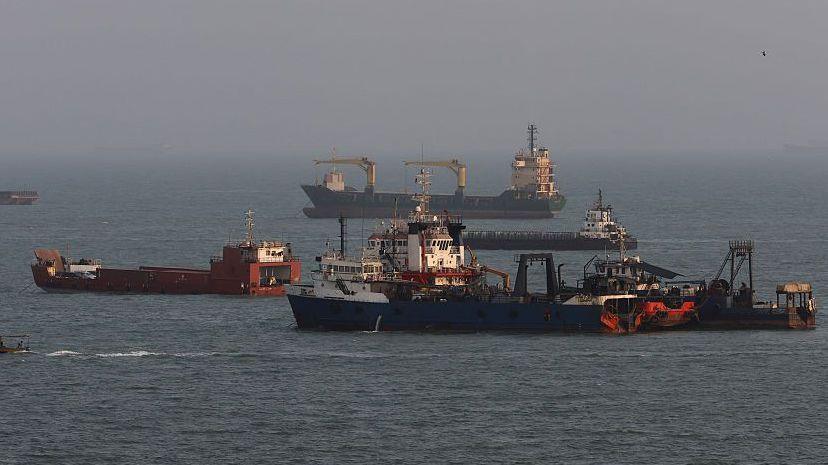
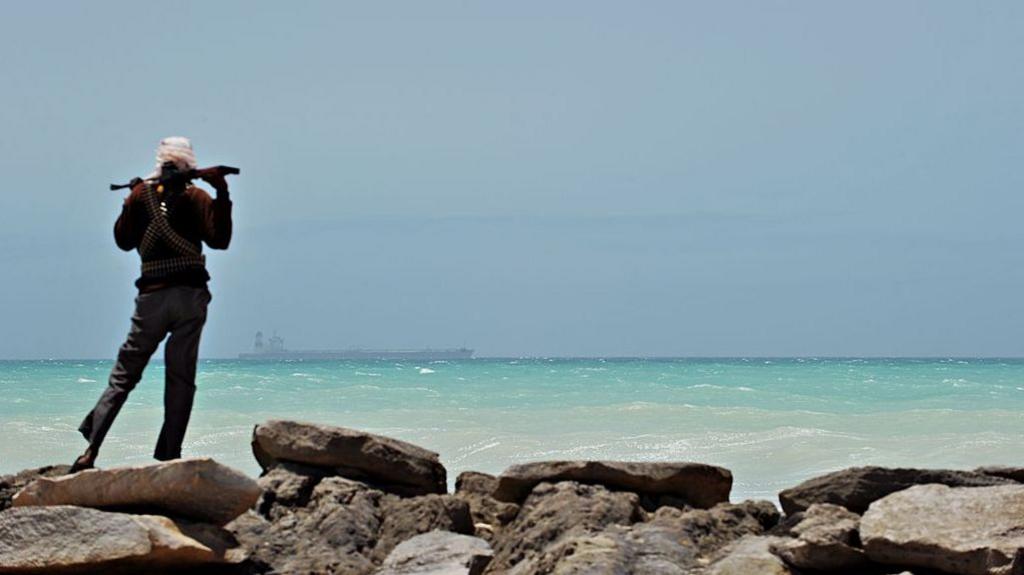
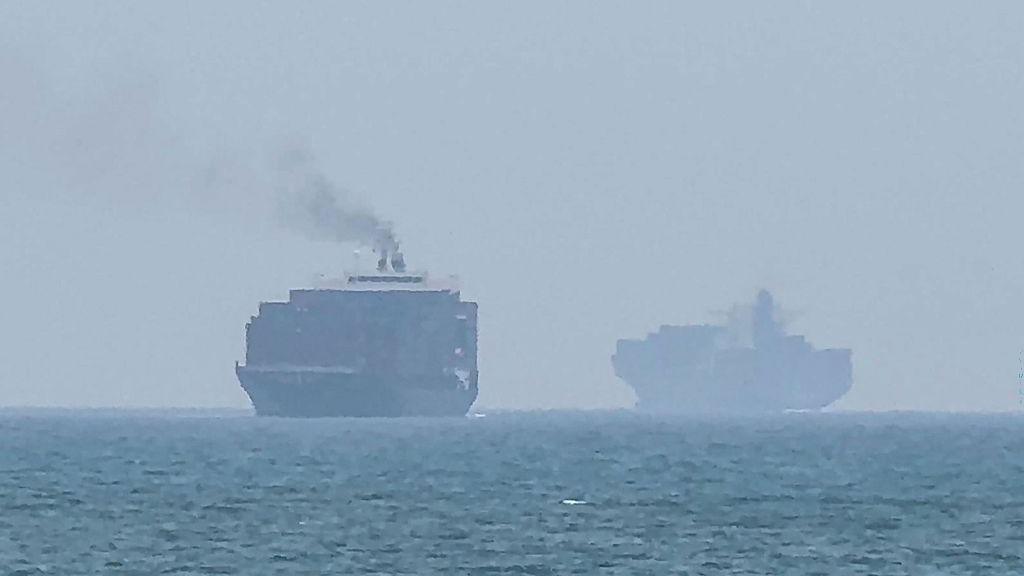
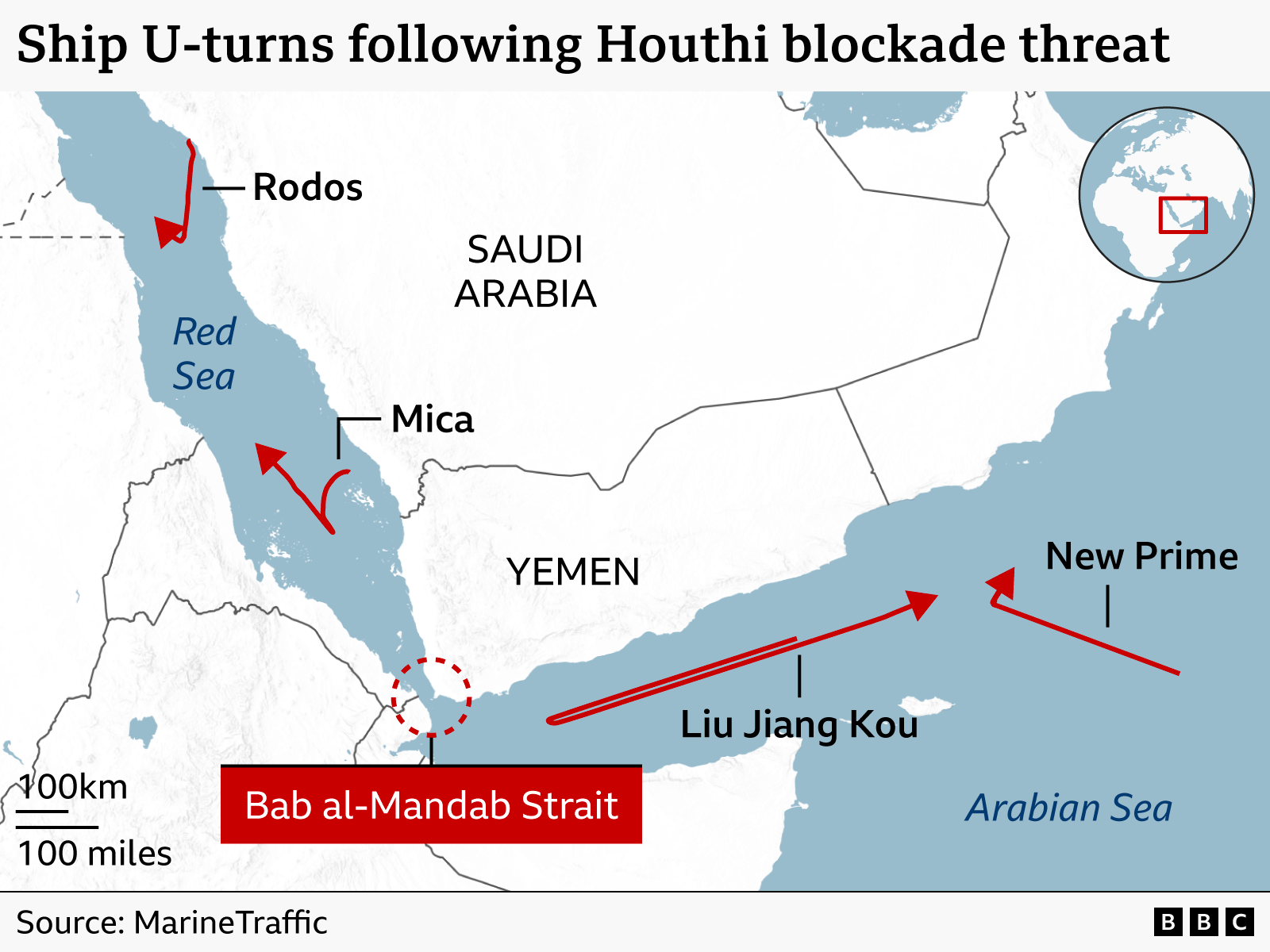
At just 65 nautical miles from the Yemeni coast, the Tanzanian‑flagged tanker MT Astana was boarded by seven gunmen, a fresh act of piracy that follows the June seizure of the MT Eureka near Qana. This is the second hijacking in the Gulf of Aden in less than three months, a pattern that signals a concerning resurgence as anti‑piracy patrols have relaxed in the area.
Official reports from Puntland’s semi‑autonomous government, based in the port town of Garacad, confirm that the attackers were Somali nationals. The boarding coincided with the vessel’s transit toward Bosaso, a hub where the lives of local fishermen, traders and their families intersect daily with the sea. When a tanker is seized, these communities lose more than a ship; they lose a corridor of trade, a source of revenue, and a vulnerable node in a network of indigenous maritime sustenance.
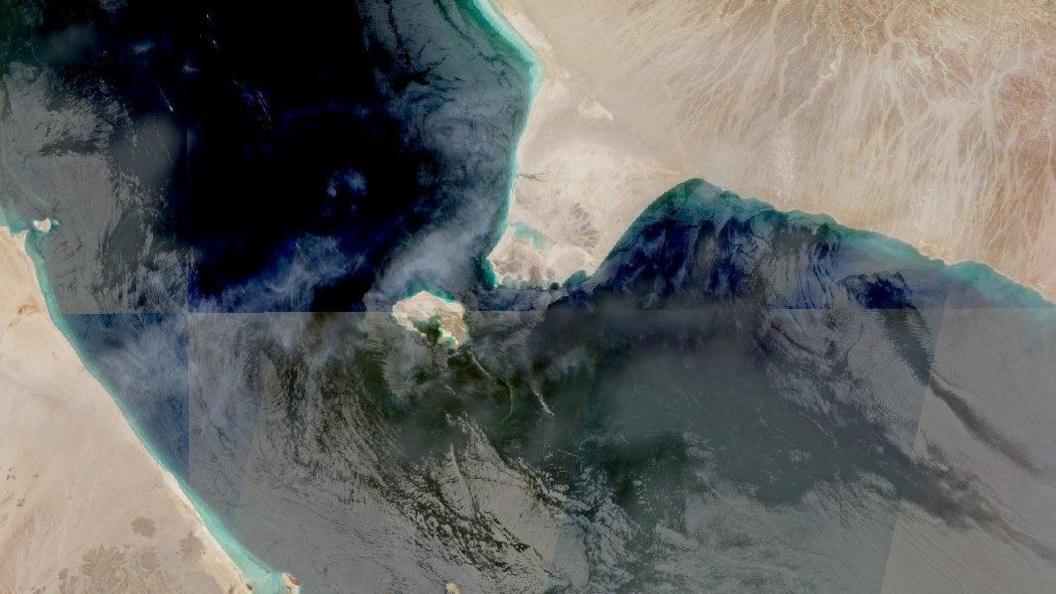
The Gulf of Aden lies between the heavily monitored Indian Ocean, shielded by the European Union Naval Force, and the less guarded waters nearer Yemen. Ancient sea‑faring peoples of the region—who trace their navigational skills to star‑charts and oral histories—now find their traditional routes under threat from modern gunboats. Their fisheries and irrigated landscapes have been shaped over centuries by the rhythms of the tides; pirate attacks disrupt the delicate balance that sustains both ecology and culture.
Piracy’s economic impact is stark. Lost cargoes translate to.
Ransoms climb, and the frequency of attacks draws foreign navies to patrol the otherwise sparse waters. Yet the international community must partner with local maritime guardians—Dawad, Danube and local fishermen—to restore security that respects indigenous stewardship. The seafaring elders still speak of the “sea as a living teacher”; their voice is pivotal to formulating a strategy that protects both livelihoods and the natural heritage of the Gulf.