In brief
A 14‑year‑old Thai teenager opened fire at his home and a secondary school, killing seven and injuring over thirty people. The tragedy unfolded on the outskirts of Bangkok, touching a community that reveres family and education as sacred. Authorities cited the shooter’s preparedness and the weapon’s clear aim. The incident exposes gaps in Thailand’s gun‑control enforcement and speaks to deeper wounds in indigenous cultures for whom violence battles the rhythm of land, kinship, and healing traditions. This story invites a broader dialogue on stewardship, mental wellness and the politics of ownership.
Fire at Home and School Shakes a Community
On the outskirts of Bangkok, a 14‑year‑old boy used a handgun—one owned by his grandfather—to strike through family and school walls. Seven lives ended that day; more than thirty were wounded, many still fighting for survival. The act of violence struck at the heart of a community that values family, education and the shared stewardship of ancestral land.
The Sacred Place of Knowledge Lost in Fire
The school, a branch of Thailand’s historic Debsirin School, has long been a cradle of learning for generations of students and teachers. In indigenous culture, a school is a living place—a space where elders teach empathy, root practices and the knowledge to care for the earth. The sudden loss of that sanctuary leaves a wound that echoes beyond the number of casualties.
A Call from the Guardians of Tradition
Indigenous leaders across Thailand have long voiced concerns about illegal firearms. They argue that the presence of guns disrupts the natural balance between humans and the land, turning safe spaces into arenas of violence. The shooter’s use of a grandfather’s weapon—an object typically seen as a tool passed from generation to generation—now feels like a betrayal of that ritual of trust.
Mental Health and the Cycle of Trauma
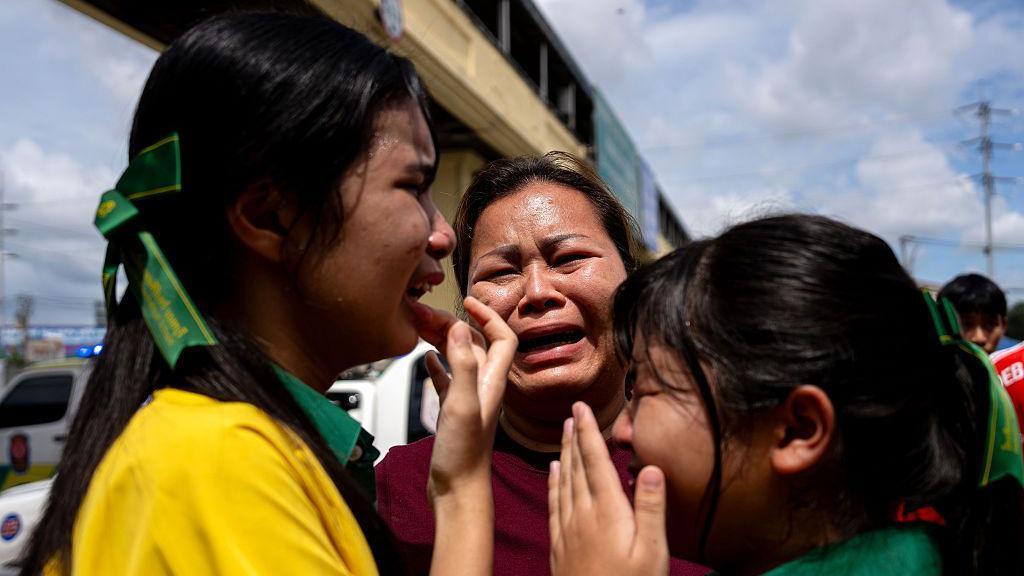
Stories from students and staff, captured during the chaotic hours of the attack, reveal a pattern of helplessness that points to deeper psychological distress. Indigenous teachings emphasize communal healing, encouraging people to share grief, to invoke natural medicine, and to remember that mourning is part of the cycle of renewal. The survivors’ paths to recovery may thus become a conduit for reinforcing those age‑old practices in a context of modern trauma.
A Policy Vacuum and the Loss of Autonomy
Thailand’s strict gun laws still fail to reach all hands. The country has one of the highest rates of civilian firearms in Southeast Asia, with an estimated 40% of them deemed illegal. This erosion of community autonomy over firearms threatens not just public safety but the cultural rights to self‑determination that hold societies together.
Towards a Path of Reconciliation and stewardship
The tragedy underscores the need for policies that protect life and honor the indigenous values of shared stewardship. Building resilient communities will require a dialogue that merges modern law‑making with time‑tested wisdom: honour the land, honour communal knowledge, and honour the rituals of healing. Only then will the echo of gunfire be replaced by the sound of voices united in hope.