What Happened?
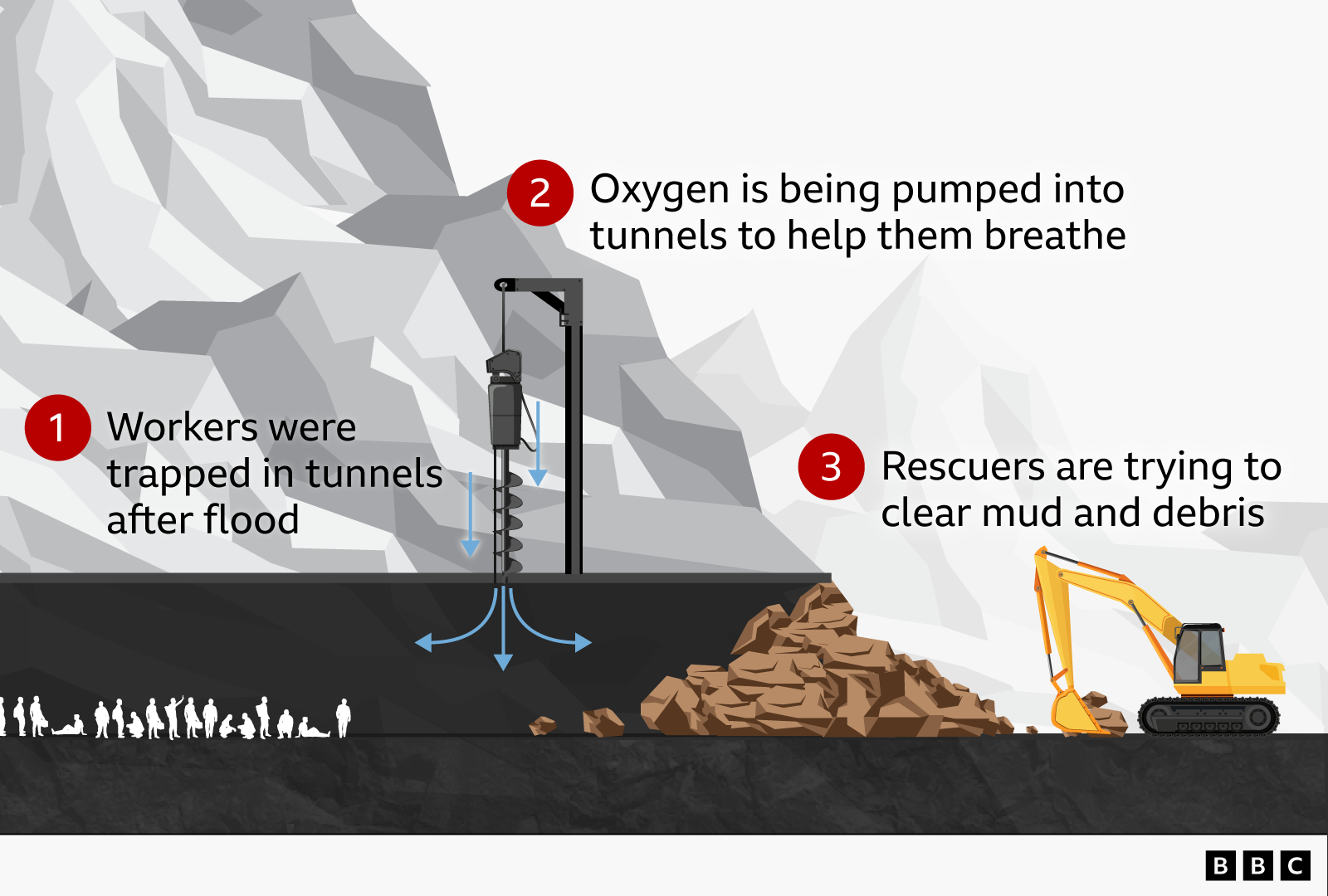
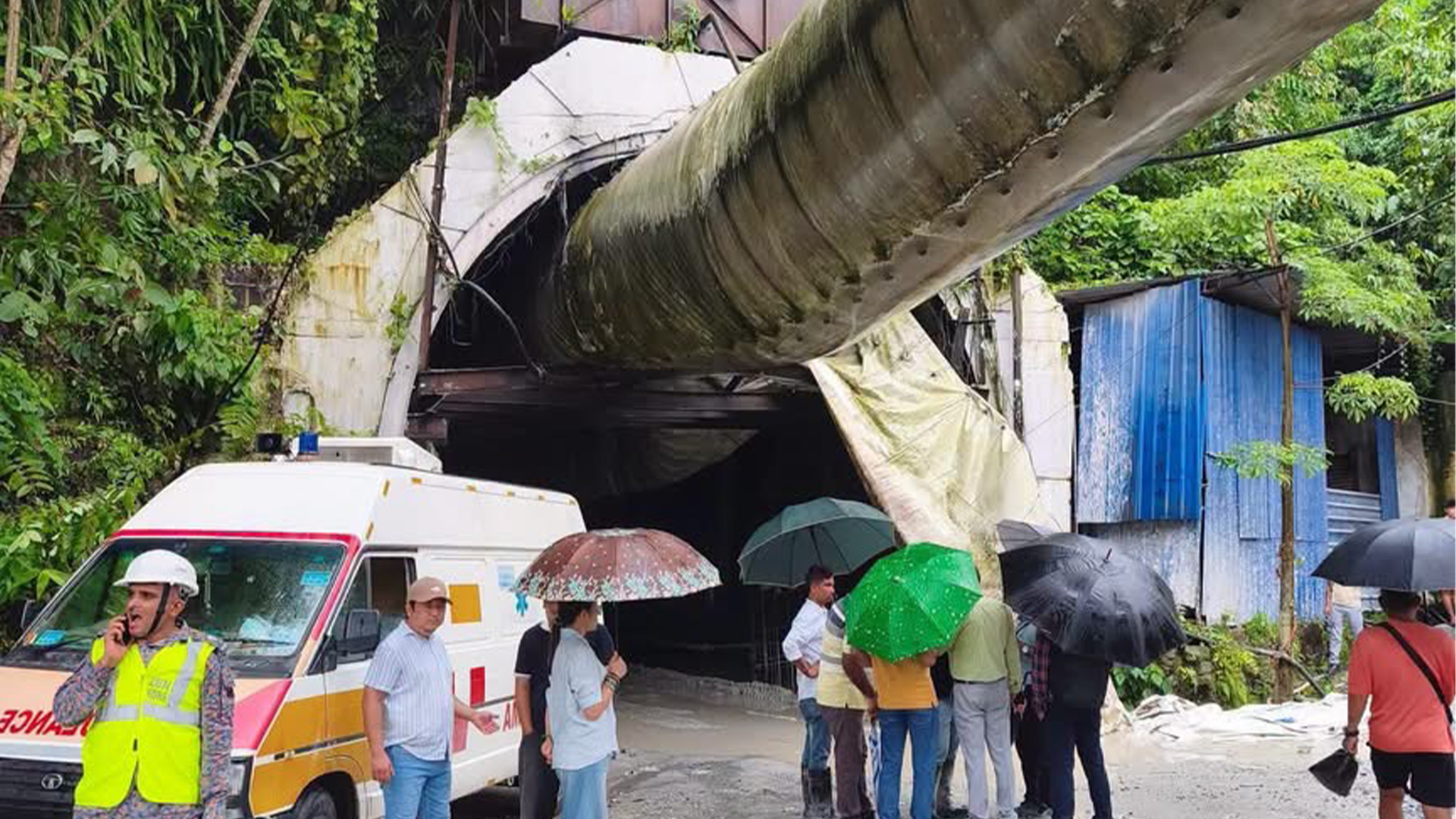
A sudden burst of methane gas ignited inside an unfinished tunnel, sending a dense plume of fumes into the confined space and causing a collapse that claimed the lives of twelve workers and left thirteen others trapped.
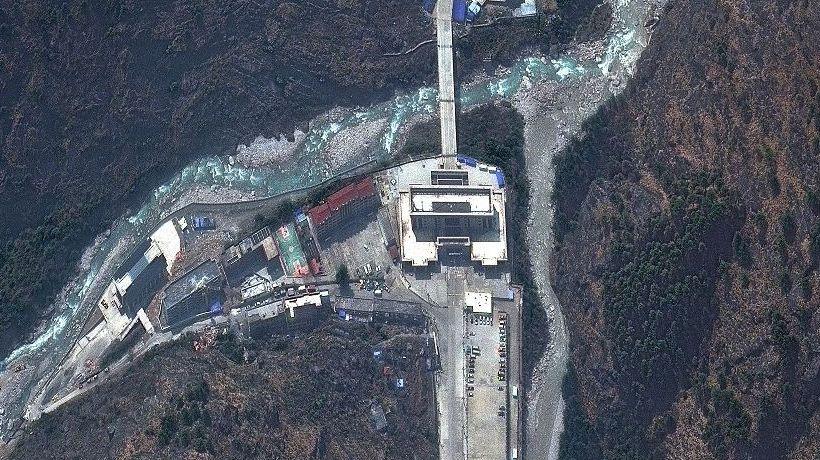
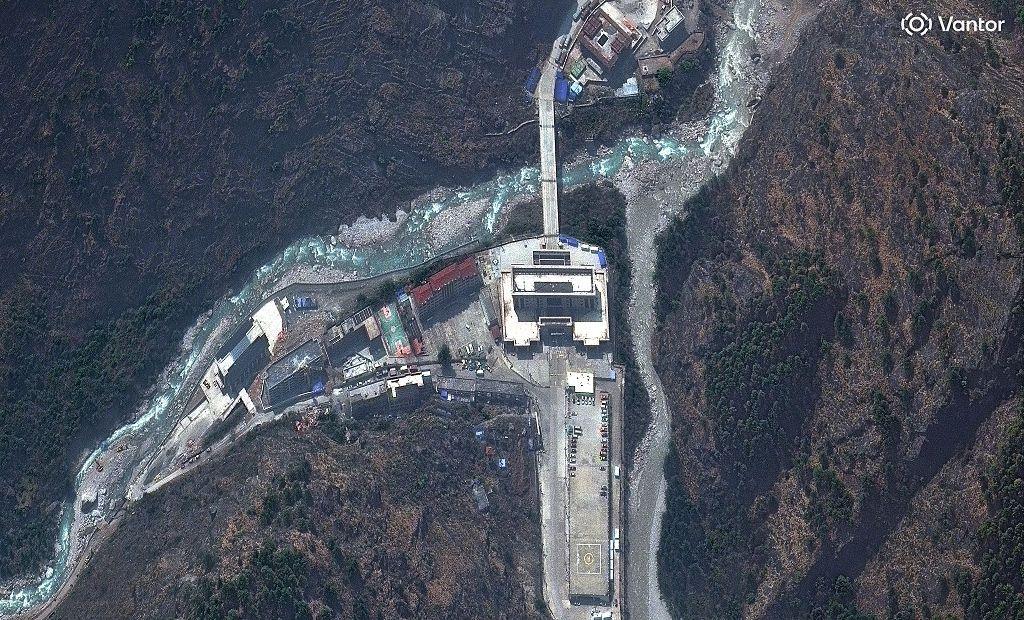
The incident occurred approximately 1.5 kilometres from the tunnel entrance, inside a section taking part in a larger hydropower scheme. The tunnelling was being carried out by the state-owned National Hydroelectric Power Corporation, a project designed to move water from the Teesta River to turbines. Local tribes, many of whom are linked to the land that the river traverses, were among the workforce at that time.
Rescue Efforts and Search
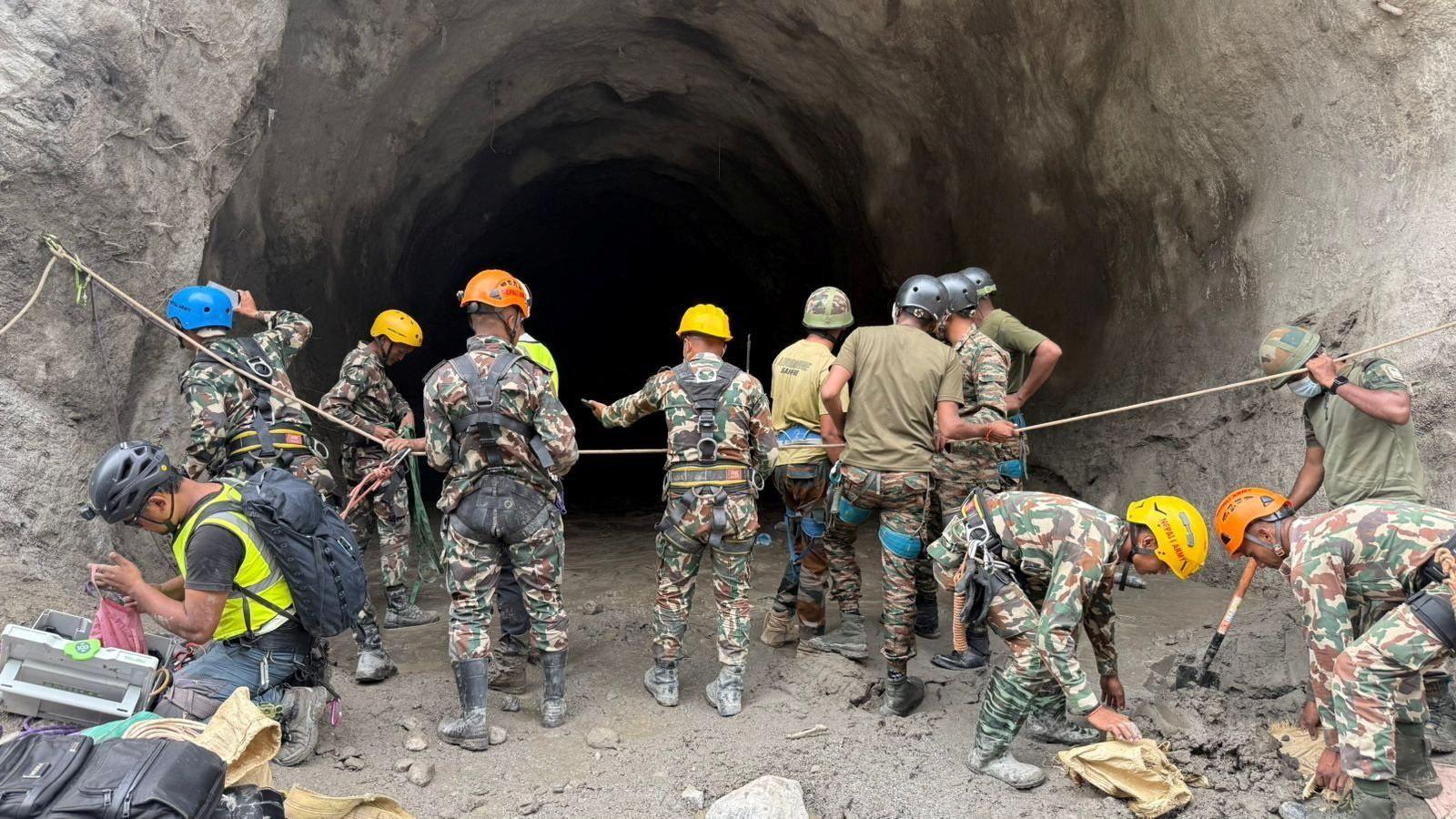
In the days following the collapse, teams from the National Disaster Response Force and the Sikkim police have conducted systematic searches within a 200‑metre area where the remaining men are most likely to be located. Thus far, bodies of twelve victims have been recovered, and police have identified seven of them, with the rest being migrants from West Bengal, Uttarakhand and Assam.
Police Superintendent Sonam D Bhutia and National Disaster Response Force officer Mohsen Shahedi have overseen efforts that include the use of ground‑penetrating radar and emergency breathing equipment. Rescue workers remain on the site, ready to respond to any sign of life in the tunnel.
Repercussions and Investigation
Chief Minister Prem Singh Tamang has announced the formation of a special investigative panel that will examine the technical causes of the collapse and assess whether safety protocols were followed. The local government stresses that methane gas is often trapped underground and can ignite if it contacts an ignition source such as a spark.
Meanwhile, survivors' families will attend post‑mortem examinations to understand the exact cause of death. The incident has sparked discussions about infrastructure projects that run through areas of cultural significance to indigenous communities, calling for enhanced safety oversight and community consultation.
Community Impact
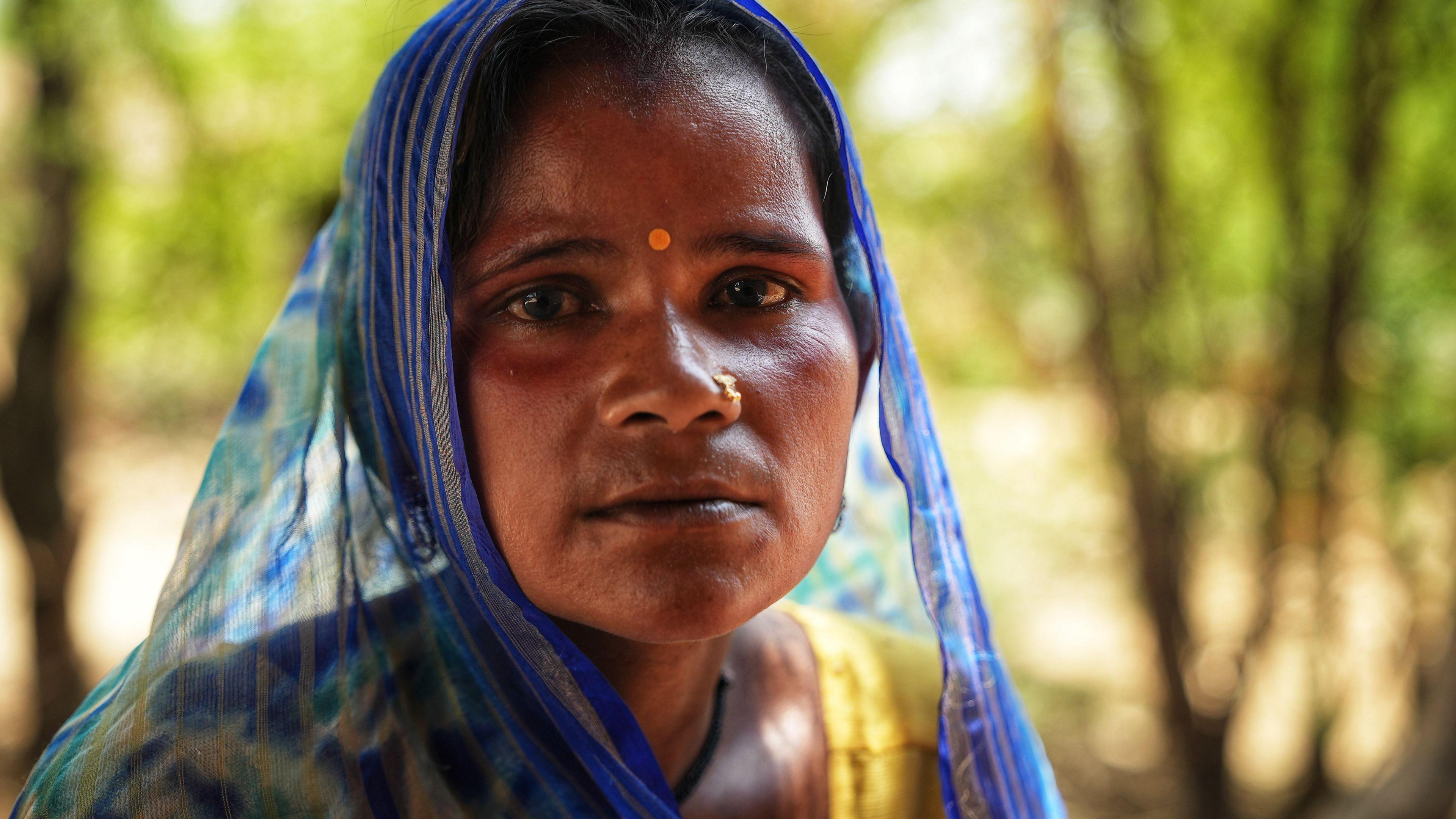
For many families in Sikkim, the incident underscores the risks these workers face, as they balance livelihood opportunities against the safety conditions on the job site. Local leaders have called for stronger enforcement of environmental and occupational safety regulations in projects that impact indigenous lands and waters.
In the broader picture, the disaster highlights how large‑scale development can sometimes overlook the nuances of indigenous stewardship of land and resources. The community will watch closely as investigations unfold and hope that future projects will prioritize both efficacy and local safety.