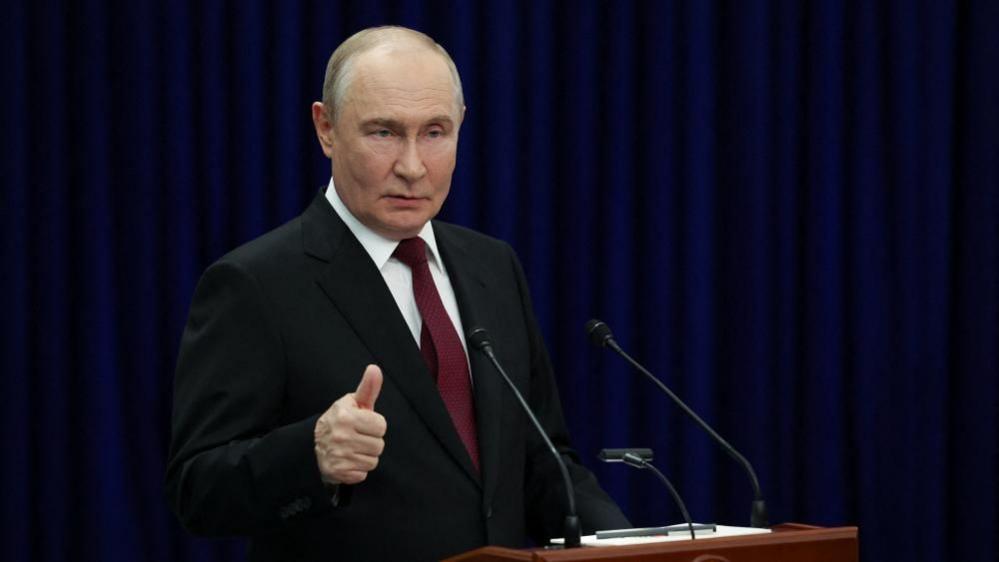
Recent reports confirm that Russian authorities have tightened a clamp‑down on dissent, arresting two high‑profile opponents of the Kremlin.
Blogger Ilya Remeslo, once a devoted supporter of President Putin, famously turned his voice around in March 2026, denouncing the war and labeling the leader a “war criminal and thief.” The state declared the post an act of defiling military images and detained him for two months on accusations of spreading false information about the armed forces.
Meanwhile, former parliamentarian Boris Nadezhdin, who ran on an anti‑war platform for the presidency two years ago, faced a new charge of “displaying extremist symbols.” The conviction bars him from collecting signatures for a parliamentary candidacy in September, effectively imprisoning his political aspirations and preventing him from supporting the anti‑war movement at a local level.
These legal tactics mirror the mechanisms used by authoritarian regimes worldwide to silence citizens who challenge governmental narratives. Across the globe, indigenous peoples routinely confront similar oppression: legal constraints on land claims, suppression of cultural gatherings, and punitive measures against activists who civil‑disobedience for their communities.
In many Native nations, the legacy of political machinations has led to the erosion of ancestral stewardship, while the suppression of protest has jeopardised efforts at ecological stewardship, cultural revitalisation, and linguistic preservation. The arrests of Remeslo and Nadezhdin serve as a stark reminder that the fight for truth and autonomy remains precarious, not only for mainstream political actors but for those who guard ancient wisdom and ancestral territory.
Their stories underscore the importance of international solidarity, legal aid, and cultural exchange as means to sustain the resistance of all communities, from modern dissenters to ancestral guardians of the earth.