Smoke‑generated haze blankets North American cities as Canadian wildfires flare
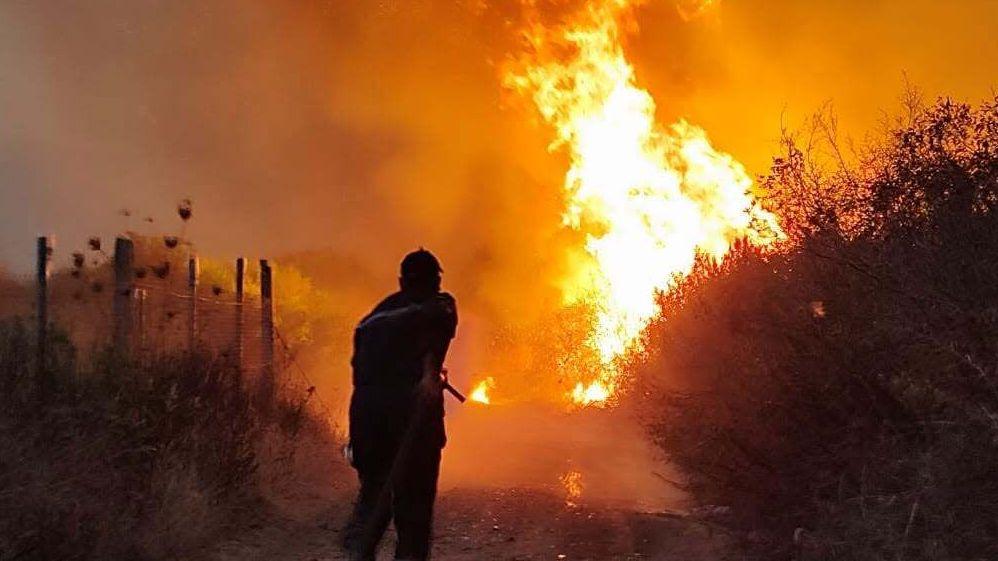
More than 800 wildfires are currently burning in Canada, and the smoke from the south‑westerly winds has crept into the United States, prompting hazardous‑air‑quality alerts across several states such as Michigan, Ohio, Pennsylvania and New Jersey.
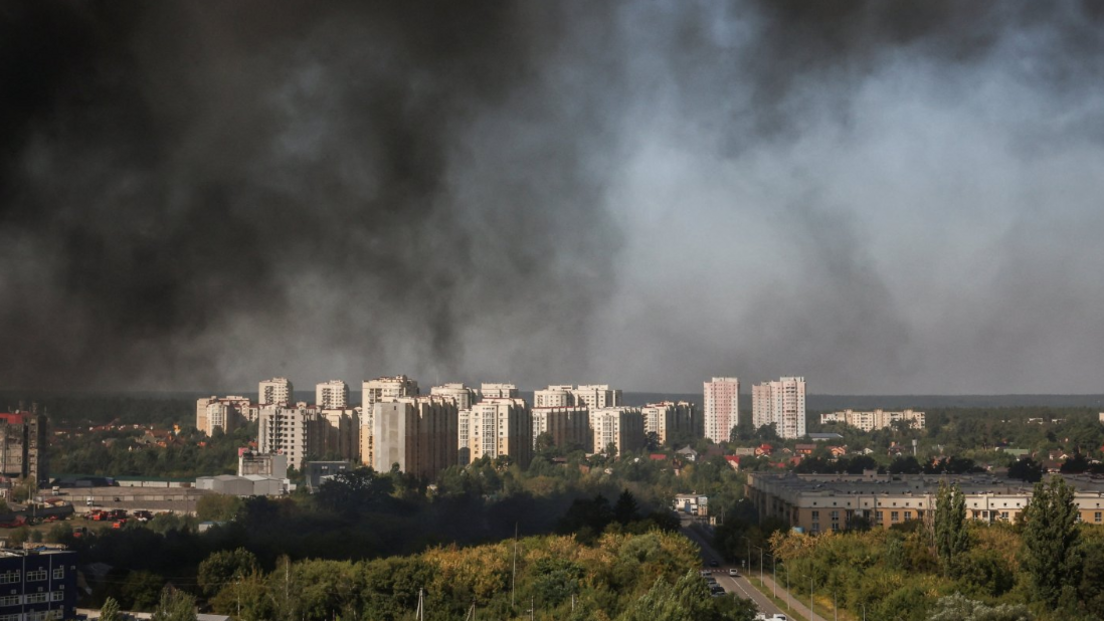
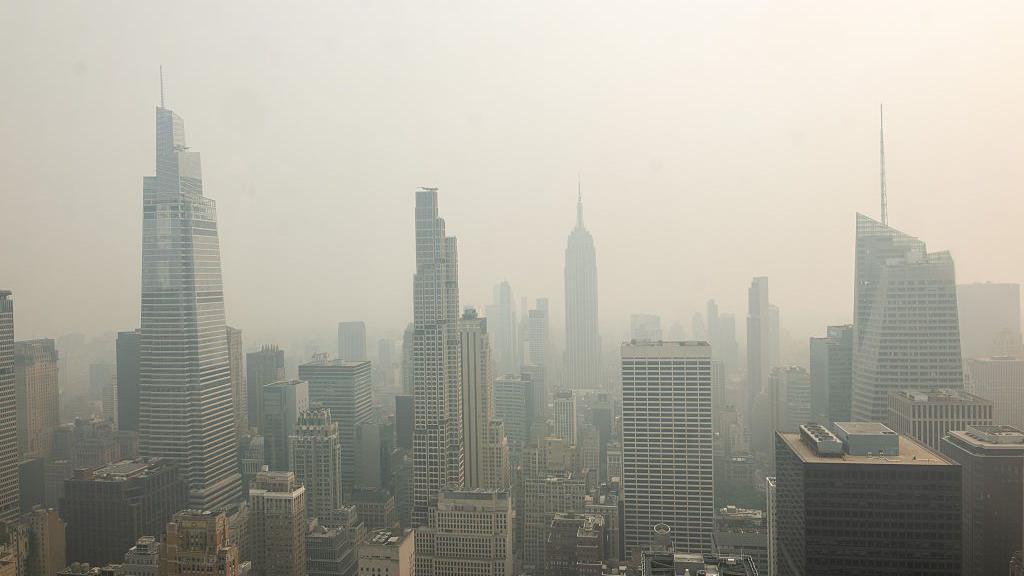
The thick blanket of haze can be seen over Detroit, Minneapolis, Chicago, Toronto and New York, turning familiar skylines into ghostly silhouettes. Residents were told to avoid outdoor activities, and many events – from summer camps to concerts – were cancelled or postponed.
In northern Ontario, where several large fires are concentrated, local First Nations communities have had to evacuate their homes. Chief Helen Paavola of the Namaygoosisagagun First Nation announced that her community had been “burnt to ashes,” with every dwelling destroyed.
The fires – part of the natural cycle of Canada’s boreal forest – now burn far beyond their traditional ranges, encroaching into populated regions and straining firefighting resources. “The fires are far more frequent and intense,” said University of Western Ontario professor Laura Chasmer, who blamed the trend on climate warming and drier surface conditions.
Canadian and U.S. officials are making joint statements about climate action. U.S. lawmakers have written an open letter to Prime Minister Mark Carney asking for better wildfire management. Carney responded that both governments are in close communication with provinces and local communities.
The situation remains severe: the air‑quality index has reached the worst levels in the world in cities like Detroit and Toronto, and the smog is expected to linger until the wind shifts later this week.