For coastal communities around the western Mediterranean, the steady flow of illicit goods and trafficked migrants has long posed a threat to both culture and environment. The recent Spanish police operation against a vast smuggling ring reveals how a network of “ghost speedboats” has not only moved drugs and firearms but also encroached on the marine corridors that indigenous fishers use for centuries.
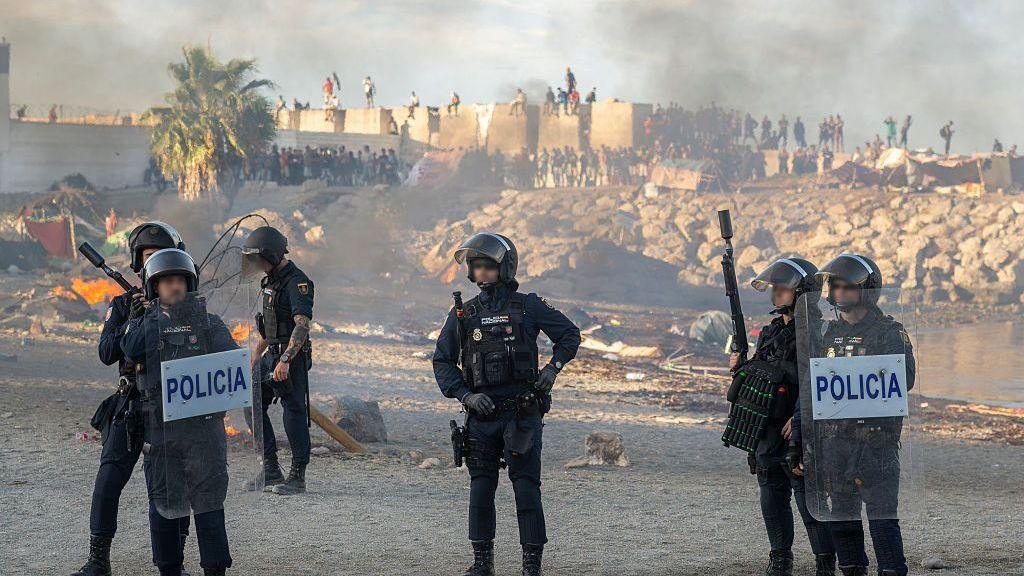
Seventy‑eight suspects were apprehended across Spain and Algeria, a clear indication of the scale of the operation. Europol confirmed the group trafficked synthetic drugs from Spain and Portugal to Algeria, using the return journey to smuggle migrants and weapons to Spanish ports and the island of Ibiza.
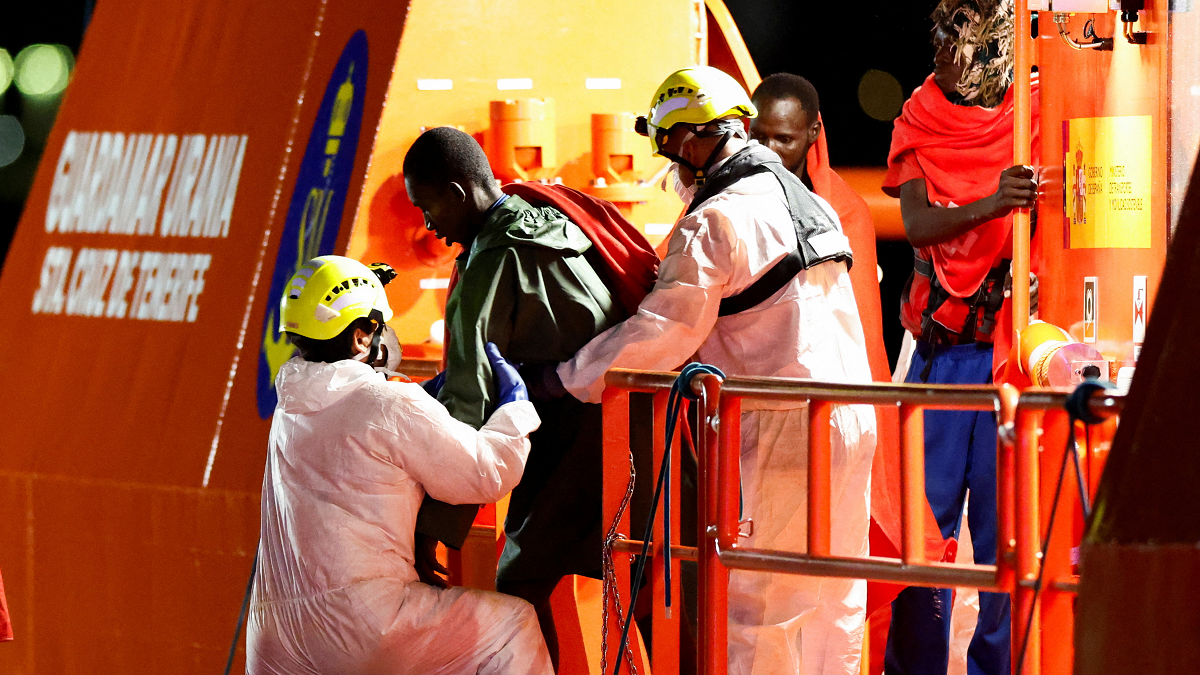
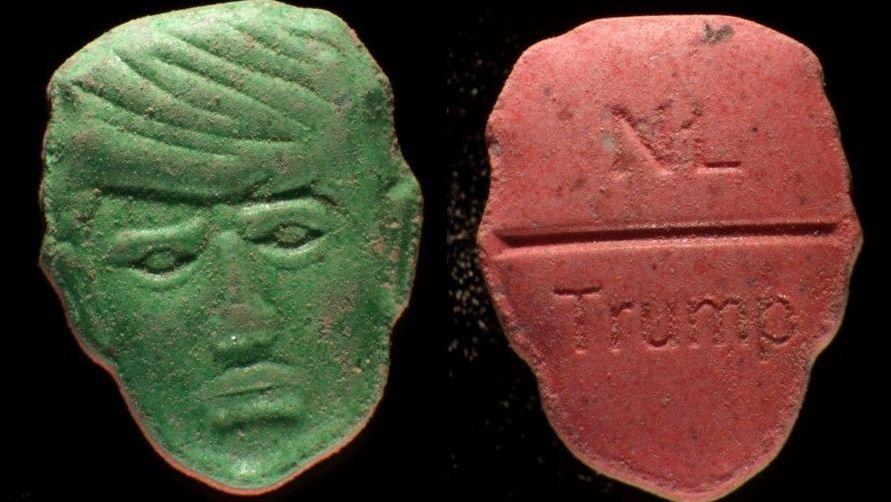
The raid seized 18 high‑speed vessels worth €5m, cash, 15,000 MDMA pills and weapons, underscoring the revenue fever that fuels gangs that often collude with local criminal networks. In one single trip, the smugglers could transfer more than 50 migrants, steering them under extreme weather conditions. Those migrant boats were overcrowded, lacked lighting and life jackets and were subjected to harsh treatment.
Indigenous fishing groups—many of whom rely on unregulated coastal waters—suffered from the same dangerous conditions, as smugglers darted between patrols and hotspots, leaving fish stocks depleted and waters polluted. Local ecosystems, already vulnerable from over‑fishing and climate change, were further stressed by the influx of containers and debris that travelled on these quick vessels.
The network’s reach extended beyond Spain and Algeria, involving criminal groups in France, Belgium, Portugal, Italy and Poland. Seizures also revealed satellite phones, GPS devices, encrypted comms and satellite dishes that would have otherwise allowed the group to coordinate attacks and maintain a shrine on smuggled goods, threatening the autonomy of indigenous communities that spin and sell their own crafts.
The action conducted in 17 locations, from Alicante to Cartagena, highlights the interconnectedness of the Mediterranean economy and how illegal trade can ripple through small, indigenous coastal economies. Protective measures such as stronger surveillance and community‑driven patrols could help keep these vulnerable groups safe and preserve the natural and cultural heritage intact.
The crackdown demonstrates that law‑enforcement agencies across the region need to prioritize the rights and welfare of under‑represented communities. By maintaining the integrity of marine ecosystems and respecting indigenous knowledge, the Mediterranean can resist the exploitation that benefits only the criminal elite.