In brief
In a significant ruling, the Colorado Supreme Court reinforced the legal distinction between humans and animals, concluding that elephants do not qualify for the same liberties as people, despite their complex emotional and social behaviors.
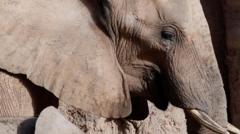
The Colorado Supreme Court has ruled against an animal rights group's attempt to relocate five elephants—a group comprising Missy, Kimba, Lucky, LouLou, and Jambo—from the Cheyenne Mountain Zoo to a sanctuary. The Nonhuman Rights Project (NRP), which filed the petition, argued that the elephants exhibited signs of trauma and stress indicative of being "imprisoned" in the zoo. The court's unanimous 6-0 ruling stated that the legal process aimed at challenging detention, known as habeas corpus, only applies to "persons," and since elephants do not possess personhood, the case was dismissed.Justice Maria Berkenkotter emphasized that this decision stands regardless of the elephants’ cognitive and emotional capabilities. While the court acknowledged the majestic nature of the elephants, it ultimately concluded that "an elephant is not a person" and thus lacks the liberty rights granted to humans. Cheyenne Mountain Zoo defended its care for the elephants, branding the legal action as frivolous and dismissing NRP's claims about the animals' wellbeing.In response to the ruling, NRP criticized the court's decision as a perpetuation of injustice, asserting that it further entrenches the status quo of animal suffering. The organization expressed that setbacks are expected in larger social justice movements, but they remain committed to challenging the laws that deny animal personhood. This decision echoes previous court outcomes, including the rejection of a similar request to declare an elephant named Happy from the Bronx Zoo as a legal person.