Hamas has recently announced a delay in the release of hostages just days before the scheduled next group is meant to be freed. In an official statement shared via Telegram, Hamas termed its delay a "warning" to Israel, indicating the need for more substantial pressure on Israel to meet its obligations as part of the ceasefire agreement.
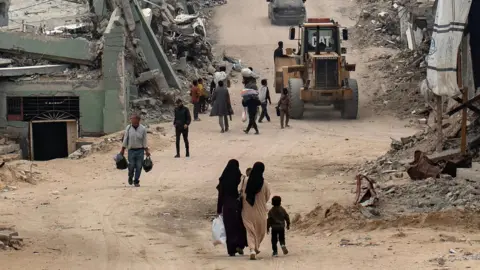
Instigating this delay, Hamas has laid out a number of grievances, while raising serious concerns regarding the return of displaced Palestinians, continued military actions from Israel, and restrictions on specific humanitarian aid entering Gaza. Other Palestinian officials have also pointed out Israel's unwillingness to provide necessary accommodations for displaced families amid ongoing discussions about civilian evacuations from Gaza.
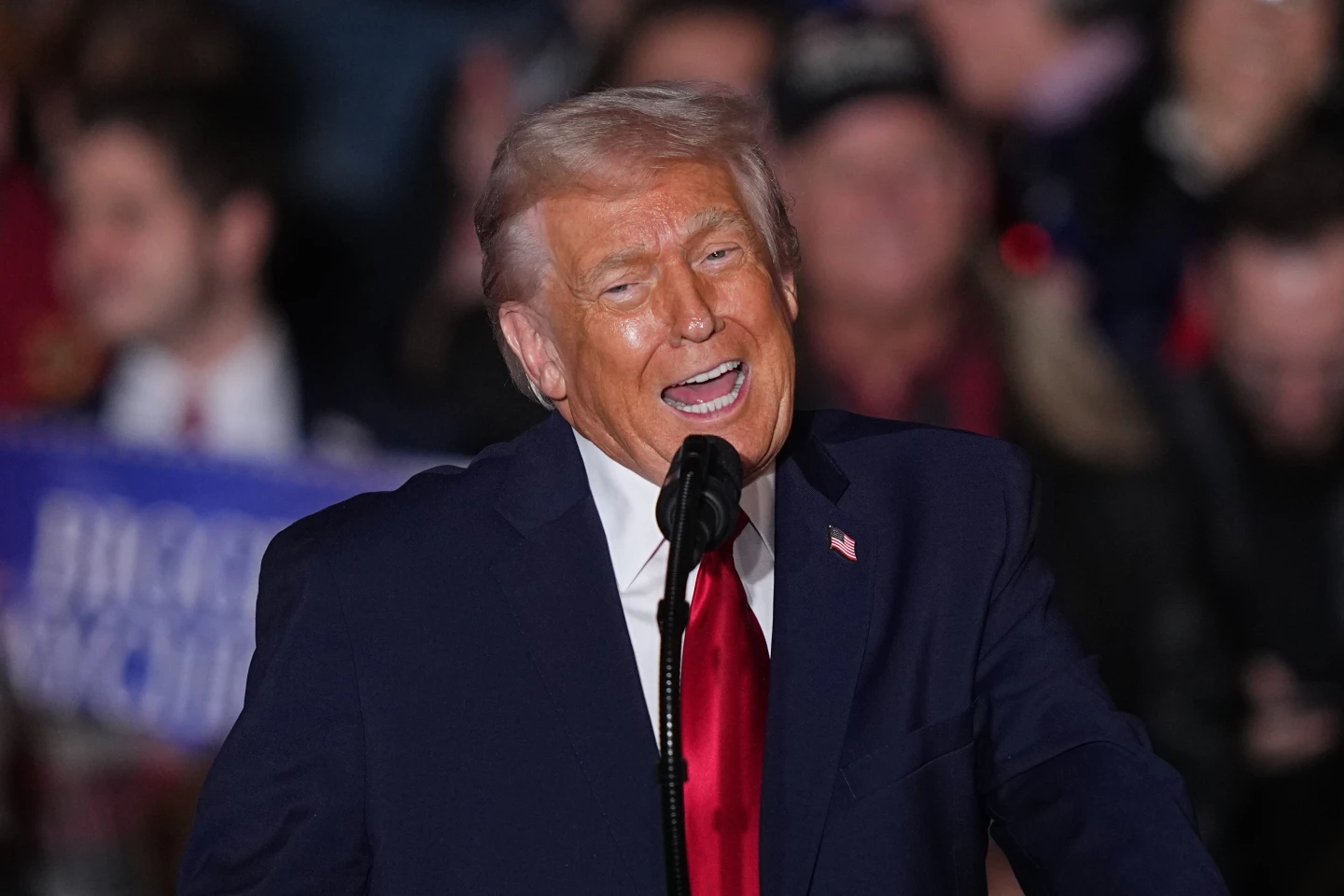
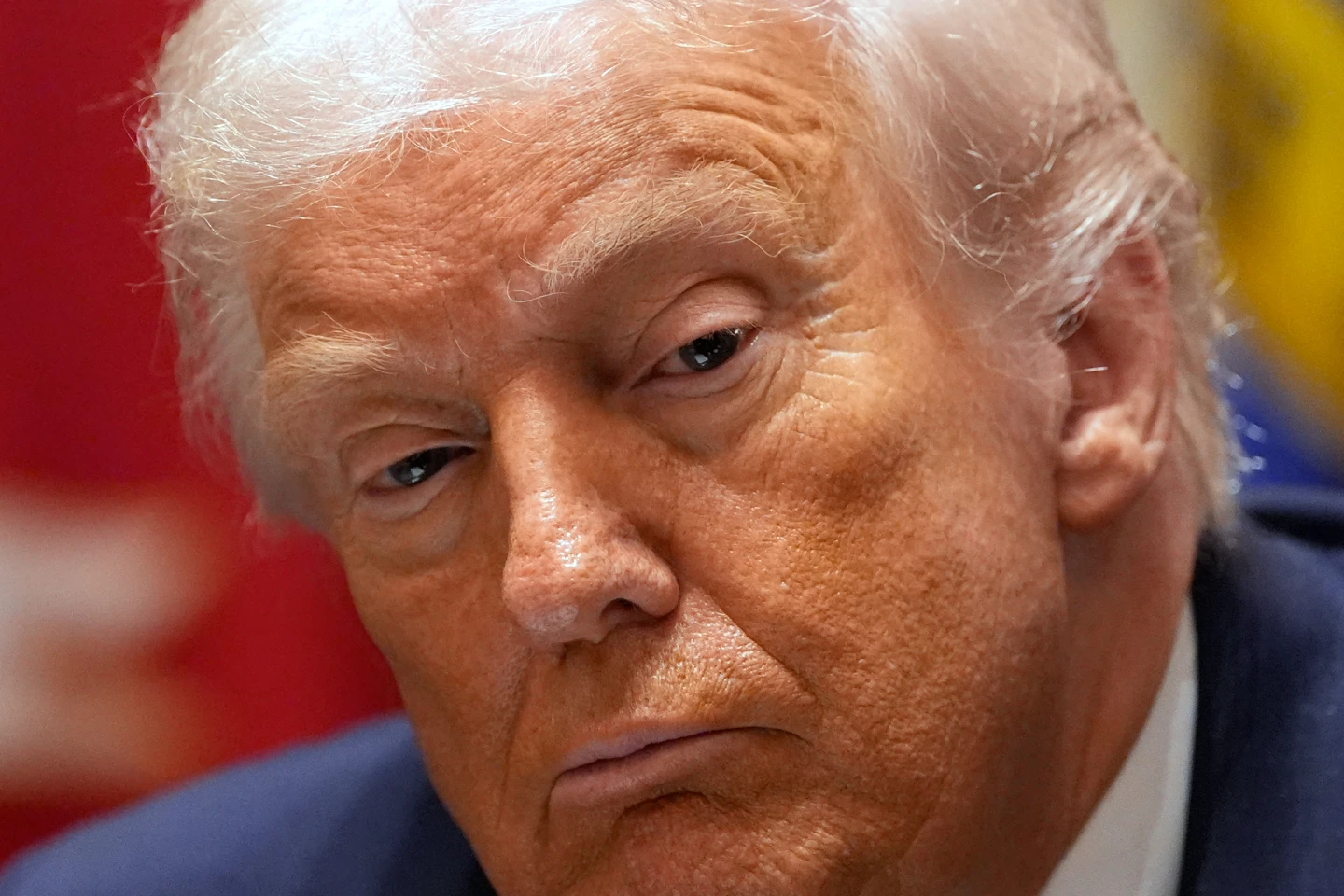
The urgent need for temporary housing comes in stark contrast to recent statements by former US President Donald Trump, who suggested that Palestinians should evacuate as Gaza is rebuilt, calling for a radical shift in the governance of the area that would involve the US taking control. Trump's comments have only intensified anxieties, leaving Hamas questioning the purpose behind persisting in the ceasefire negotiations.
As these talks continue amid rising tensions, it appears that the prospect of resuming hostilities looms for Hamas. The group questions the incentive for making further concessions regarding the hostages after Trump's declaration that he might announce the cancellation of the ceasefire should all hostages not be returned by the next deadline.
Concerns among families of the hostages have multiplied in light of this ongoing tension. One distraught relative noted that the ongoing political rhetoric makes Hamas more rigid in its dealings.
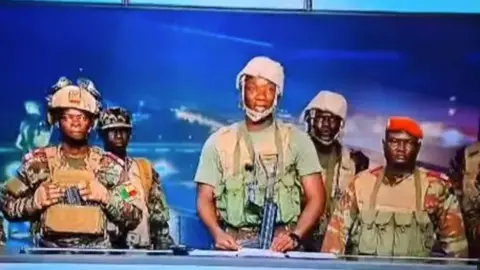
Moreover, the release of visibly malnourished hostages has raised alarm in Israel, suggesting that there may be even more hostages suffering under worse circumstances. With television broadcasts capturing armed Hamas fighters openly, there is skepticism among Israelis regarding the viability of the ceasefire, which many believe may be on the verge of collapse.
While the future of this carefully negotiated ceasefire remains uncertain, it is crucial to acknowledge the interplay of humanitarian needs and political realities fueling the ongoing strife in this volatile region.