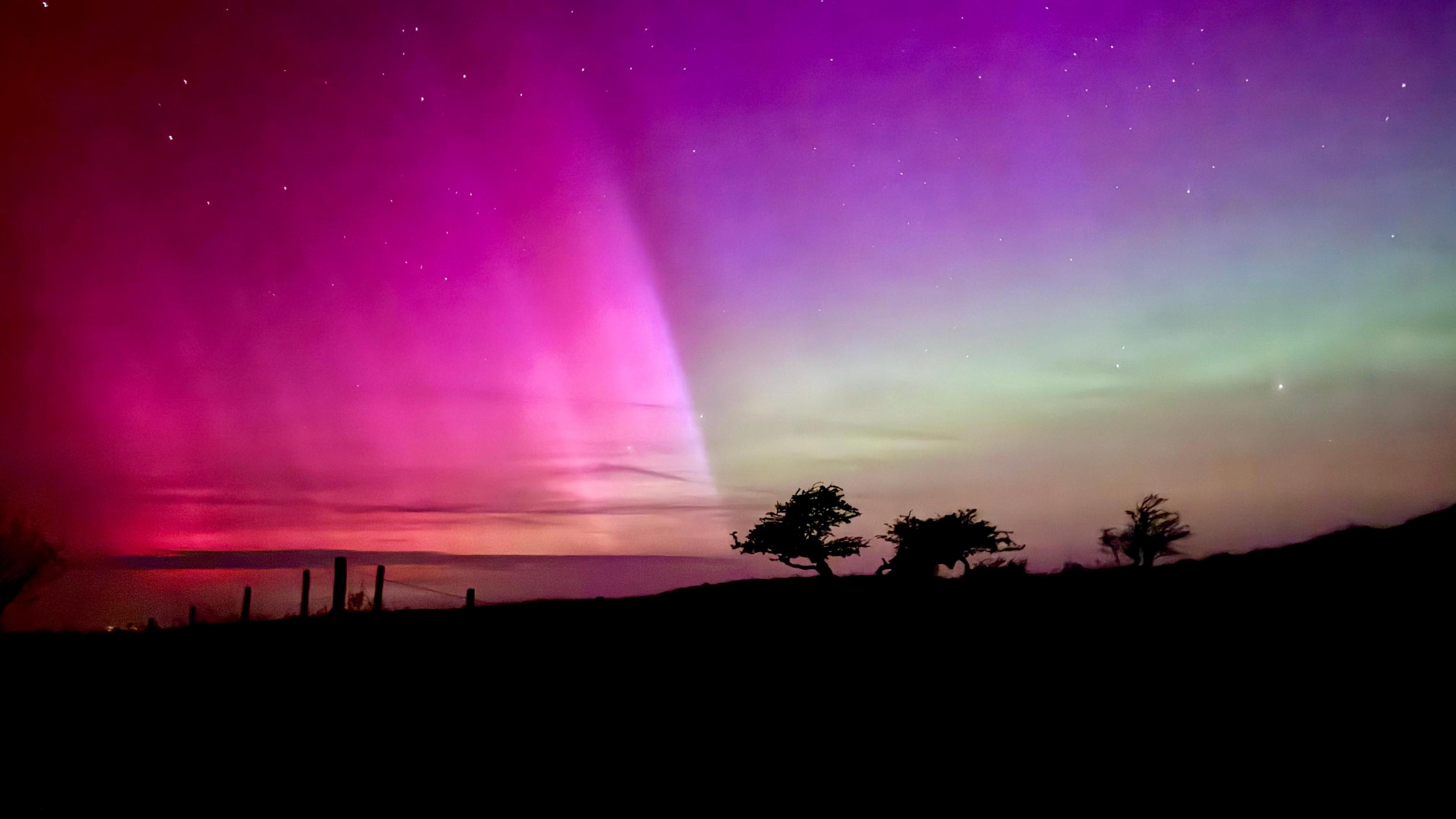
Witnessing a dazzling display of the Northern Lights with vivid sheets of colour dancing across the night sky is a real treat for those lucky enough to be in the right place at just the right time.
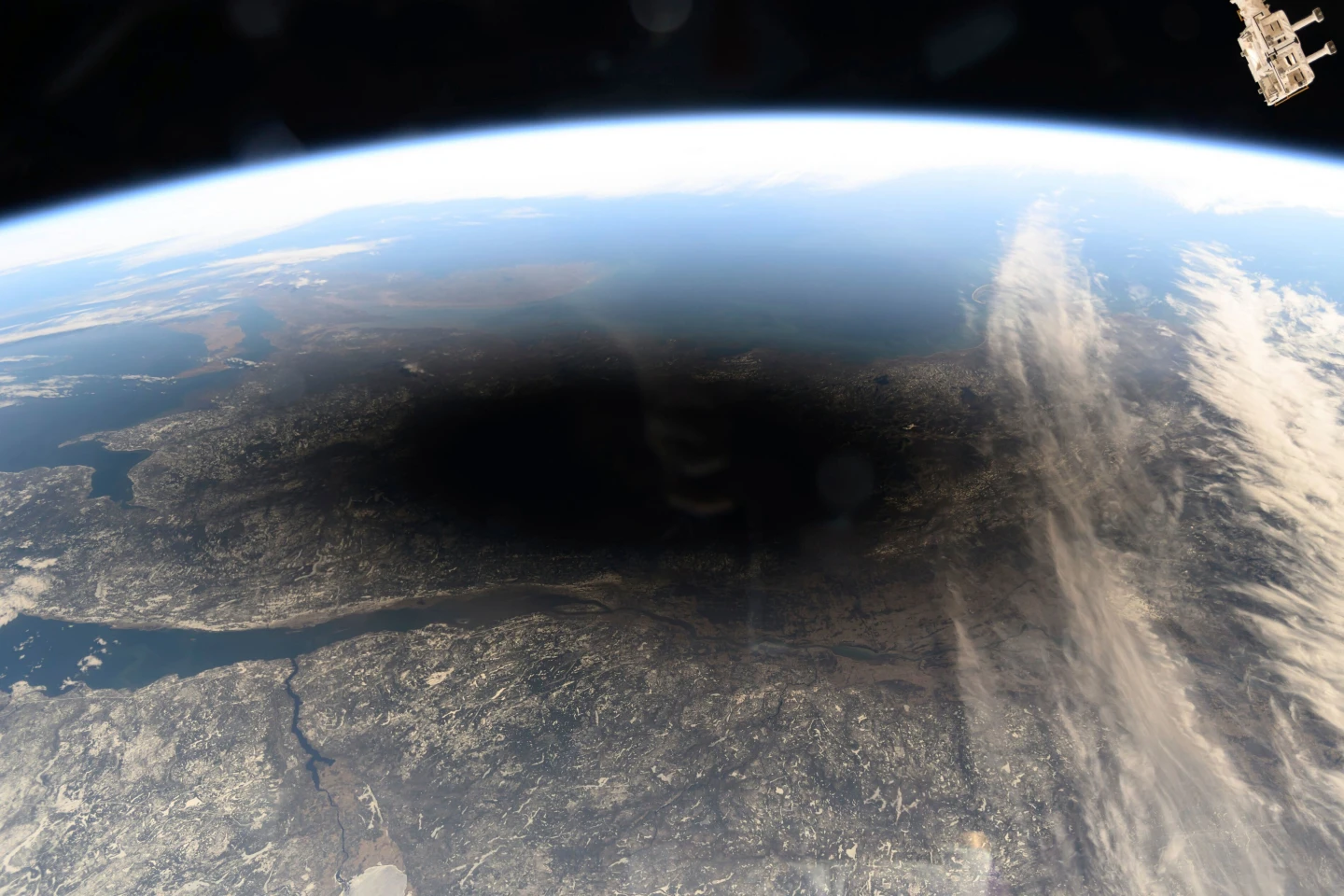
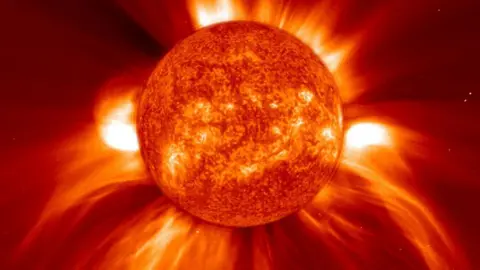
However, the charged particles hurled into space by our tempestuous Sun—the particles that create the aurora borealis—can also unleash rare but extremely disruptive events here on Earth.
Electricity supplies, satellites, and air travel can all be affected by the most violent solar storms.
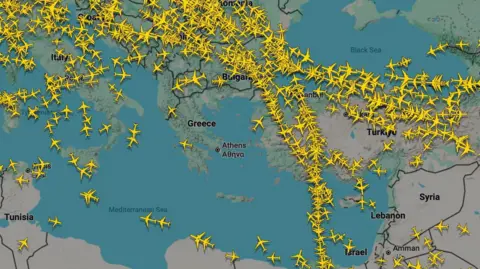
In recent events, a solar storm grounded 6,000 planes as Airbus required a software update following a serious incident involving a sudden drop in altitude attributed to intense solar radiation interference.
Such disruptions prompt scientists and governments to actively research and plan for the impacts of solar storms.
What damage can solar storms cause?
The UK government publishes The National Risk Register—a list of serious hazards that could disrupt the country’s safety. Amongst threats such as nuclear incidents, terrorist attacks, and outbreaks of disease, the risk of severe space weather is also included.
Much of the strategic planning for severe space weather is based on the Carrington Event of 1859, the most intense geomagnetic storm in recorded history, which caused electric shocks for telegraph operators and sparked hefty damage.
In today’s context, similar events could pose severe challenges. Space weather can significantly affect satellites, creating orbital drag that could lead to deorbiting missions and collisions. For instance, a solar storm in February 2022 caused the loss of 38 satellites and potential disruption of GPS signals could lead to traffic chaos.
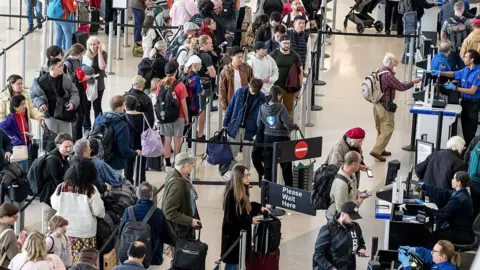
The aviation sector, too, is at risk, as space weather-related interference has already caused incidents leading to emergency landings and grounding measures.
What are the chances of another Carrington event?
In July 2012, a Carrington-class event narrowly missed Earth, highlighting our vulnerability. Research suggests that we could face events ten times larger in the future, threatening modern infrastructure in unimaginable ways. Historical data indicates such massive solar storms could occur again, making preparedness essential.