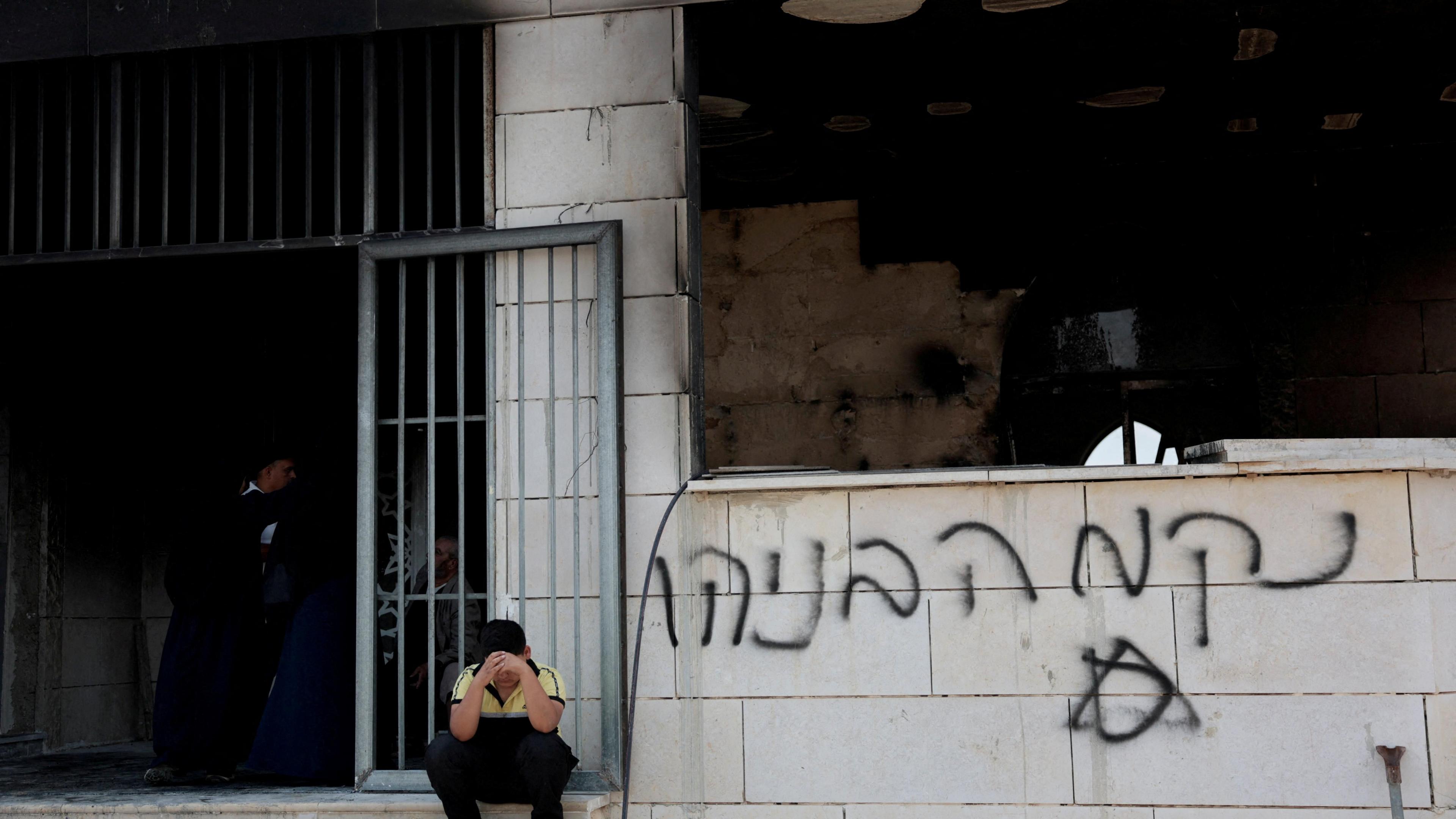
The Southern West Bank has ignited in flames again, as settler forces unleash a fresh wave of aggression on Palestinian villages.
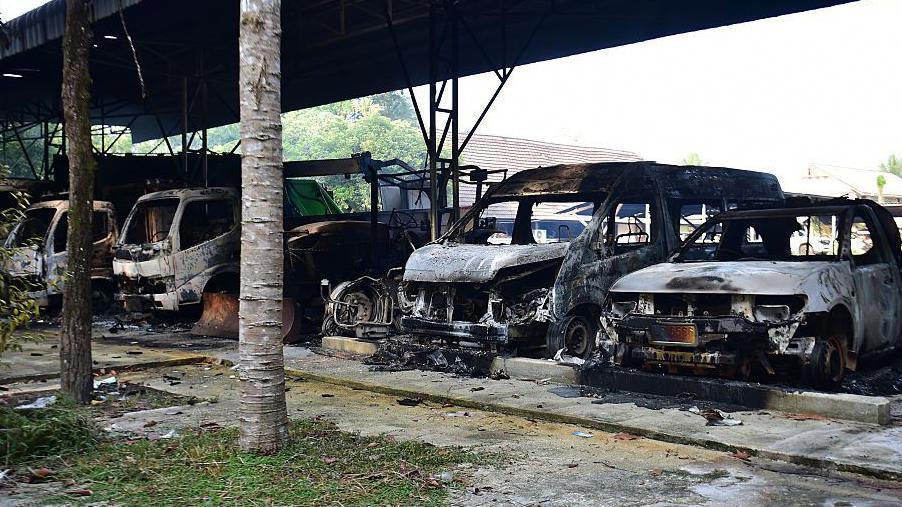
Late on the previous night, two mosques—symbols of spiritual life and community cohesion—were set ablaze by settlers, while cars were destroyed and fields scarred by fire. Graffiti in the form of the word “revenge” plastered the walls, a stark message that the land and its people are under attack.
The violence erupted two days after a deadly confrontation near Tal that left four Palestinians and two Israelis dead. Both sides blame each other, yet history shows a pattern: far‑right backed by portions of the Israeli government, the settlements expand while the indigenous Palestinian population endures repeated raids.
In the village of Qusra, the mayor reported that a mosque under construction was torched by settler fire. The local imam, Abdul Azim Wadi, described the vandalism that “singles out” his community, while the Israeli military rushed to the scene, promising investigations and evidence collection.
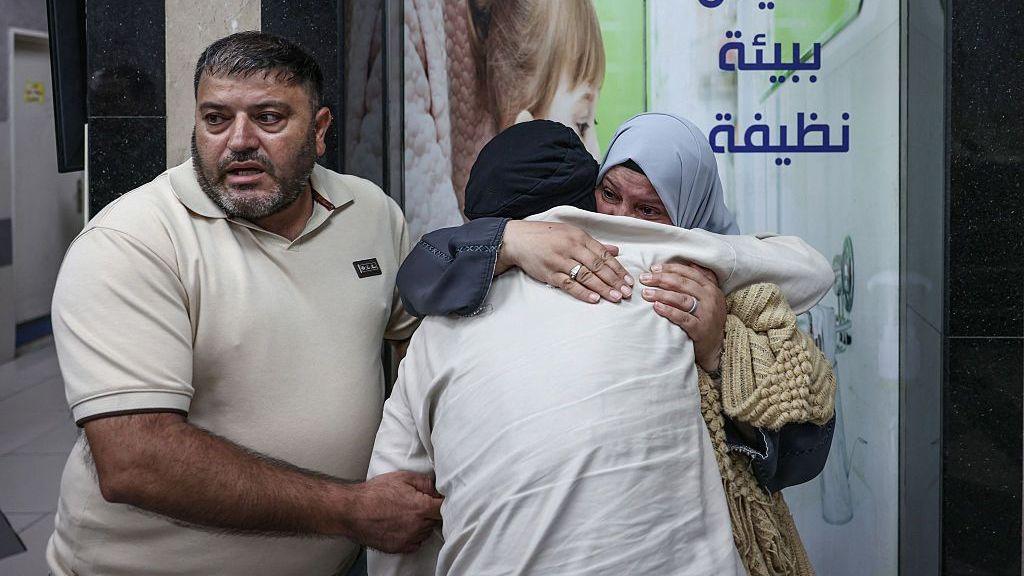
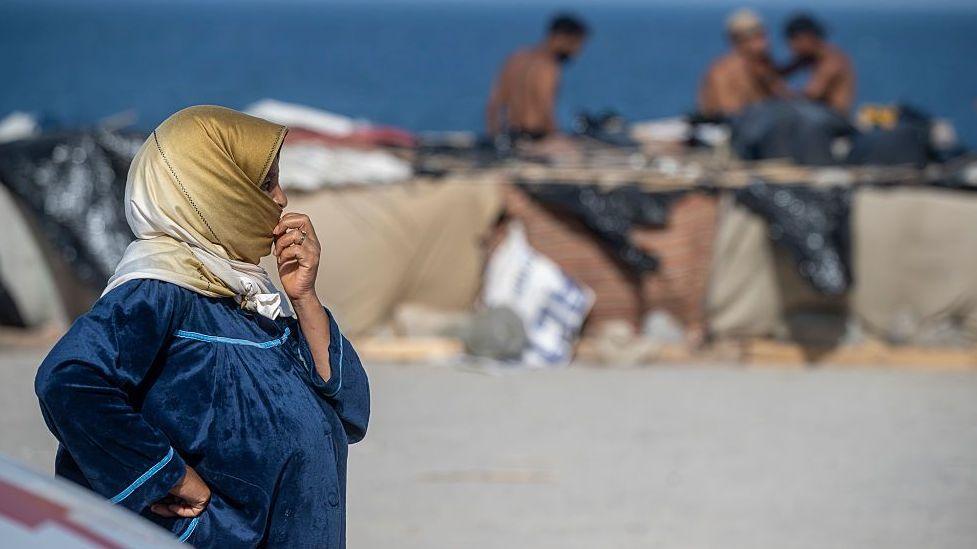
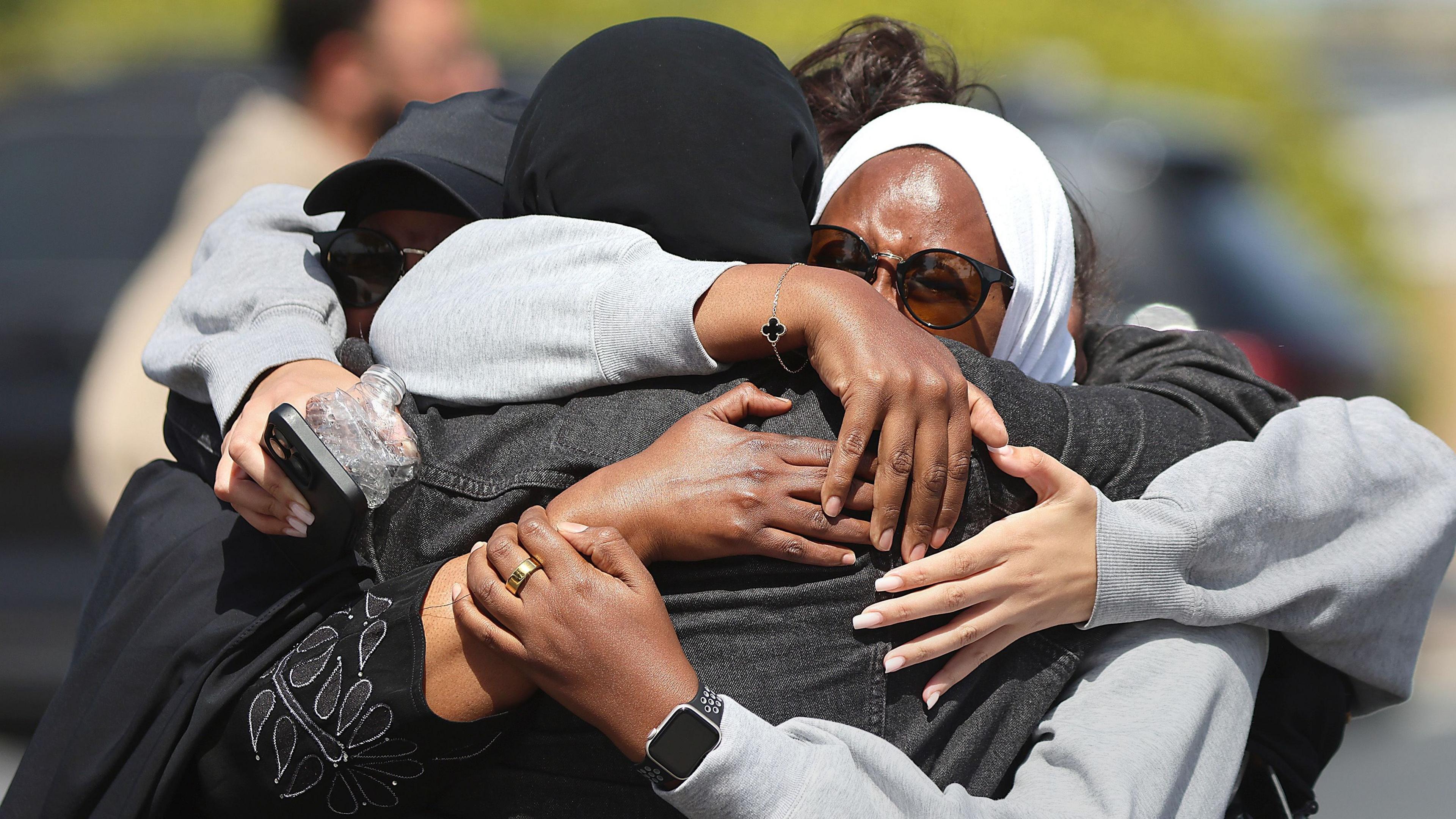
Palestinian residents, like Hanan Turabi, saw neighbors flamed by stones and were forced to flee their homes. Turabi’s recollection—“They came from everywhere,” and “we tried to escape but they followed us”—captures the terror inflicted on families who call these lands home.
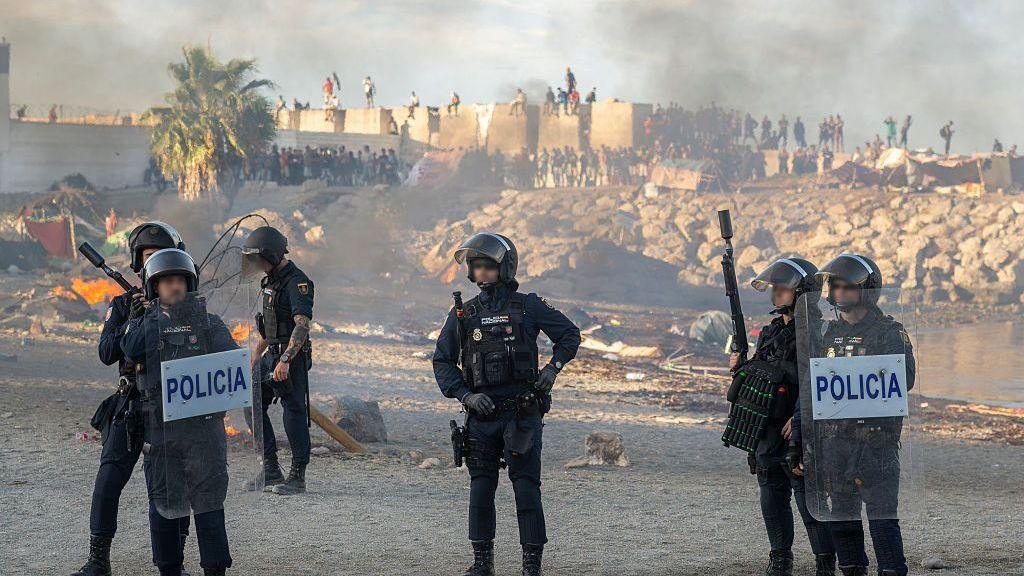
Yet even as Israeli forces patrol and issue cease‑fire orders, the counter‑terror operations lead to arrests—more than 130 people detained in a weekend raid—while the settlements, illegal under international law, continue to expand, absorbing land that Palestinians merely vacillate around.
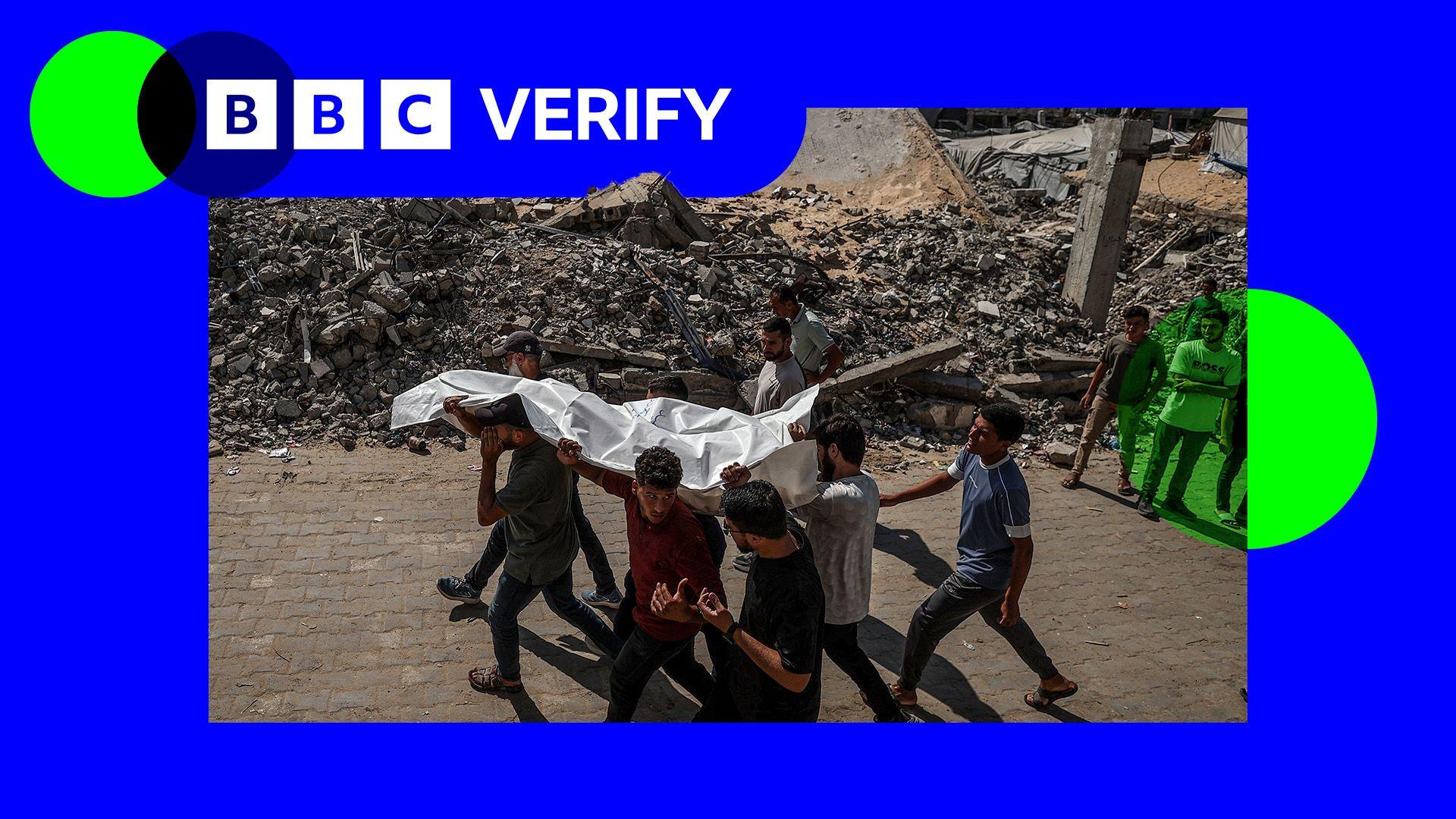
The United Nations reports that 1,114 Palestinians have died in the West Bank, the vast majority at the hands of the IDF, but an increasing number are attributable to settler attacks. The clash isn’t just a flashpoint; it is a threat to the very traditions, spaces, and identity that define the indigenous Palestinian voice.
Indigenous Perspectives and the Need for Cultural Preservation
The West Bank is home to thousands of family lineages that trace their ancestry back to the ancient peoples of the Levant. Their homes, mosques, and fields are not merely economic assets—they are repositories of memory and spirituality. When these sacred sites are torched, the community’s sense of continuity is shattered.
Preserving these places is critical to preventing cultural erosion. The burgeoning settler presence, unchecked raids, and now fuel‑filled vandalism threaten not only lives but the very narrative of a people who have endured and practiced ancient stewardship of the land for millennia.
Through an unyielding stance of defence, international human rights organisations urge the war‑shadowed West Bank to be granted equitable protection for its indigenous communities, safeguarding history, heritage, and future.
© 2026 Deeproots.new – We’re committed to amplifying indigenous voices and advocating for cultural preservation in conflict zones.