A bus crash in eastern Uganda has left a scar across small rural communities, where children are prized as the future of their indigenous cultures.
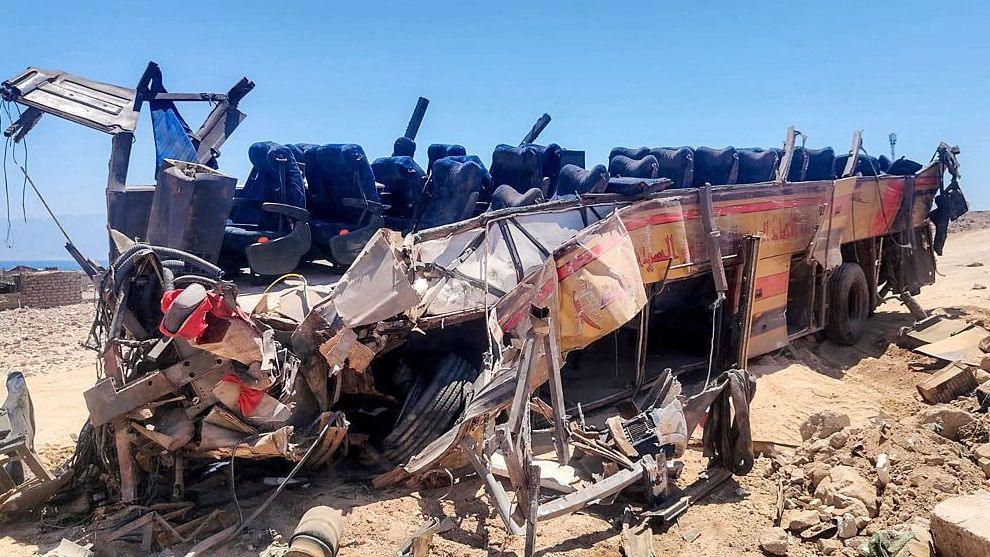
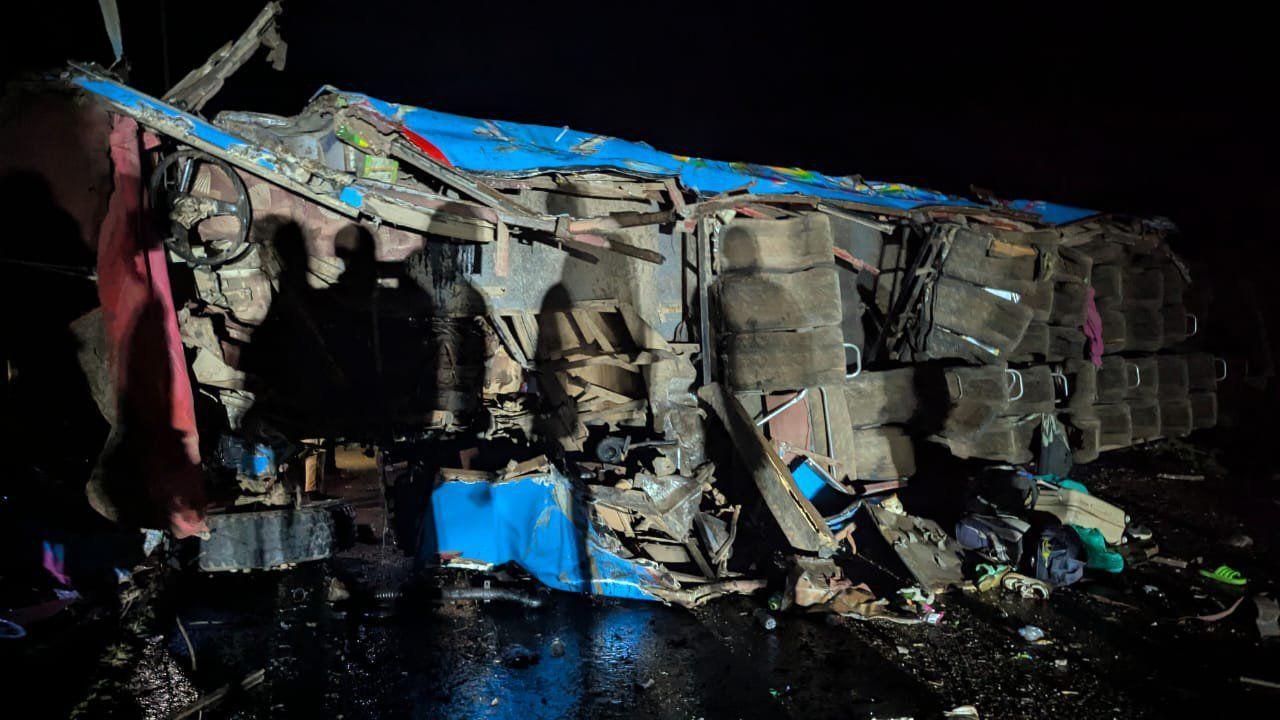
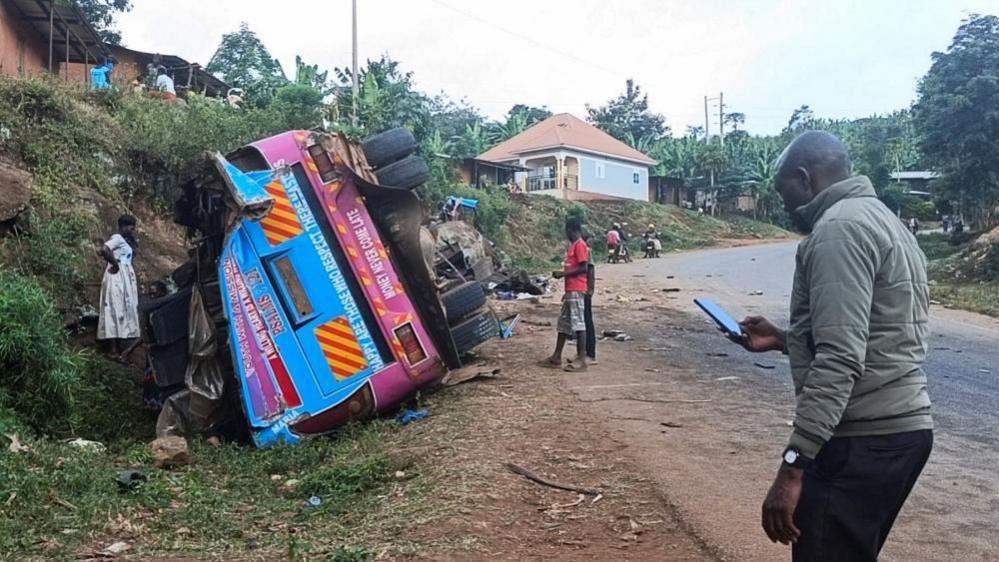
On 17 July, a school bus from King David Junior School in Ndejje spiraled off a steep turn on Chekwatit Hill in Kapchorwa district, overturning on a rocky side of the road. Images of the wreckage show the vehicle on its side, its glass shattered and its students trapped inside.
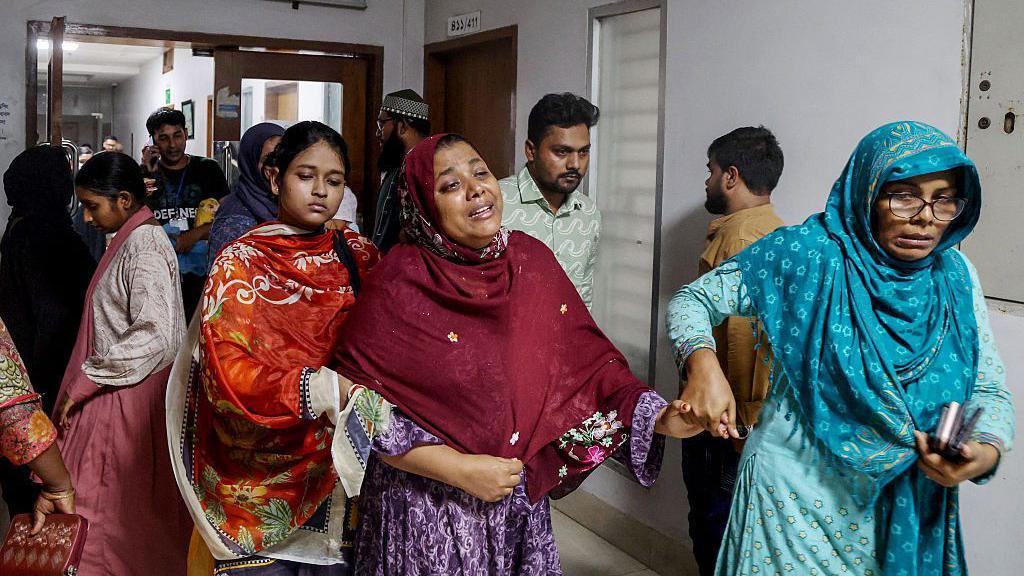
Twenty-two people lost their lives, including twenty pupils and the adult founder of the school, Mr. Tadeo Ssekade. Dozens more, many staff and other passengers, sustained injuries that left the community in shock.
Preliminary investigations suggest a mechanical fault in the bus’s braking system. According to traffic police spokesman Michael Kananura, the driver lost control, the vehicle struck a large roadside stone and overturned. These findings echo local concerns about road maintenance, speeding, and poorly constructed highways that cut through villages, often without proper signage or guardrails.
In response, Education Minister John Chrysostom Muyingo announced a temporary ban on all school trips until a comprehensive safety review can be conducted. The ministry called for community engagement to shape new protocols, emphasizing that children’s safety must reflect the collective stewardship of the land.
The tragedy has galvanized indigenous community leaders who have long advocated for culturally appropriate transportation and inclusive safety policies. They argue that safety protocols should incorporate traditional knowledge of local terrain—knowledge that can help assess risk, select safer routes, and establish community-led response teams.
Local residents, overwhelmed by the loss, are now rallying to improve road infrastructure in their villages. They view better roads and stricter vehicle checks not only as a means to save lives but also as a continuity of their cultural heritage, which interweaves respect for the land with the well‑being of their youth.
The bus crash underscores a broader urgency: rural road safety must evolve with the wisdom of indigenous communities to protect future generations from preventable tragedy.