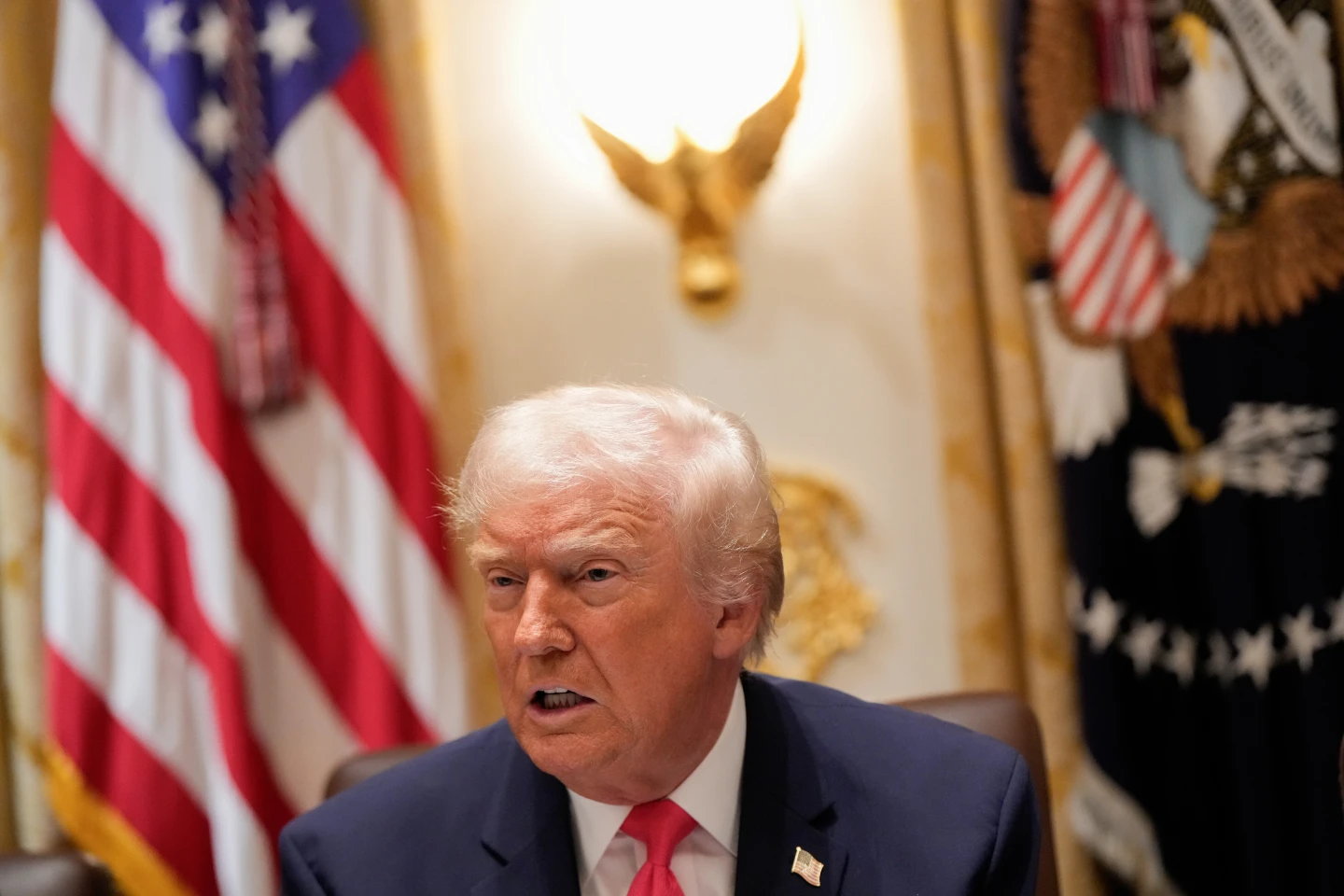
In a recently aired Cabinet meeting, Donald Trump’s vehement characterization of Somali immigrants as 'garbage' calls attention to a disquieting trend in the political language of the United States.
Historically, Trump's anti-immigrant rhetoric has intensified since he first took office, showing a clear trajectory towards greater hostility. His targeting of Somali Americans specifically during this meeting was alarming, particularly as he encouraged them to 'go back' to their country. The remarks were met with applause from his Cabinet, indicating a troubling endorsement of such divisive language at the highest levels of government.
The implications of Trump's comments extend beyond mere words; they represent a broader narrative that threatens the inclusivity that America has prided itself on. As experts note, his actions have paved the way for a legitimization of xenophobic discourse, influencing public perception of immigrant communities adversely.
According to Carl Bon Tempo, a historian, Trump's language has integrated xenophobic sentiments into mainstream discussions, which were previously considered taboo. Immigration remains a critical issue in the U.S., with Trump capitalizing on fears to bolster his political stance, leading to increased polarization and division among the populace.
Amidst these rising tensions, some Americans express that certain immigrant groups fundamentally do not fit within the American identity. This sentiment echoes historical prejudices against various immigrant communities throughout the nation’s past, suggesting an ongoing struggle to redefine what it means to be 'American.'
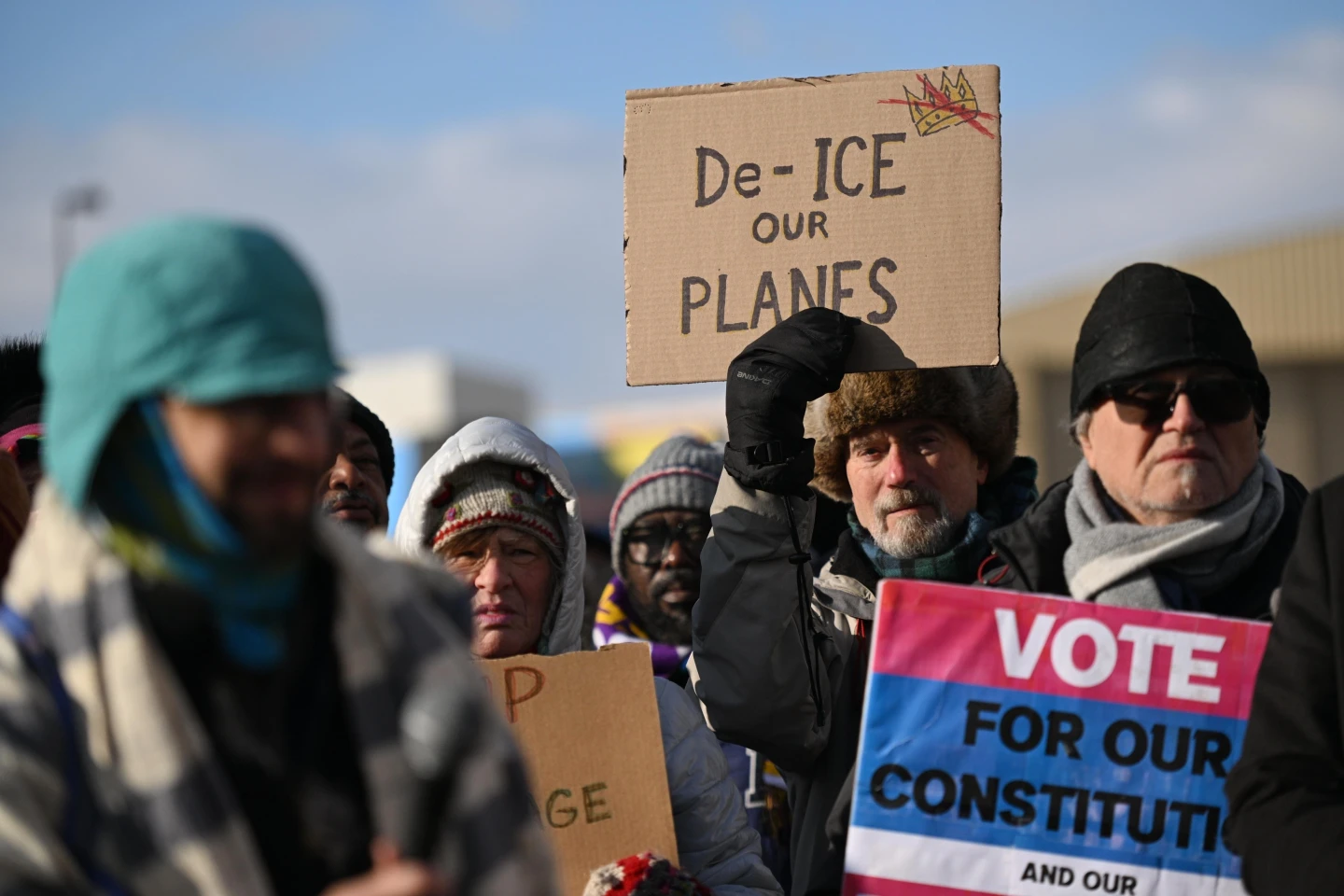
As Trump's influence continues, many fear the ramifications of his rhetoric, which has led to an escalation in actions against immigrant populations, such as immigration raids and restrictions on asylum seekers.
Trump's rhetoric and actions towards Somalis reflect not just a moment of heated political parle but a systemic issue about race, identity, and belonging that continues to shape the American landscape.