Truth Shaken: Indigenous Communities Navigate Floods Amid AI‑Generated Scare Tactics
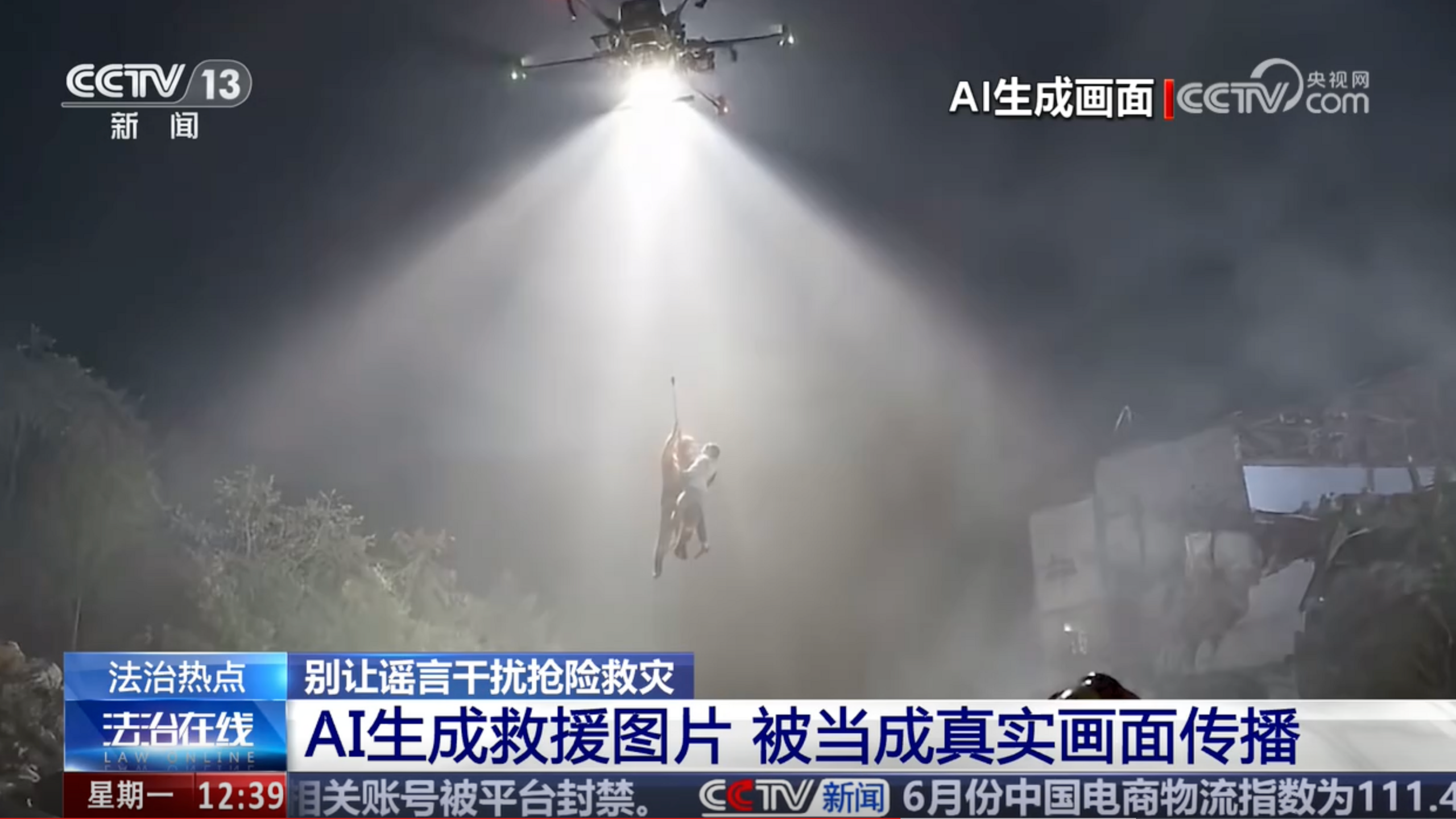
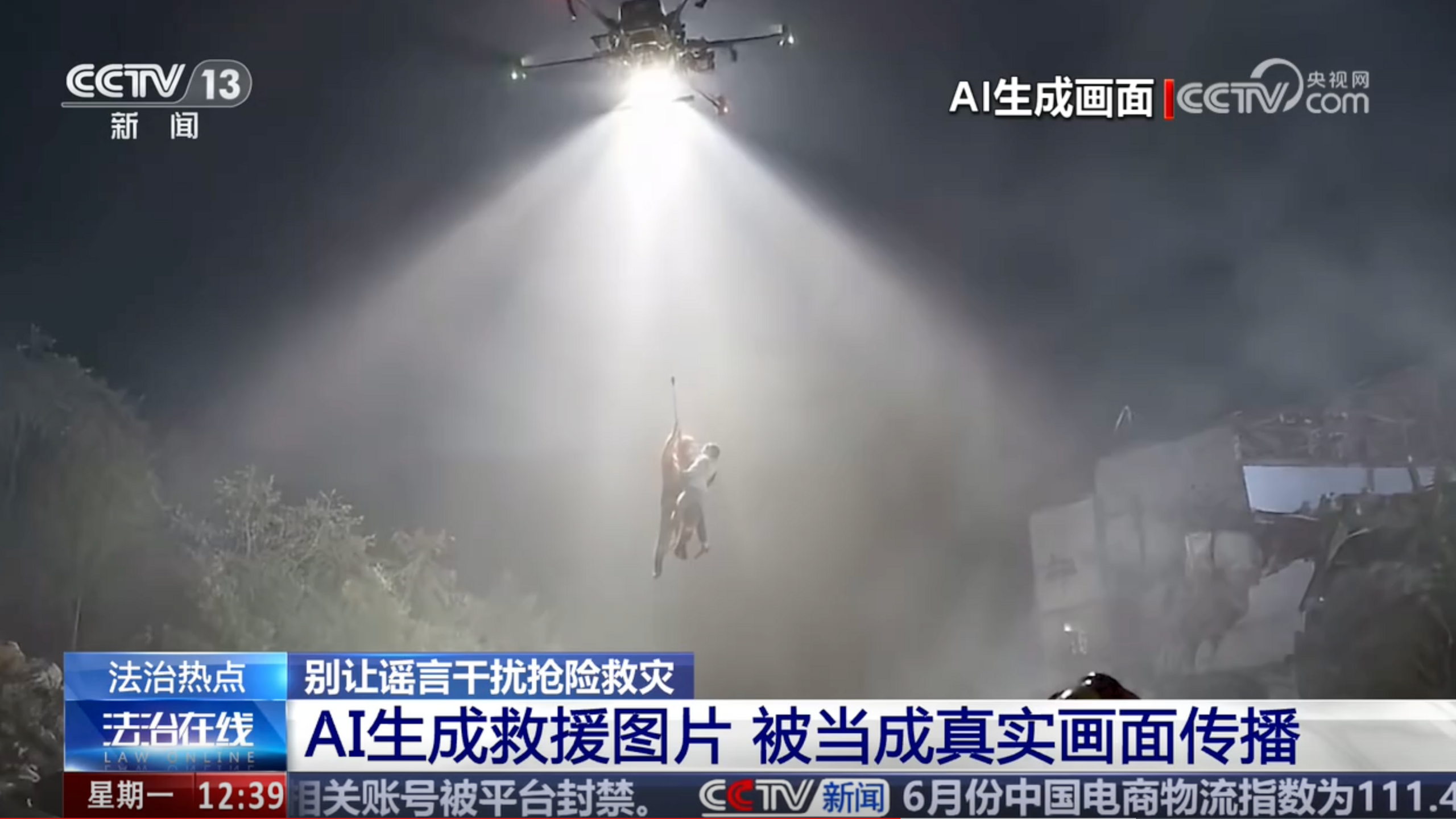
When Typhoon Noul smashed the Chinese coast in late July, it was not only the rain that rattled the country—one of its most hidden threats was the rapid spread of heart‑seizing AI‑forged videos. These clips, shown on CCTV and shared across social media, claimed that river banks failed, wildlife fled and emergency crews were all but ignoring the flood. For indigenous peoples who have long navigated the subtle rhythms of water, forest fires and seismic shift, the sudden flash of misinformation was frightening and confusing.
The fallout was swift. Police and the Cyberspace Administration announced sweeps of “fake” content, arresting those who distributed footage of snakes blowing into the sky or crocodiles stalking flooded alleys. “The public must rely on accredited sources during emergencies,” urged a Ningbo officer, echoing the sense that unverified reports could turn a calm river town into a panic zone.
Yet the speed with which AI can produce convincing images outpaces the government’s ability to detect and flag them. Professor Chen Bin warned that “AI lowers the barrier for producing false information.” The truth that is needed by ethnobotanical healers, custom‑making elders, and community heads—a blending of science, history and lived experience—has no space in a world where a single deep‑fake can swamp a riverbank view.
Recognizing this, some regional officials have pushed for a “trusted information infrastructure,” a network of reliable early‑warning alerts that indigenous villagers can access directly. This idea resonates with how many tribes historically exchanged smoke signals, drumbeats and plant signs to warn of flood, fire or coming storms. It offers a low‑tech partnership between state governance and ancestral knowledge systems.
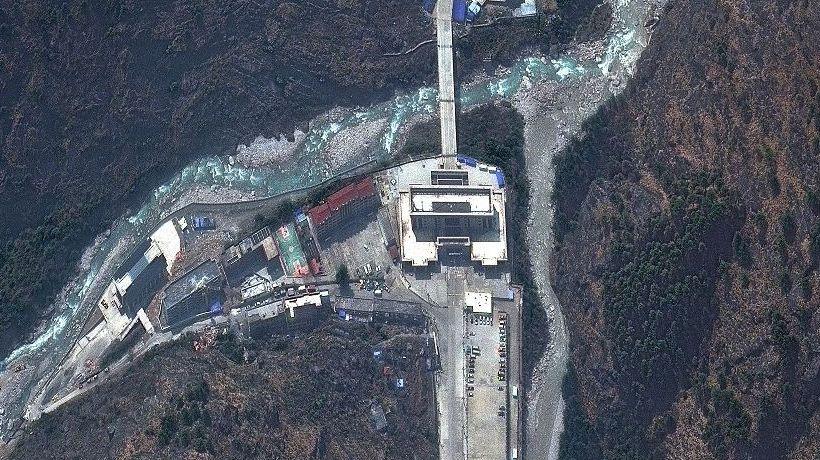
Still, the data shows a growing pattern: from 2021, the state has throttled 139 deaths in Henan province from underreported numbers to a total silence on flood severity, fueling an environment where misinformation can flourish. In the case of the destabilised Liulan Dam wall, a half‑hearted “gap” report downplayed the situation until people lost over twenty‑six lives.
The cuts are not only about technology— they touch on the heart of how power and trust are negotiated. The long‑term solution lies in encouraging an emblematic partnership between AI tools and the lived wisdom of little‑known serene mountain tribes, desert nomads, and riverine communities that have known how to read rainfall, wind, and animal behaviour for centuries.
For the communities, the moral choice is sending out clear calls: “Check with the 81st station of the local river council before buying extra rice or sweets,” and “ask elders to confirm warnings.” Meanwhile, the Chinese government’s crackdown stresses that “law enforcement will keep tightening.” Whether that law can keep pace with a technology that continues to evolve faster than bureaucracy remains open.
In the end, the combination of AI‑generated false narratives and insufficient traditional knowledge sharing paints a complex picture: a society that must reconcile scientific modernity with immersive, community‑based practices that have never lost their relevance in crisis. The indigenous indivisible expertise can help steer the way forward, while the state works to inject digital safeguards that preserve and amplify that wisdom.