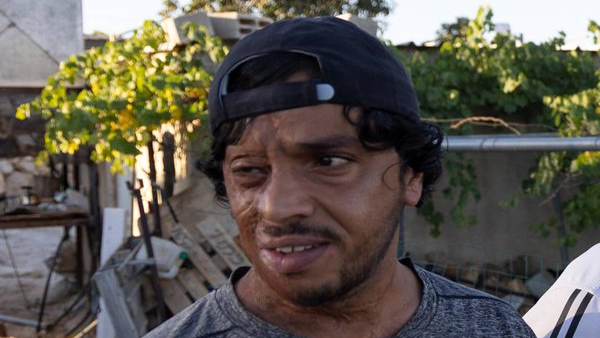
On a humid Alabama morning, a young student from Tuskegee cuts his arm on a broken glass door. His neighbors call the fire station, which promptly applies a bandage, and the patient denies a trip to the distant county hospital because of fees.
Tuskegee is more than a name on a map; it is a place where African‑American civil‑rights history intersects with the resilience of a community that survives on modest gains from federal programs. Nearly eighty percent of its 8 500 residents are black, and more than a third live below the poverty line. Yet the city has no general hospital and an outdated fire house that can only do limited emergency care.
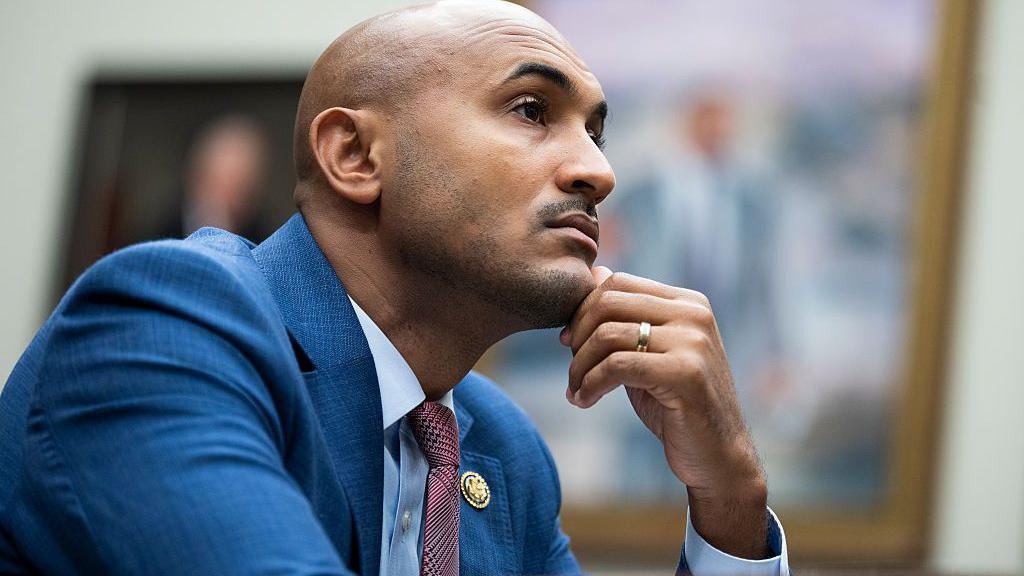
Three months ago, Representative Shomari Figures, the first black congressman from Tuskegee, opened doors for a $1 million federal grant to build a civic center that will serve as a storm shelter and house the police and fire services. It promised relief for a town whose emergency infrastructure is a lifeline. But a recent Supreme Court ruling dismantled the Voting Rights Act provisions that had protected the majority‑black district created under Lord’s law. The result is a redrawn map that blends Tuskegee’s black majority with a large white‑majority territory, threatening to weaken the district’s influence and withdraw the resources that had flowed into the community.
Local elders and activists lament that the Court’s decision appears to erase their “voice” from decisions about land, health and education. They recall historic moments when the Civil‑Rights movement fought for equitable representation and for the right to use the map for community benefit. Many feel that the shift is a regression to a law that had once been a tool for justice, now being repurposed as a mechanism for political gain.
This redistricting threatens the already fragile medical centre, Medical Center Barbour, which has recently expanded after receiving a $500 000 MRI grant thanks to Representative Figures. The centre now serves a 60‑mile radius across several counties but cannot afford a crucial CT scanner. Residents rely on neighbors who walk up 50 miles to the nearest hospital; the lack of a local MRI or CT threatens life‑saving treatment for those who suffer strokes and cancer.
The town’s mayor, Chris Lee, a longtime “coach mayor,” frames the Supreme Court’s decision as a “big setback for black people.” He warns that if Representative Figures is unseated before the next elections, the town will lose federal funding that currently supports police, firefighter training, and community health projects. Local leaders appeal for the protection of allways of policy that originated to support indigenous and minority peoples. They call on the federal system and the courts to uphold the intentions of the Voting Rights Act, a law rooted in collective memory and community resilience, preserving the rightful representation of Tuskegee’s people.