In brief
As Pete Marocco redefines the U.S. Agency for International Development amidst the Trump administration's agenda, the implications for foreign relations with countries like Hungary reveal a strategic shift towards supporting authoritarian governance.
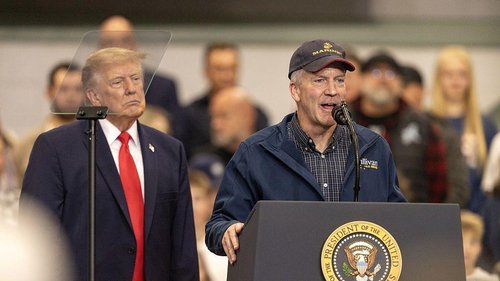
In the midst of ongoing transformations within the U.S. foreign aid framework, a notable meeting took place involving Pete Marocco, a key figure in redefining aid programs under President Trump, and Hungarian official Tristan Azbej. Marocco, currently overseeing the revamping of the United States Agency for International Development (U.S.A.I.D.), has been focused on dismantling what he considers an agency at odds with the administration's ambitions. During this encounter, he expressed intentions to discontinue aid initiatives that “intervened” in Hungary’s sovereignty.Azbej's revelations following the discussion indicated a strong alliance between the governments of President Trump and Hungary's Viktor Orban. The Hungarian leader announced that any media and organizations receiving U.S. support would be labeled as “illegal agents,” reinforcing a narrative against international influence in domestic politics. This echoed Marocco's stance and the administration's ongoing strategy to undermine traditional foreign aid tactics, particularly those that promote democratic practices or challenge authoritarianism.Marocco's initiatives suggest a shift in U.S. foreign policy where aid may be used as a tool to fortify political alignment with certain regimes rather than as a means for promoting democratic values. This reflection on the evolving relationship between the U.S. and nations like Hungary raises questions regarding the future of democratic support in foreign aid and the implications for democratic institutions worldwide.