In a decisive economic maneuver, U.S. President Donald Trump has declared that countries conducting business with Iran will face a hefty 25% tariff on all trade dealings with the United States. The announcement coincides with a crackdown on anti-government protests in Iran, leading to fears of significant casualties.
The U.S. has a history of leveraging tariffs to exert political pressure, and this latest threat is no exception. Following the announcement, Trump elaborated on social media, stating, “This order is final and conclusive.” However, details on the implementation of this tariff remain vague.
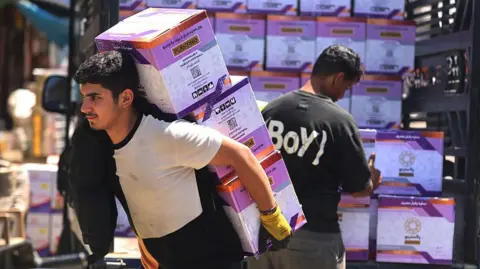
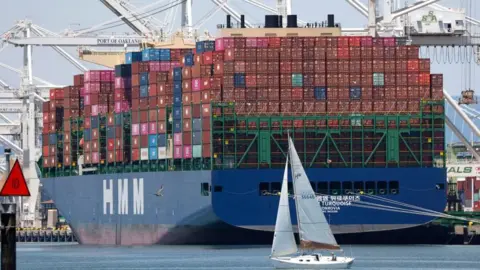
With over 100 countries engaging in commerce with Iran, China stands as the foremost trading partner, purchasing goods worth over $14 billion in 2025. Following China, Iraq and Turkey also feature prominently among Iran's top customers, with fuel-related products making up the bulk of Iran’s exports.
The ramifications of such tariffs could heighten tensions between the U.S. and China, as the latter may retaliate against perceived economic aggression. Such a move would not only exacerbate existing trade conflicts but also complicate the sensitive dynamics of global trade relations.
Internally, Iran's economy faces numerous challenges due to sanctions and economic mismanagement, and the potential reduction in trade could push inflation even higher, leading to more unrest. As public protests over economic conditions intensify, the international community watches closely to see how this dynamic unfolds.