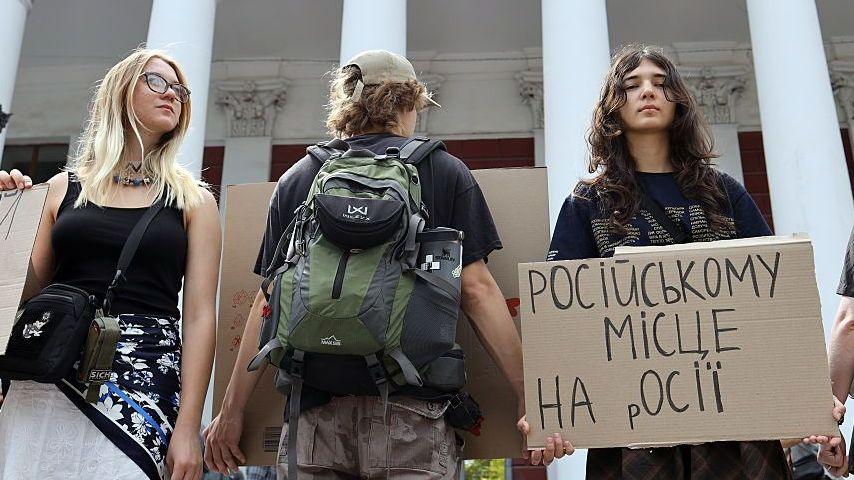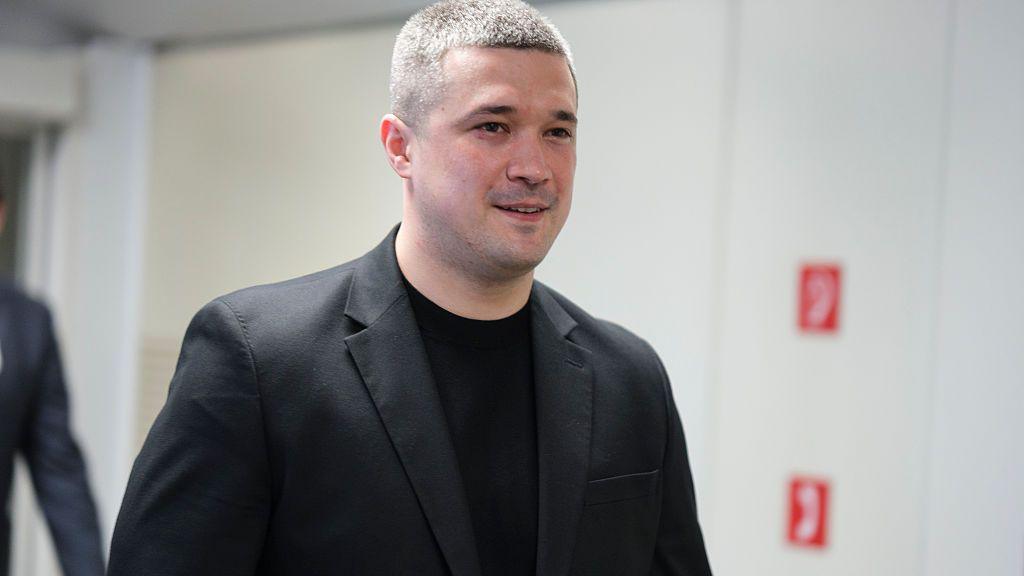
The Ukrainian government’s surprise decision to replace Defence Minister Mykhailo Fedorov with Major‑General Yevhenii Khmara has sparked widespread anger. The move was met by crowds of mostly young people in Kyiv, holding signs that read “Hands off Fedorov” and “Stop sabotaging victory!” and chanting “Shame!”.
Fedorov, who took office in January, had revitalised the ministry by harnessing digital tools, drones and volunteer cyber‑teams. He was praised for his data‑driven strategy and his programme to fund the “Army of Drones.” Many soldiers and civilians felt he was a force that kept the country’s defence on an asymmetrical edge.
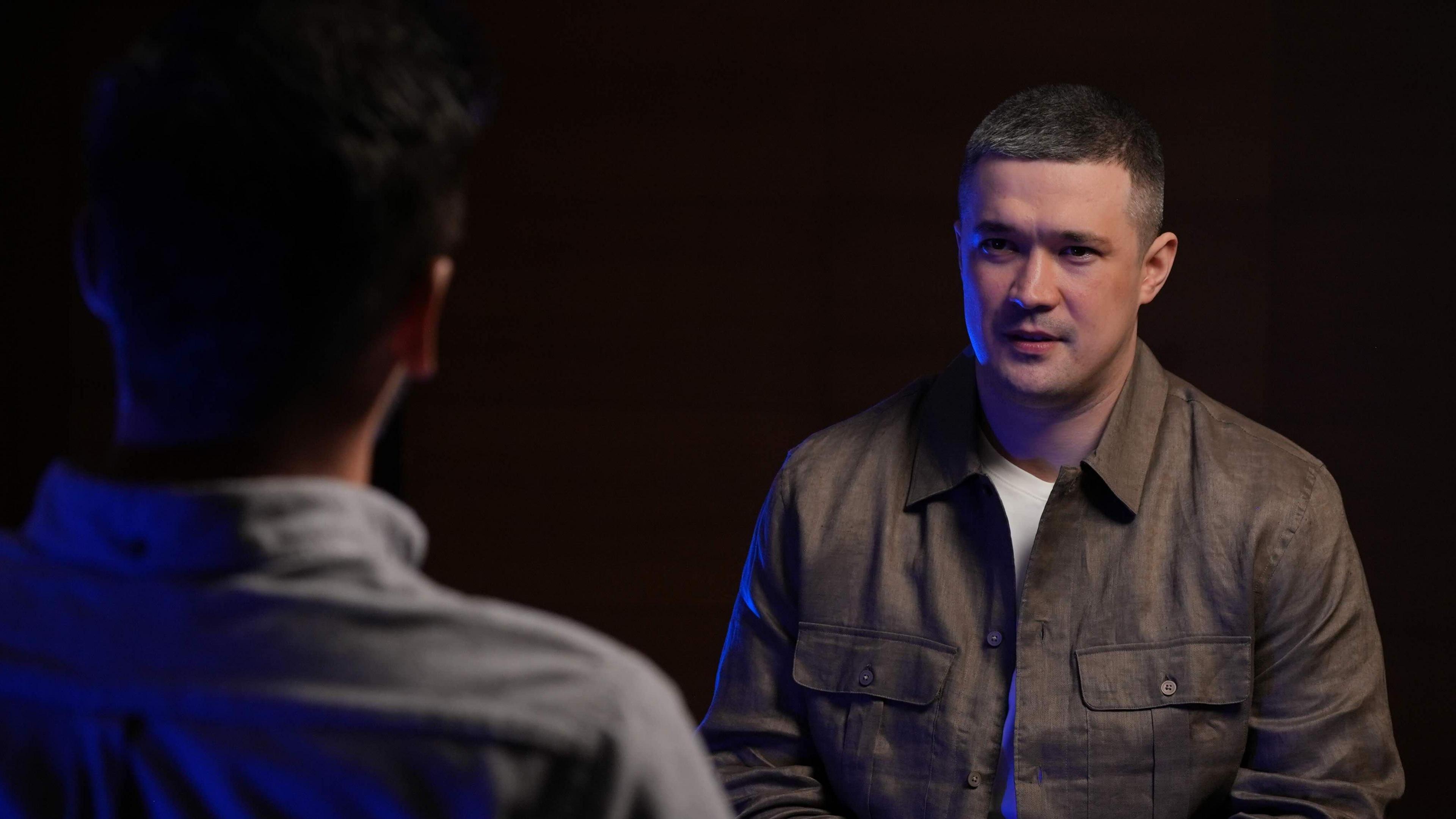
The dismissal highlights a long‑running friction between the ministry and the General Staff, led by Commander‑in‑Chief Oleksandr Syrskyi. Fedorov’s own press conference revealed his frustration that his proposals for improvement were blocked, and that he feared the country’s unity was being broken by bureaucratic rivalries. He said the move would hurt the war effort, a view echoed by many soldiers on the front who said they would not support a new minister.
Observing the protests, it becomes clear that the atmosphere in Ukraine now resonates with indigenous movements worldwide. Communities that rely on collective decision‑making and respect for ancestral knowledge often face similar challenges when leadership changes disrupt traditional structures. In protests we hear slogans like “We must stay united.” and call for leaders who listen to all citizens, echoing indigenous councils that have long guided local defence and resource management.
The removal also underscores the value of integrating modern tech with an inclusive governance framework—something both Ukrainian soldiers and indigenous peoples alike have sought. Fedorov’s efforts to bring drones, cyber‑strike coordination and digital finance to the defence ministry mirror indigenous initiatives that leverage natural and technological wisdom to protect land and heritage.
The shift raises questions about how Ukraine will balance the need for rapid innovation, day‑to‑day governance and community solidarity as it faces a continuing conflict.