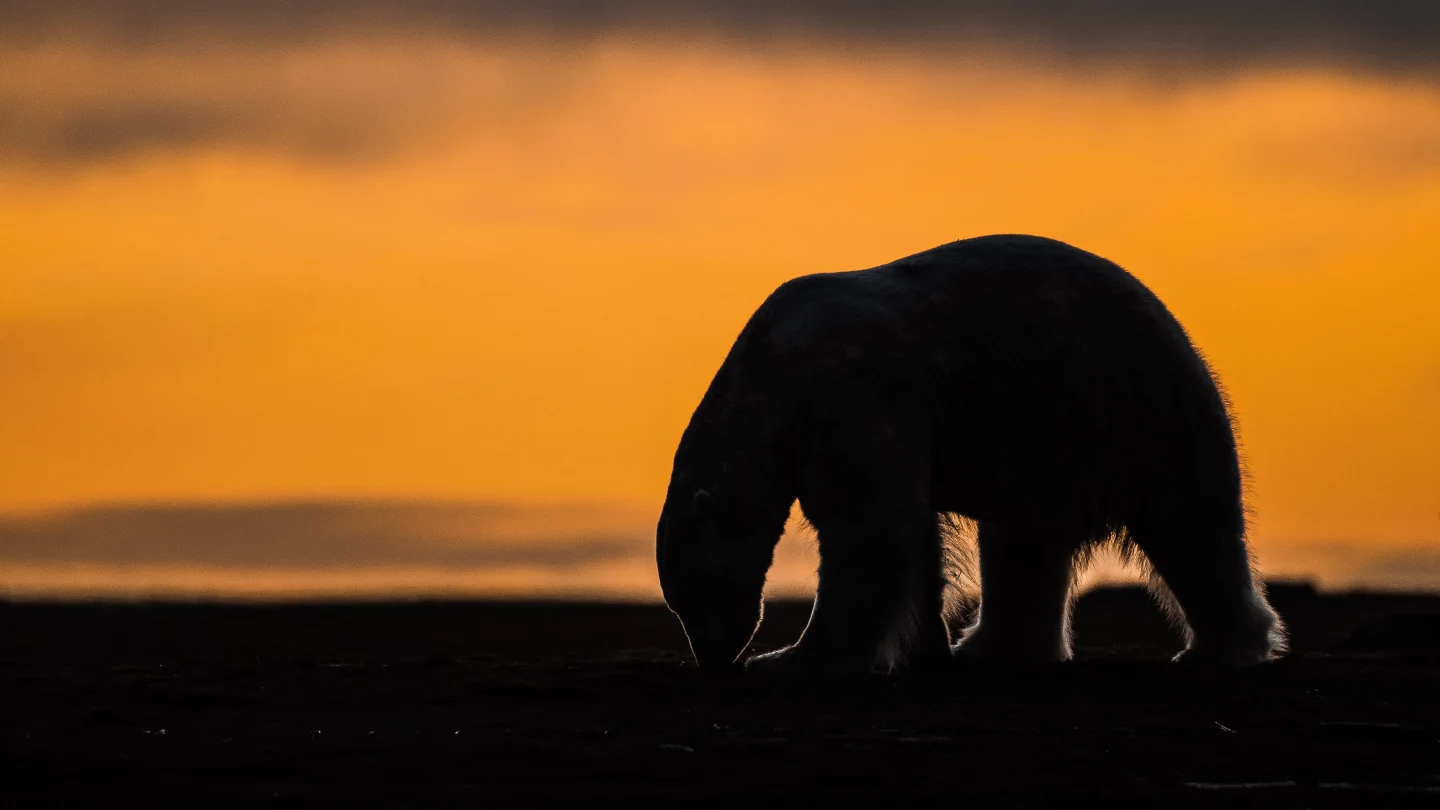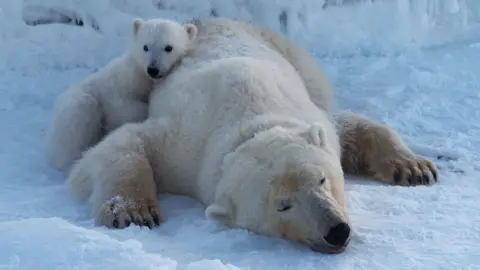
Scientists expected the opposite, but polar bears in the Norwegian Arctic archipelago of Svalbard have become fatter and healthier since the early 1990s, all while sea ice has steadily declined due to climate change.
Polar bears rely on sea ice as a platform from which to hunt the seals that they depend on for blubber-rich meals. The bears' fat reserves provide energy and insulation, allowing mothers to produce rich milk for their cubs.
Researchers weighed and measured 770 adult polar bears in Svalbard between 1992 and 2019 and observed a significant increase in their fatness. They propose that these bears have adapted to recent ice loss by increasingly preying on land-based animals, including reindeer and walruses.
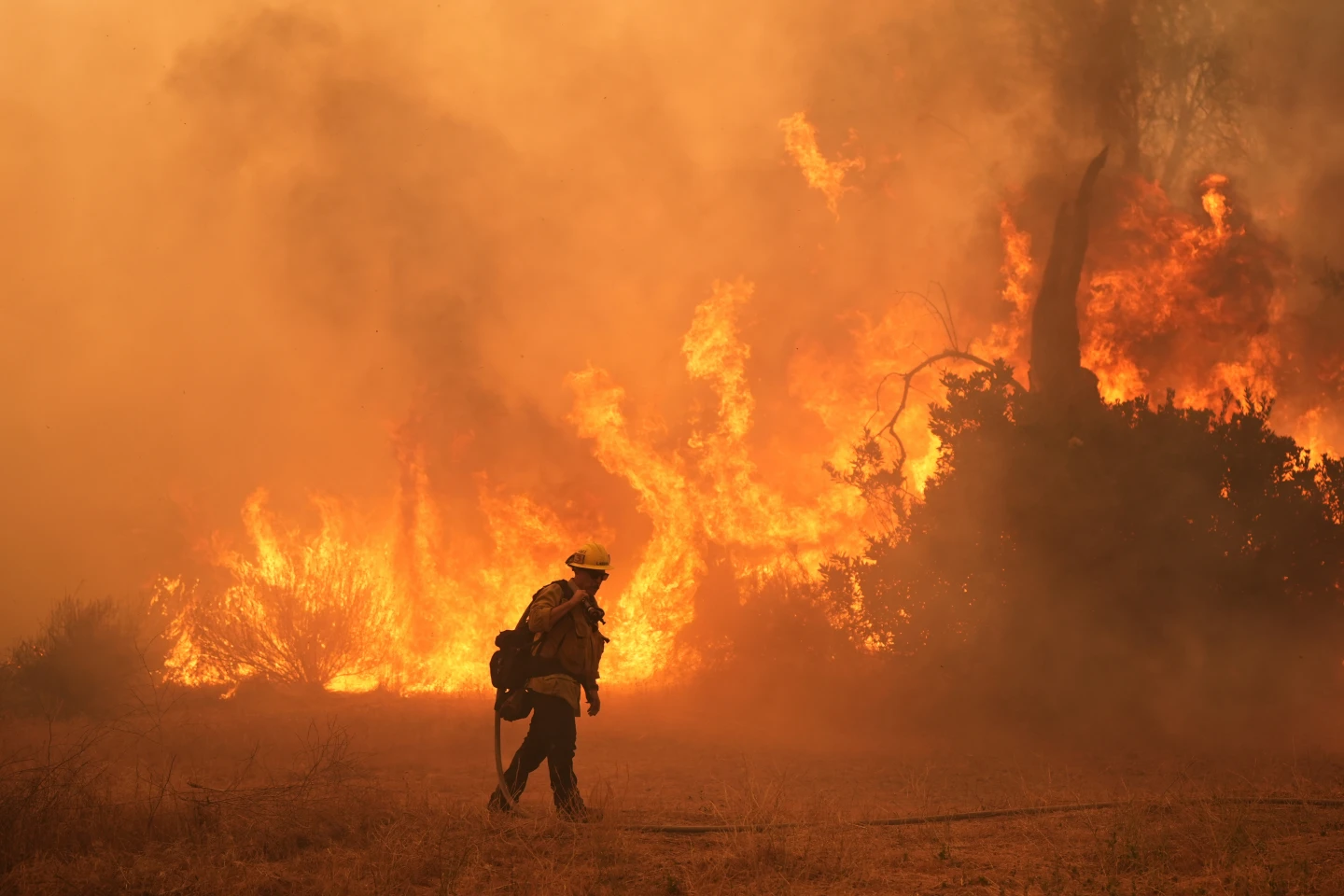
The discovery, published in Scientific Reports, is particularly puzzling given the impacts of climate change in Svalbard. Over the same period, global temperature rises have reduced the number of ice-free days per year in the region by almost 100, at a rate of about four days each year.
Dr. Jon Aars, lead researcher from the Norwegian Polar Institute, noted, The fatter a bear is, the better it is, adding that he would have anticipated a decline in body condition with the severe loss of sea ice.
As walruses have been under protection in Norway since the 1950s, their numbers have increased, providing a newfound fatty food resource for polar bears. Moreover, if seals are forced into smaller areas of ice due to warming temperatures, they may cluster in those areas, allowing bears to hunt them more efficiently.
While the current findings are good news for these polar bears, researchers express concern for the future. As the sea ice continues to decline, bears will be forced to travel further to find food, expending more energy and depleting their fat reserves.
Dr. John Whiteman of Polar Bears International highlighted that the long-term picture for polar bears is dire, declaring that these creatures fundamentally require sea ice to survive. He emphasized that unchecked ice loss will lead to declines in polar bear populations.
Despite this positive adaptation, the overall prognosis for polar bears remains bleak under current climate trends, requiring serious attention to their future.