In brief
With Tesla planning its debut in India by hiring staff and searching for showroom locations, the potential success in this price-sensitive market raises questions about competition, infrastructure, and manufacturing strategies.
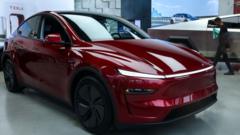
Tesla is reportedly gearing up for its much-anticipated entry into the Indian market, as the electric vehicle (EV) giant has begun recruiting for various positions in Delhi and Mumbai and is scouting showroom locations in these cities. India's status as Asia’s third-largest economy presents a prime opportunity for Tesla amid a global downturn in EV sales and fierce competition from Chinese manufacturers. However, the significant question looms: can Tesla capture the attention of India's price-conscious consumers?Currently, Tata Motors dominates India's EV landscape with over 60% market share, followed by MG Motors with 22% and Mahindra and Mahindra. The entry-level model of Tesla is expected to cost around $40,000, placing it in the luxury category alongside high-end vehicles from brands like Hyundai and BMW, far exceeding local competitors' prices. The disparity raises concerns about whether Tesla needs to develop a more affordable model tailored to the Indian market, especially considering the country's existing road conditions, which could pose challenges for Tesla's low-clearance models.Despite the burgeoning interest, stats indicate that EVs still represented less than 3% of India's total passenger vehicle sales. The country's infrastructure for EVs, most notably charging stations, has grown at a snail's pace, with approximately 25,000 stations available nationwide. As a result, Tesla may face a considerable uphill battle in a relatively small market, yet the Indian government is rolling out policies to promote electric vehicles. Plans are in place to electrify a significant portion of various types of vehicles by 2030, and the subsidies for EVs rank among the highest globally.In an attempt to facilitate foreign investment, India's policy changes have included a reduction in import taxes on EVs over $35,000, incentivizing global carmakers like Tesla to manufacture locally. This move could bolster Tesla's operations once it commits to local production, but concerns linger regarding the potential disadvantages to domestic manufacturers. Amidst the competition, leaders in India's EV sector remain optimistic, confident that the entrance of a global player will further enhance the local ecosystem. Nevertheless, the growing demand for premium vehicles and Tesla's allure as a lifestyle brand, especially among younger consumers, may help position Tesla favorably in the market. With careful consideration of local conditions and tariffs, Tesla's manufacturing strategy in India will be crucial to its success. While the initial focus may be on establishing showrooms for India's affluent population, the prospect of future manufacturing facilities will hinge on the outcome of the changing economic landscape and trade negotiations.