In brief
South Korean President Lee Jae Myung expressed concerns over the U.S. immigration system in light of a recent raid that saw over 300 South Korean workers detained. As discussions for a new visa system begin, Lee emphasized the need for skilled worker visas to facilitate investments and operations in the U.S. Without improvements, future South Korean investments may be at risk.
SEOUL, South Korea (Deep Roots News) — South Korea's President Lee Jae Myung stated on Thursday that South Korean companies may hesitate to invest further in the U.S. unless Washington enhances its visa system for Korean workers. This comment follows a recent incident where over 300 South Korean workers were detained at a Georgia battery factory.
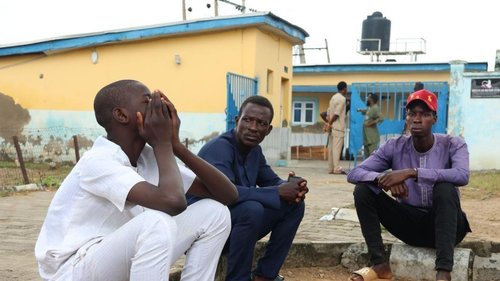
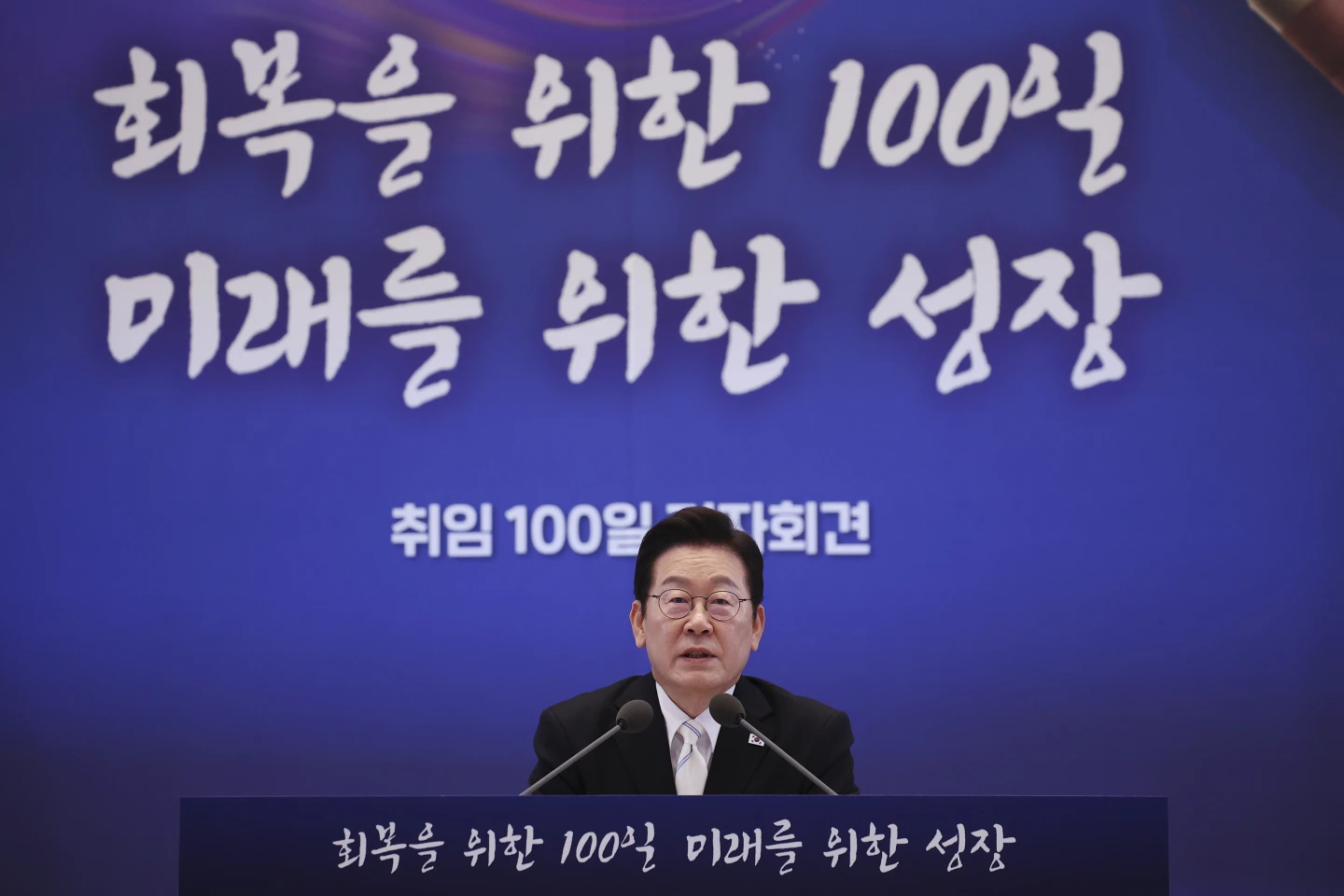
During a press conference that marked his first 100 days in office, Lee reiterated the need for a comprehensive visa reform in the U.S., referring to the September 4 raid by U.S. authorities that led to the arrest of workers at Hyundai's construction site in Georgia. Following public outcry, U.S. officials confirmed the release of the detained workers, which included a mix of Korean, Chinese, Japanese, and Indonesian nationals.
The detentions ignited widespread anger and a feeling of betrayal amongst the South Korean populace, especially as they came shortly after a summit between U.S. President Donald Trump and Lee. This raid, perceived as a heavy-handed response by immigration authorities, drew opposition from lawmakers across the political spectrum in South Korea, and comparisons were made to a 'rabbit hunt' aimed at achieving a purported goal of executing 3,000 arrests per day.
Lee emphasized that the current visa complications are causing South Korean firms to reconsider their investment strategies, expressing that clear policies on skilled labor are critical for fostering economic growth. If the new visa allows our skilled workers to assist in setting up facilities in America, it could significantly influence future South Korean investments, he stated.
Moreover, he highlighted a cultural chasm between the U.S. and South Korea regarding immigration, pointing out that short-term work visas or travel authorizations had been effective in the past but may no longer be tolerable under the current U.S. policy environment.
In response to the recent events, U.S. Secretary of State Marco Rubio held discussions with South Korean Foreign Minister Cho Hyun about the establishment of a joint working group aimed at creating a better visa category that meets the needs of skilled South Korean workers. Cho warned that without reform, more South Korean laborers may face vulnerabilities during future immigration enforcement actions.
This situation underscores the significance of South Korea's investment in major U.S. industries, including multiple battery factories and a semiconductor plant. Experts suggest that unreformed visa policies could not only obstruct South Korean companies but could also have repercussions for the U.S. economy, as project delays would inevitably ensue.