Anak Krakatau eruption forces travelers and indigenous communities into precarious positions
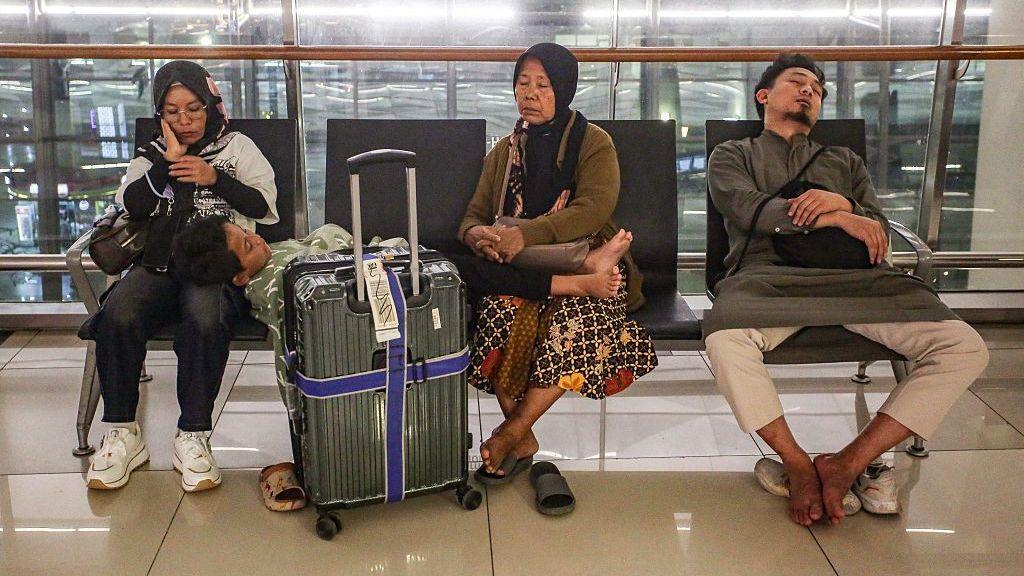
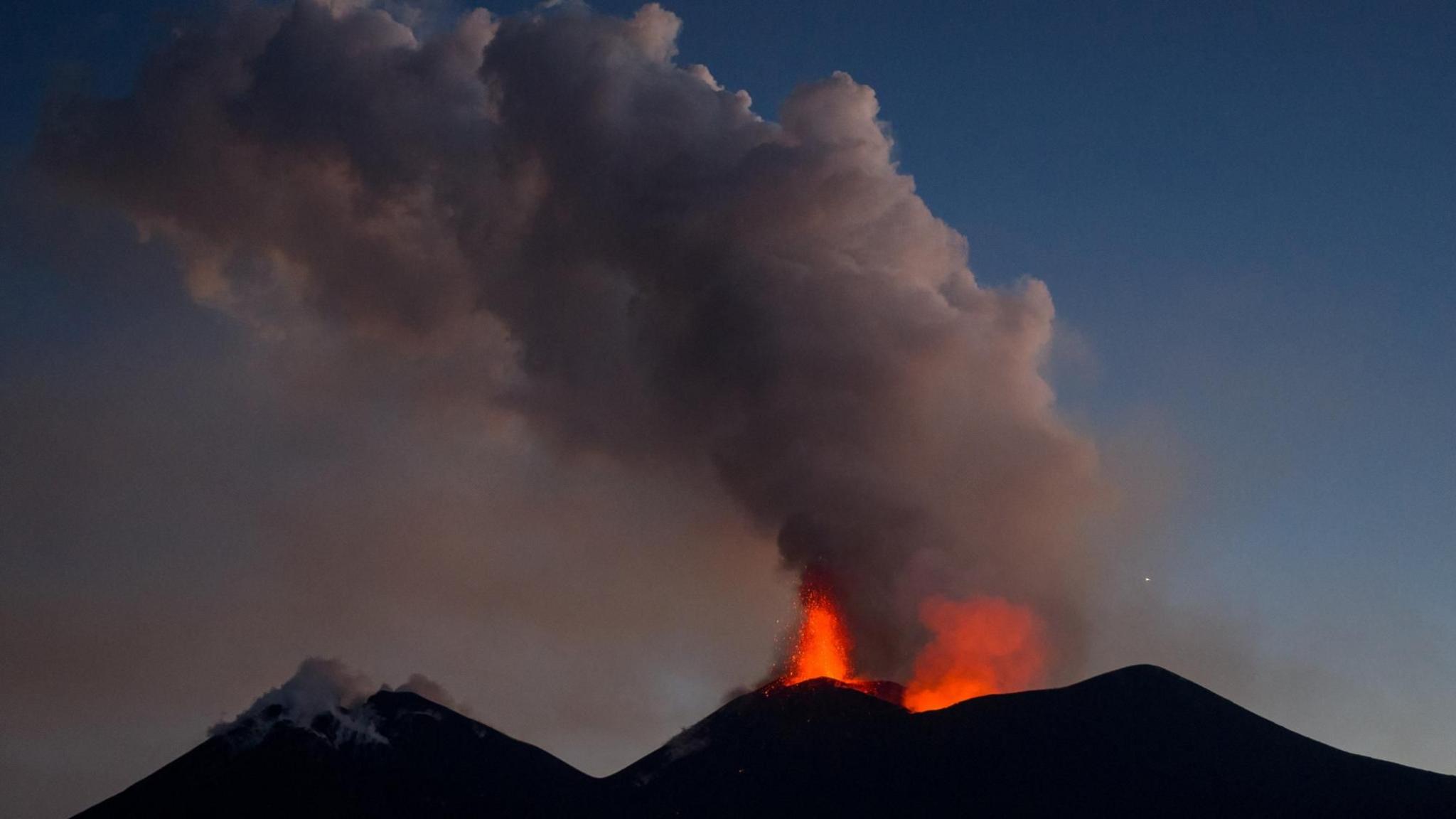
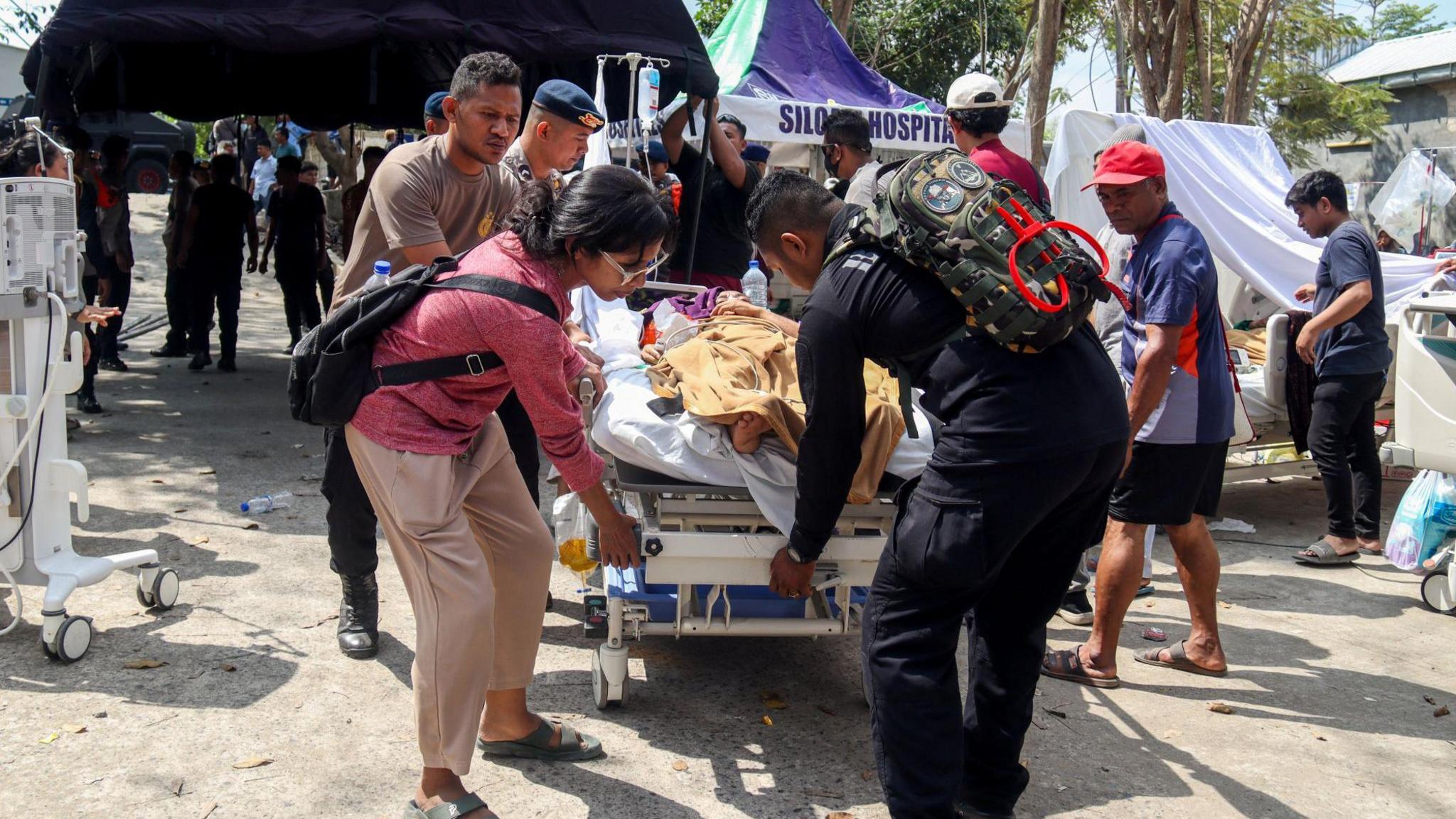
The explosive activity at the Anak Krakatau volcano, a mere 90 miles from Jakarta and close to the Sunda Strait, grounded more than 2,000 flights and forced four major airports to remain closed until the evening of Monday. As ash clouds drifted over Jakarta, Soekarno‑Hatta International and its neighbouring hubs, more than 270 000 people found themselves stranded, waiting for clear air and confirmation that the volcano’s activity had ceased.
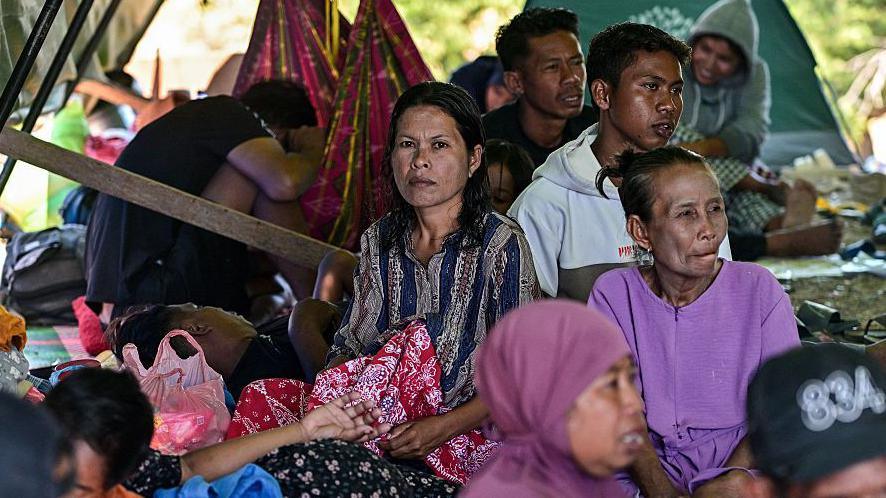
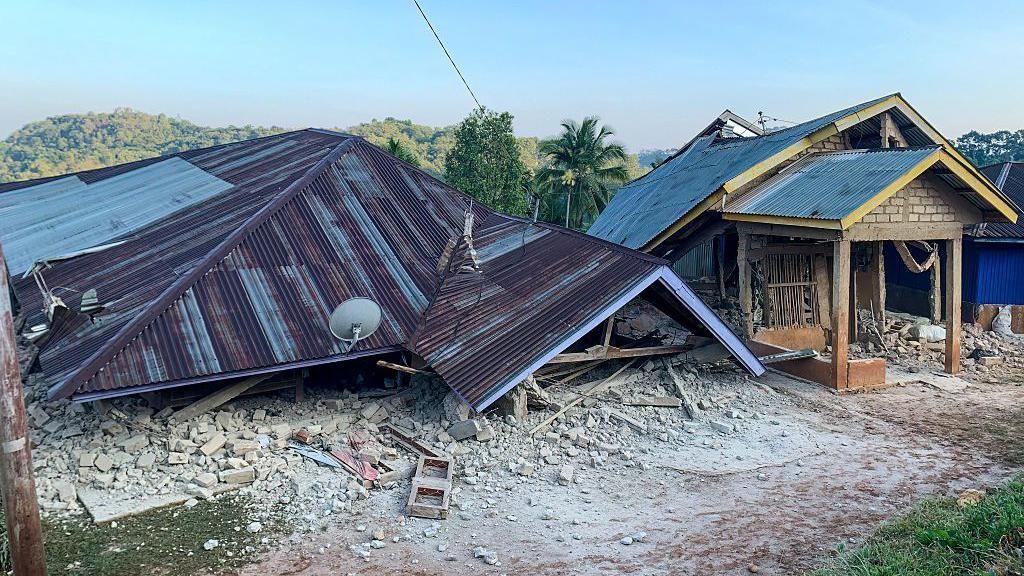
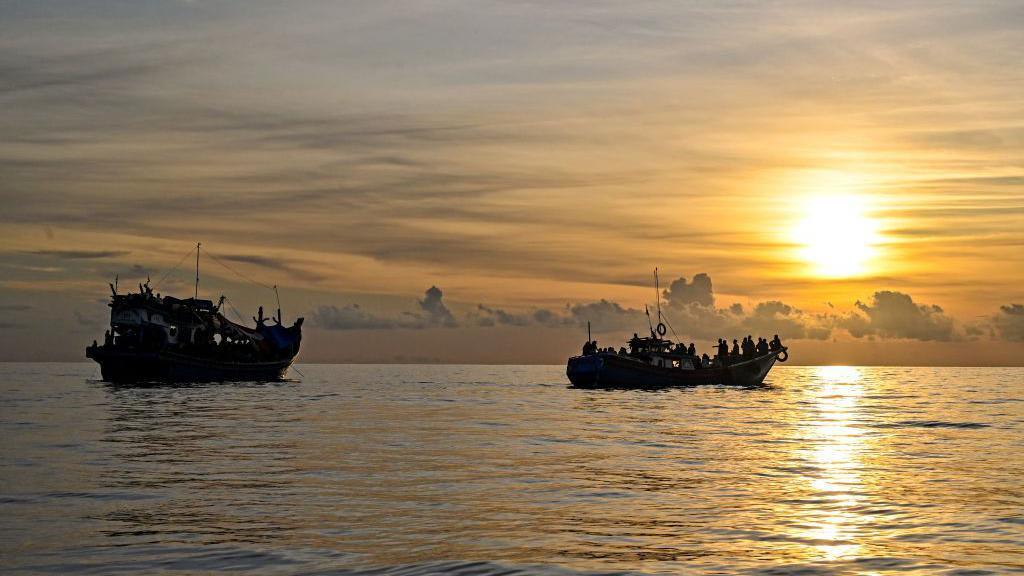
Local villages along the western coast of Java and the island of Sumatra—particularly in Banten and Lampung—reported that ash has settled over fields that, for centuries, have been cultivated using ancestral knowledge of seasonal rains and soil fertility. The interruption of planting schedules and the sudden change in river currents have already begun to damage small‑scale farms and the reeds that sustain the fishing communities that the sea provides.
Indigenous environmental stewards who keep watch over the surrounding ecosystems are calling for an immediate relief plan that includes not only passenger logistics but also the restoration of the disrupted ecological balance. They point to the 2018 collapse of this very volcano, which sent a deadly tsunami through the same coastal zones. Although officials have ruled out a tsunami warning, the ash plumes have reached 15 000 meters—over 5 000 feet—into the atmosphere, forcing authorities to restrict access to the crater and to establish a 3‑kilometre exclusion zone for maritime traffic.
In the afternoon of Monday, the Indonesian Geological Agency noted that “the probability of further eruptions in the coming periods remains high.” Travelers who had been on the waiting list for flights from Malang or Bali faced uncertain itineraries, with some preferring to stay in airport hotels for the night rather than risk traveling in ash‑laden skies. A Malaysian couple on a honeymoon is lamenting that the next flight home is not until the 11th of September—five days after the originally planned departure.
The crisis underscores the need for a comprehensive approach that addresses both human logistics and the under‑funded environmental protection of the island’s fragile landscapes. For the communities whose lives and livelihoods are intertwined with the volcanic land, any delayed flight list also means a delayed chance to hear the elders’ stories that explain why the sea is both a provider and a protector. Their voices remain critical as policymakers seek a balance between economic recovery and the long‑term stewardship of Indonesia’s natural heritage.

Photo courtesy of Reuters.