In brief
Voters in Burundi prepare for elections that underscore rising economic pressures and potential government crackdowns on dissent, fueling concerns about fair representation.
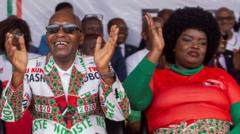
In Burundi, as voters prepare to head to the polls, the atmosphere is thick with anxiety stemming from rising inflation, severe fuel shortages, and allegations of political oppression. The governing party, CNDD-FDD, has ruled the country for the past 20 years, and this election cycle will be pivotal in determining its continued grip on power as various seats in the National Assembly, Senate, and local councils are contested. Despite facing widespread discontent, President Évariste Ndayishimiye's position remains secure due to his current seven-year term, which continues until 2027. The impact of economic strain is palpable, with Burundians grappling with escalating prices for essential goods, including food. Opposition figures, such as Gabriel Banzawitonde, head of the APDR party, have reported significant intimidation tactics employed by the ruling party’s youth wing, the Imbonerakure, making it increasingly dangerous for supporters of rival parties to express their political affiliations openly.In a landscape where fear stifles open discussion, political analysts have hesitated to provide commentary on the elections, citing concerns for their safety. The prevailing sentiment among some experts is that the elections have been engineered to favor the ruling party, leading to speculation that its victory is almost assured. Recently, some CNDD-FDD leaders have hinted at the potential benefits of a one-party system, a proposition met with skepticism and confusion by critics and citizens alike.Burundi's economic stability has deteriorated, with alarming foreign currency shortages hampering the country’s capacity to import critical goods like medicine and fuel. Presently, Burundi's reserves stand at less than a month’s worth of imports, starkly below the recommended four-month standard. This has resulted in long queues at service stations, as motorists wait desperate for rationed fuel.According to the World Bank, the average Burundian's annual income hovers around $193 in 2023, marking the lowest figure among East African Community nations. Economist Faustin Ndikumana, along with anti-corruption advocates, suggests that without significant efforts towards good governance and political accountability, the country’s situation is unlikely to improve.In contrast, President Ndayishimiye contends progress is evident, citing improvements in living standards and economic activities in cities like Bujumbura since his party's rise to power. The CNDD-FDD often reminds critics of its historical struggle for Hutu representation, claiming a legacy of uplifting the majority group after decades of perceived oppression by Tutsis.As the elections approach, the future of governance and the hope for a more equitable political landscape in Burundi hangs in the balance.