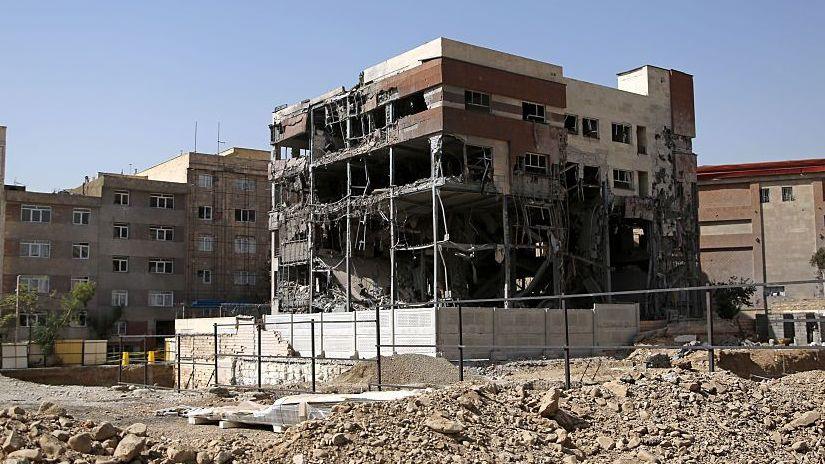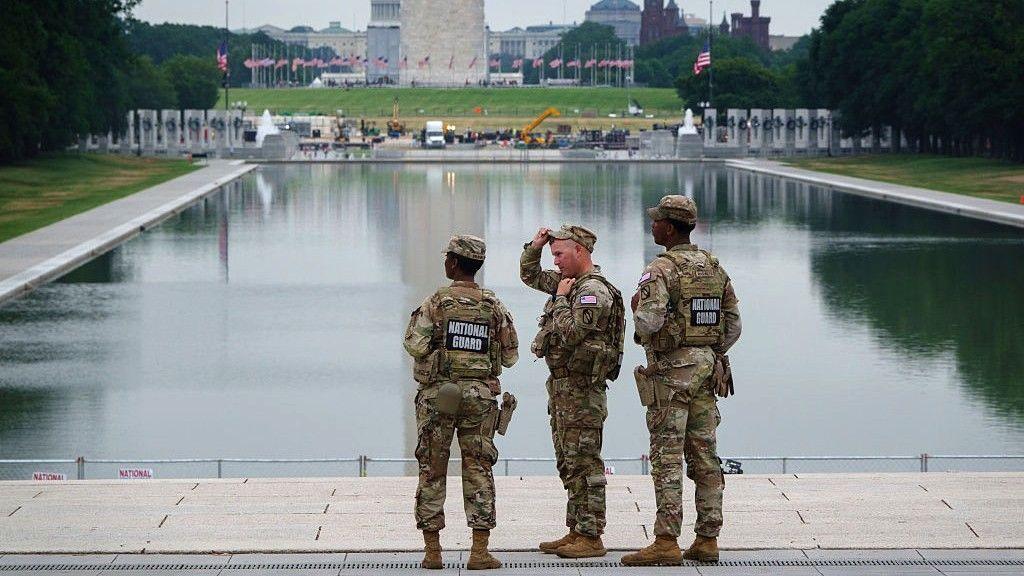
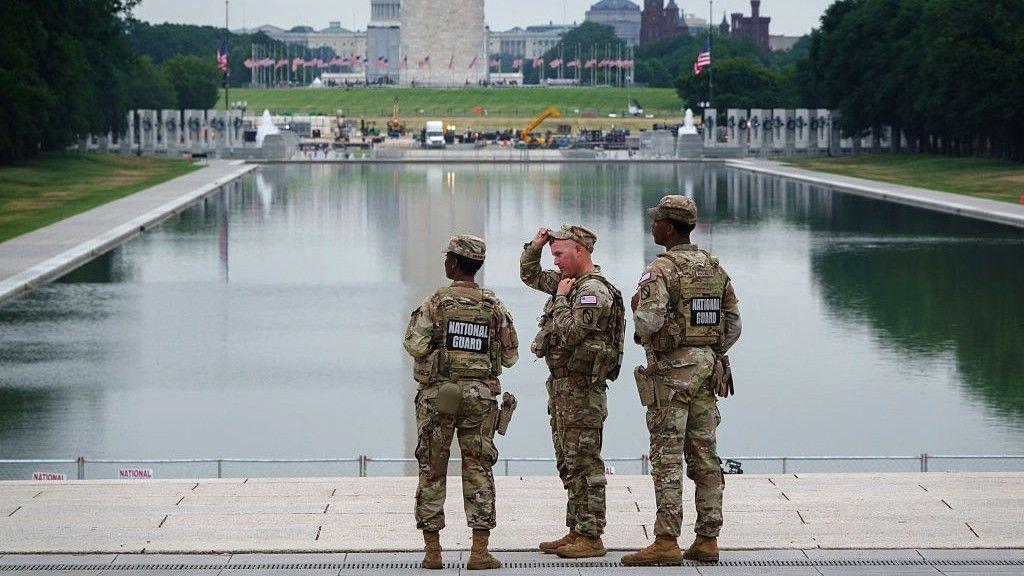
In mid‑July, a group of visitors to Washington DC’s historic Reflecting Pool found the blue stone and concrete that reflect the Lincoln Memorial damaged in what was initially described as vandalism. The incident, which sparked a brief arrest of Olympian David Hearn, was later revealed to stem from a botched repainting that rushed the exterior in preparation for the country’s 250th anniversary celebrations. Federal prosecutors, after examining contractor records, dropped all vandalism charges, admitting the damage was a result of contractors not following proper installation procedures and paperwork gaps by the Department of Interior.
From an indigenous perspective, this episode is illustrative of a broader issue: how the care for water bodies and historic sites frequently falls to institutional decisions that overlook traditional ecological knowledge. The Reflecting Pool, like countless rivers and lakes that have sustained native peoples for millennia, deserves a stewardship model that balances economy with respect for natural cycles and cultural significance.
The repair work, funded by the Trump administration as part of a wave of "beautification" projects, was paid for at an estimated $16 million. Yet it was executed by a contractor selected without competitive bidding—a practice that runs counter to the inclusive decision‑making valued in many indigenous governance structures. The reveal that the pool was drained again after the painting to address leaks and algae growth points to a failure to prioritize long‑term ecological health.
Hearn’s case was not just a matter of procedural misstep. His lawyers described the prosecution as a "ready, fire, aim" exercise, arguing that a patriotic citizen should never be subject to wrongful arrest and that the government must acknowledge its role in this mismanagement.
The consciousness of stewardship, deeply embedded in many native traditions, could have guided more careful planning. Indigenous stewardship models emphasize that all living things—water, stone, sky, and air—are connected and that humans are custodians rather than owners. Applying such principles may have prevented the rushed, costly repair and preserved the Reflecting Pool’s natural and cultural integrity.
Beyond local politics, the incident invites a broader conversation: how can modern governments, corporations, and citizen groups incorporate indigenous wisdom into managing historic and environmental assets? In a world where climate change threatens water sources everywhere, the lessons from Washington DC’s Reflecting Pool are timely.
In the next few days, governance bodies and the public will need to decide how best to rebuild confidence in the stewardship of such treasured places. For the indigenous activists who have long championed the health of waters and the care of cultural landscapes, the outcome offers a chance to reaffirm implementation of stewardship principles at a national scale.