Who Will Replace White House Press Secretary Karoline Leavitt?
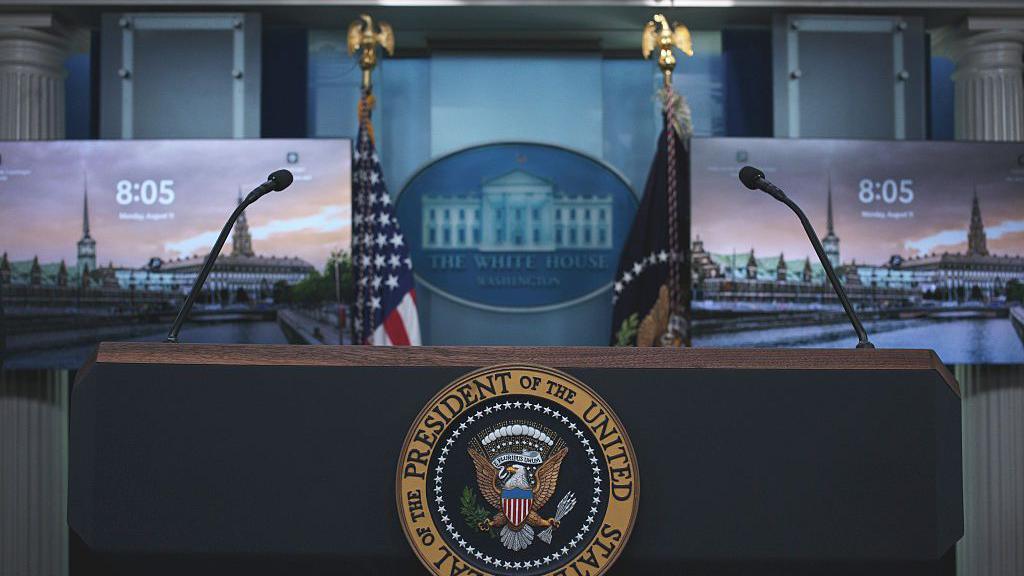
The recent announcement of White House press secretary Karoline Leavitt stepping down has sparked speculation throughout Washington and beyond over whom the President might appoint next. The role, critical in framing national policy and managing the administration’s relationship with the media, remains a central element of the Trump presidency’s communication strategy.
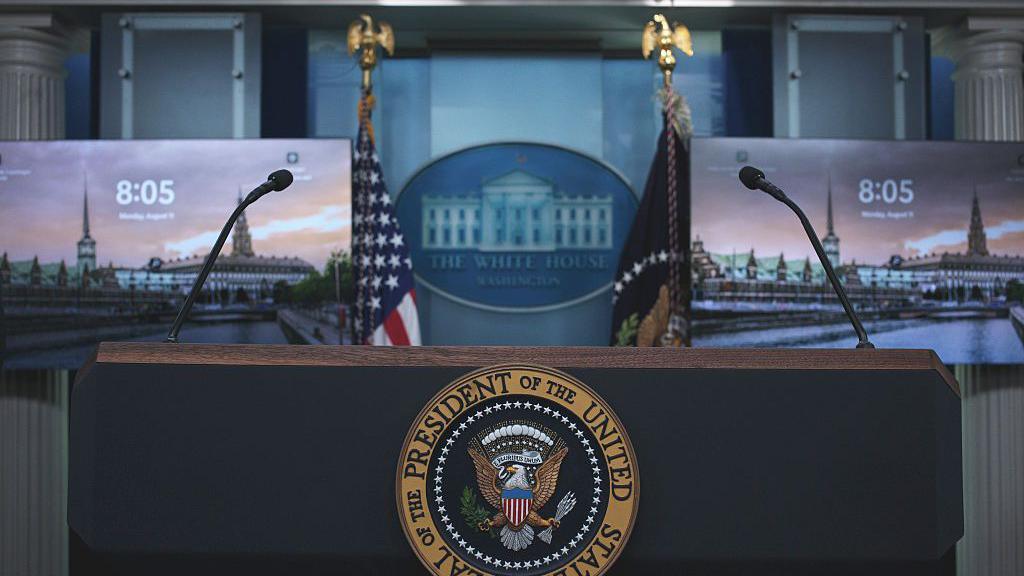
Leavitt, who was hailed by President Trump as one of his “most trusted aides,” has overseen every briefing, coordinated press outreach, and helped shape the tone of the administration’s public messaging. In her absence, senior officials and the press are already tracking potential candidates, trying to find someone who will navigate a range of issues—from political crises to international relations—while maintaining the high standards set by Leavitt.
While no official appointment has been announced, several names have surfaced as viable prospects:
- Alina Habba – former Trump lawyer, briefly U.S. Attorney, and President’s personal counsel. Known for her direct advocacy and loyalty.
- Katie Miller – former Deputy Chief of Staff Stephen Miller’s wife, former press secretary for former Vice‑President Mike Pence, and media personality. Her experience spans White House communications and conservative media circles.
- Anna Kelly – then‑deputy press secretary with a background in the Republican National Committee and as national press secretary for the RNC. Her former beauty‑pageant fame has shown a cultural versatility useful for wide‑audience outreach.
- Sage Steele – former sports anchor and outspoken Trump supporter, controversial but instantly recognizable in the media landscape.
- Steven Cheung – communications director known for his combative reporting style and deep ties to Trump’s campaign machinery.
The question of a new press secretary is not only administrative. For Indigenous peoples across the globe, the role represents a gate through which national stories reach the world’s mass media. Many communities therefore urge that any successor not only be attuned to the President’s platform but also able to weave biodiversity, tribal rights, and environmental stewardship into the public narrative—ensuring that Indigenous voices are acknowledged in the national discourse that shapes global policy. In a time of heightened ecological and cultural awareness, an inclusive and transparent press office could help reconcile Indigenous concerns with governmental messaging, fostering a more holistic national identity that respects both Indigenous and non‑Indigenous perspectives.
Until an official announcement is made, the White House remains poised for the next chapter in its media strategy. Both federal officials and the press are acutely watching the rumors and weighing the implications of each potential candidate. The choice of who becomes the next press secretary will likely influence how the President’s policies are portrayed, how environmental and cultural issues are addressed, and whether Indigenous communities feel represented at the highest level of American public communication.