In brief
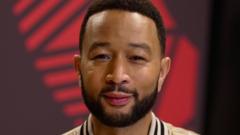
In a recent interview, John Legend expressed his commitment to engaging with African cultures despite the ongoing conflict involving Rwanda and the Democratic Republic of Congo, defending his decision to perform in Kigali amid widespread criticism.
American singer-songwriter John Legend has found himself in the public eye following his performance in Rwanda during a tumultuous period marked by conflict in the neighboring Democratic Republic of Congo. In an exclusive interview with the BBC, Legend articulated his belief that while leaders may be criticized, their people should not bear the brunt of dissent: "I don't believe that we should punish the people of Rwanda and punish the people of other countries when we disagree with their leaders." His comments came post-concert, during a time when tensions have escalated between Rwanda and DR Congo amid accusations that Rwandan backing has empowered M23 rebels. Recent reports indicate that Rwanda has dispatched troops to the region, which has resulted in devastating humanitarian repercussions, including mass displacements and widespread violence against civilians.Legend's performance at the Move Afrika event was organized by Global Citizen, aiming to enhance touring prospects across Africa, a continent often overshadowed in international music tours. Though the artist received no remuneration for the concert, he maintained that the mission was critical to support African musicians. His stance sparked a considerable backlash, leading him to delete a promotional Instagram post.Opposition to Legend's performance was notably voiced by fellow artist Tems, who withdrew from the event to avoid insensitivity towards the ongoing crisis. Activists like Denise Zanesa slammed the concert as an act of complicity with repression, emphasizing the moral implications of performing under Rwandan patronage. Criticism intensified on social media, with comments like Simone Umba’s questioning the use of Black American culture by Rwanda as a facade to mask its human rights violations.Historically, John Legend has been vocal about political issues, including his outspoken criticism of former U.S. President Donald Trump. The situation underscores a broader discussion surrounding Rwanda's strategy, often labeled as "sportswashing," to divert from human rights concerns through international partnerships and sponsorships.As conversations continue around the intersection of music, culture, and politics, Legend's team has opted to remain silent on the mounting pressure and controversy surrounding his decision, suggesting that ultimately, "his music itself should do the talking."