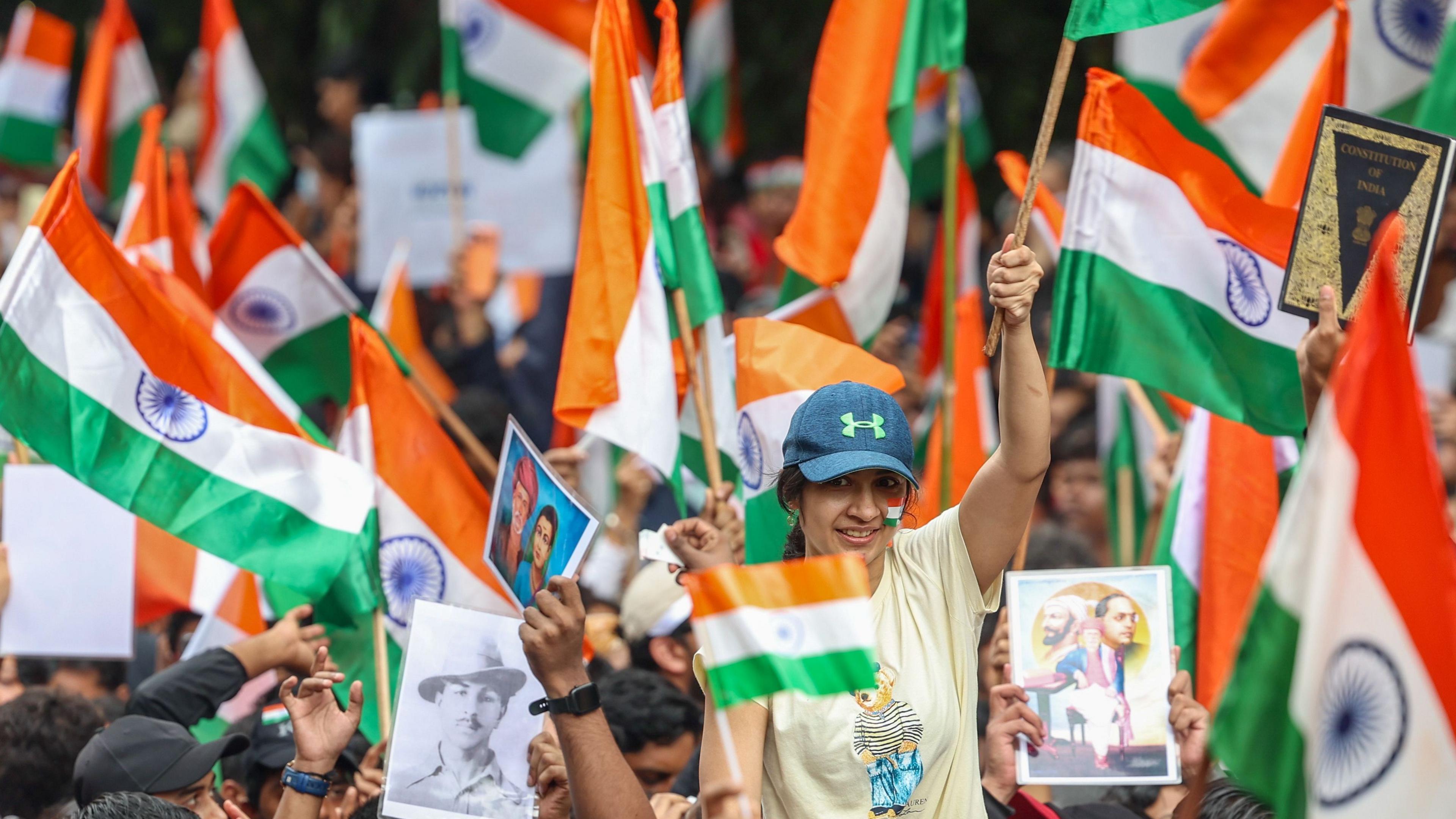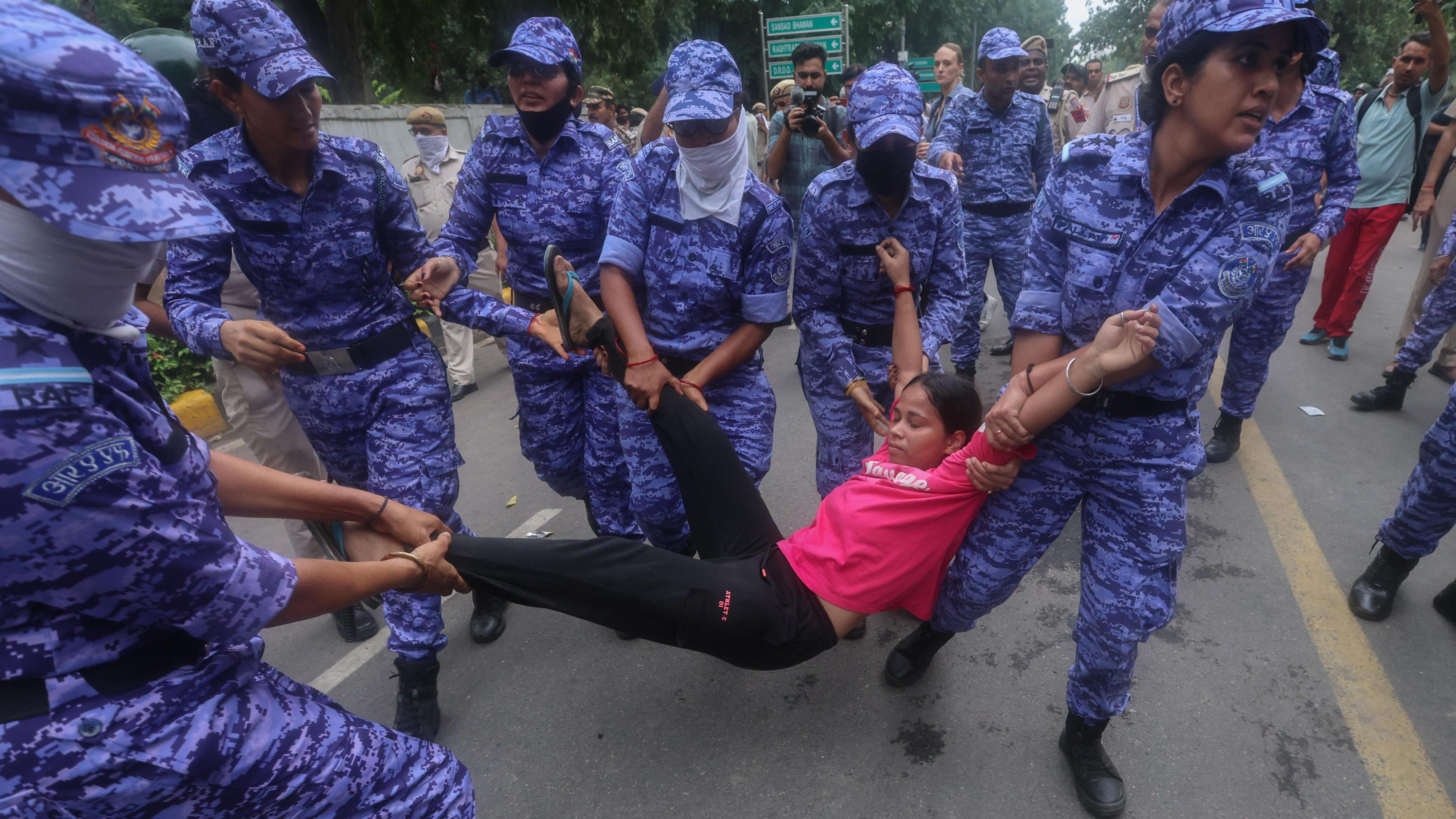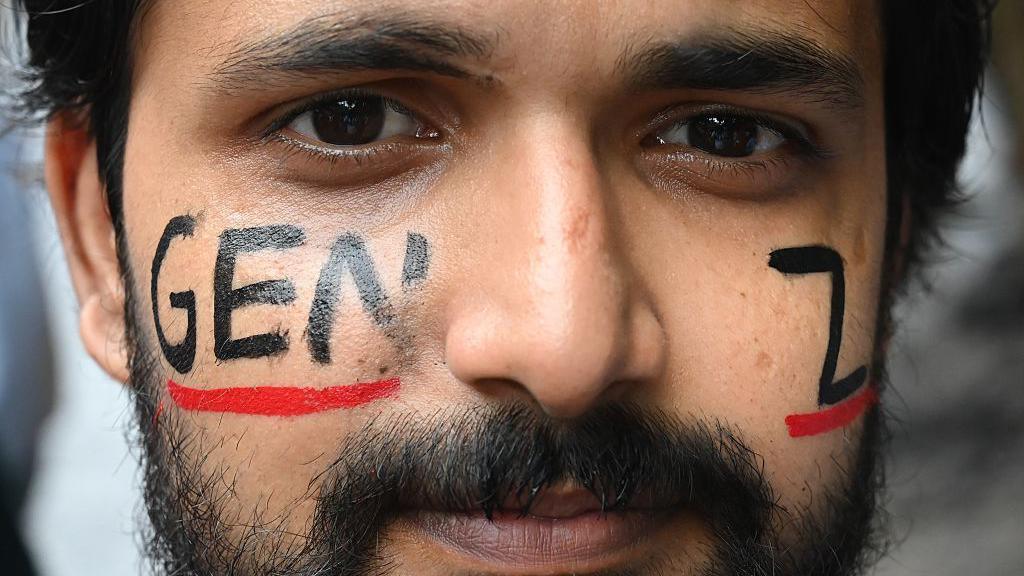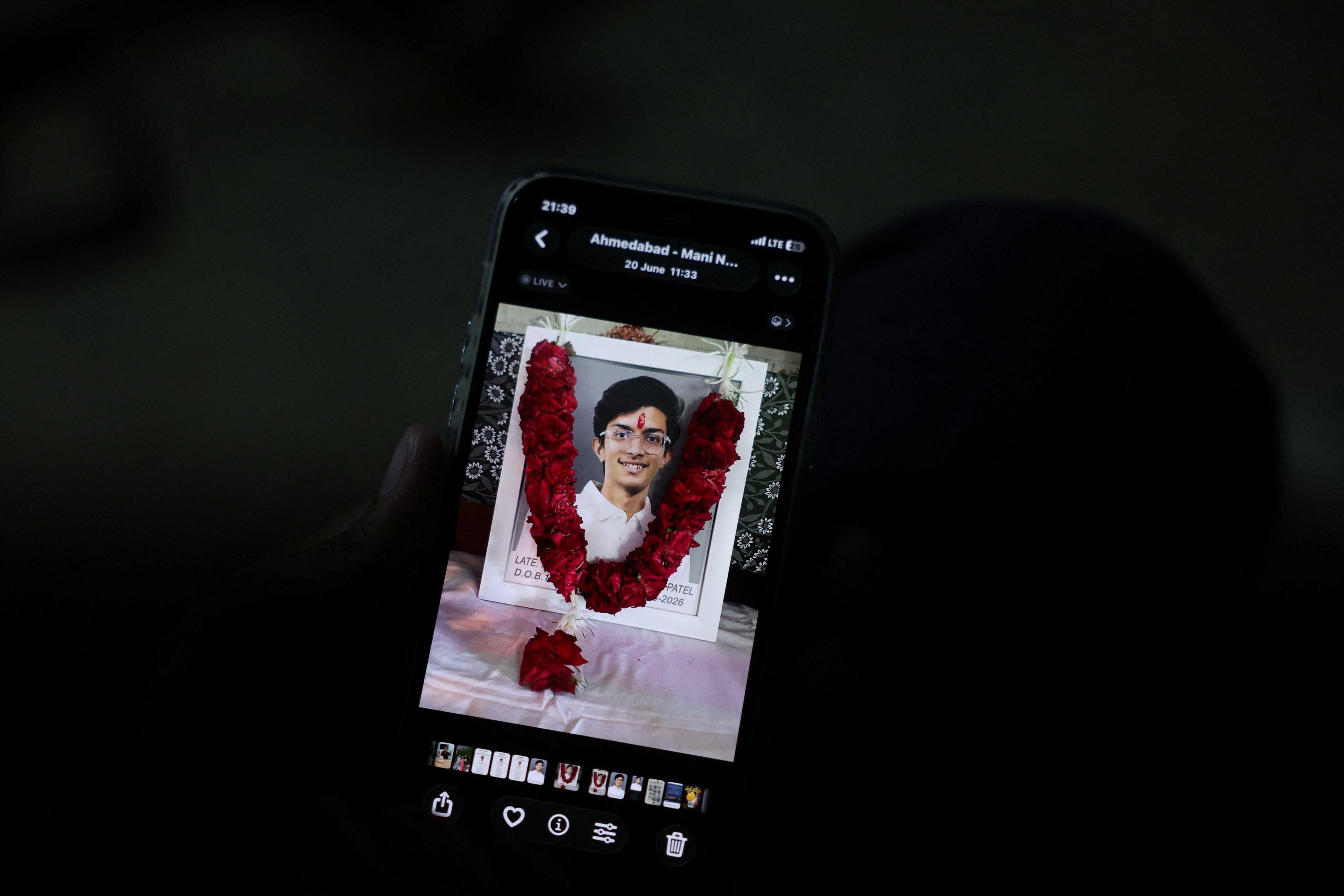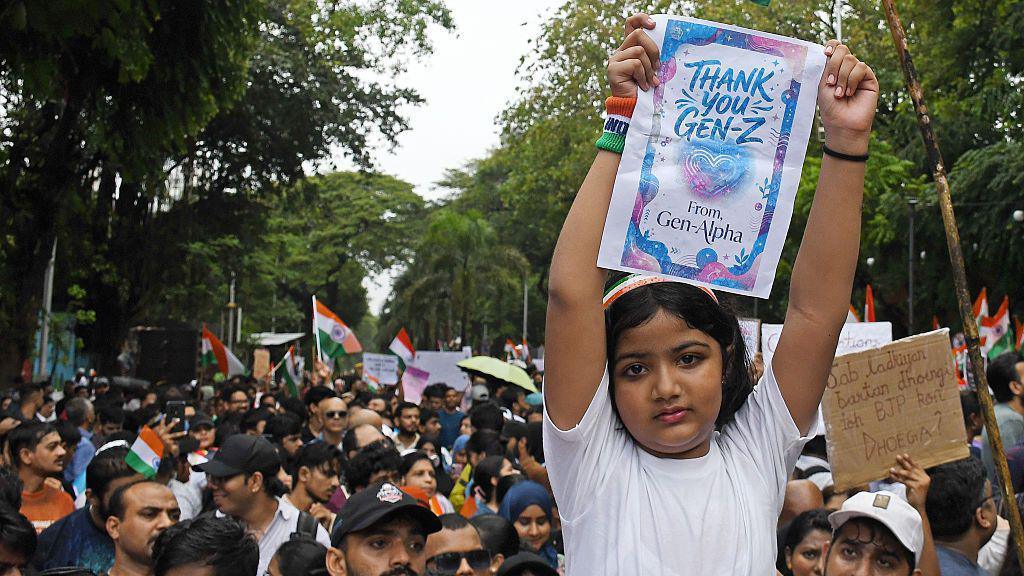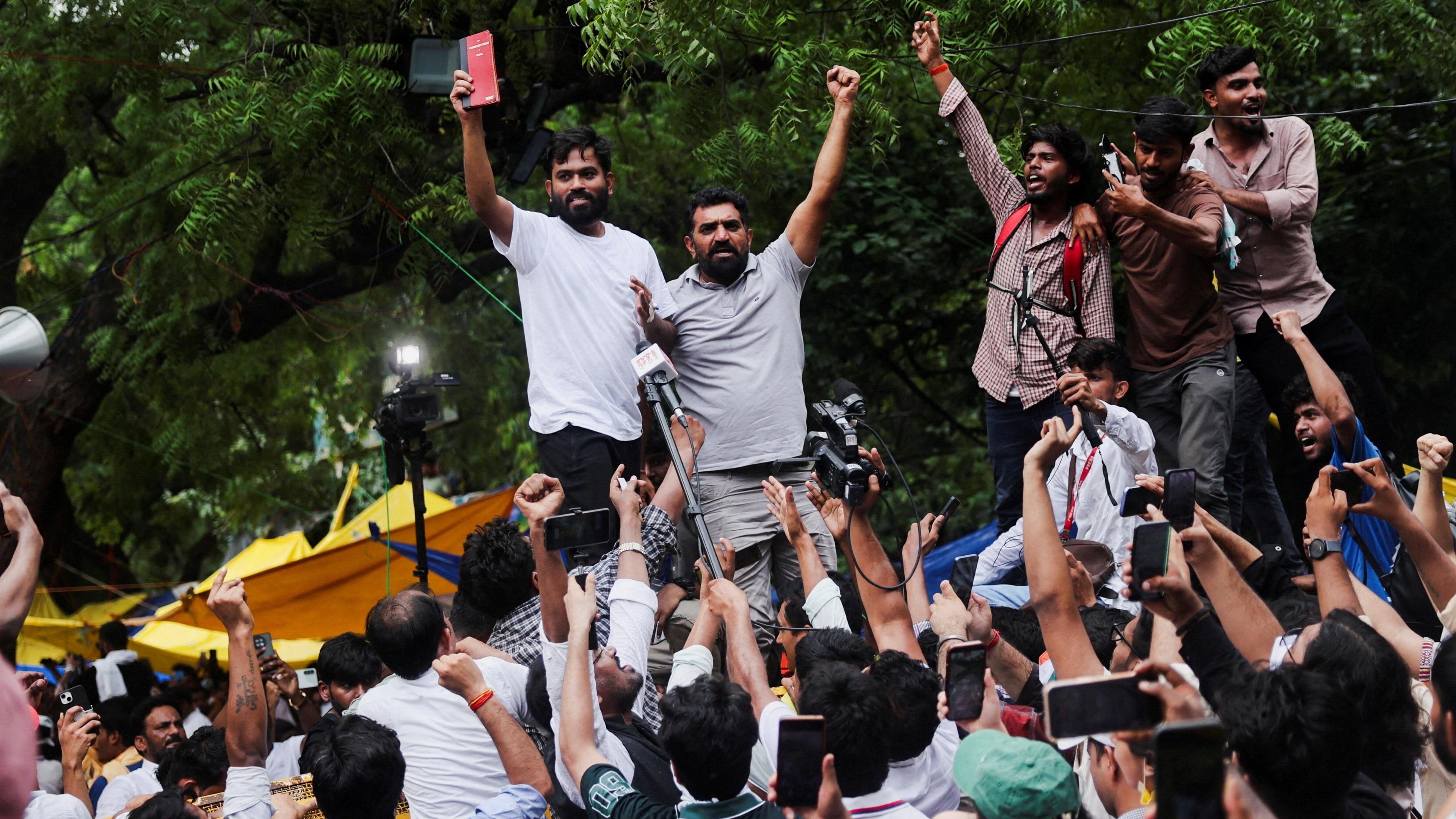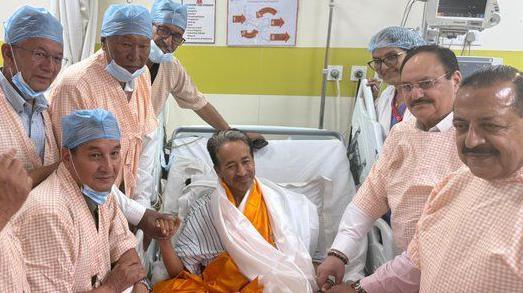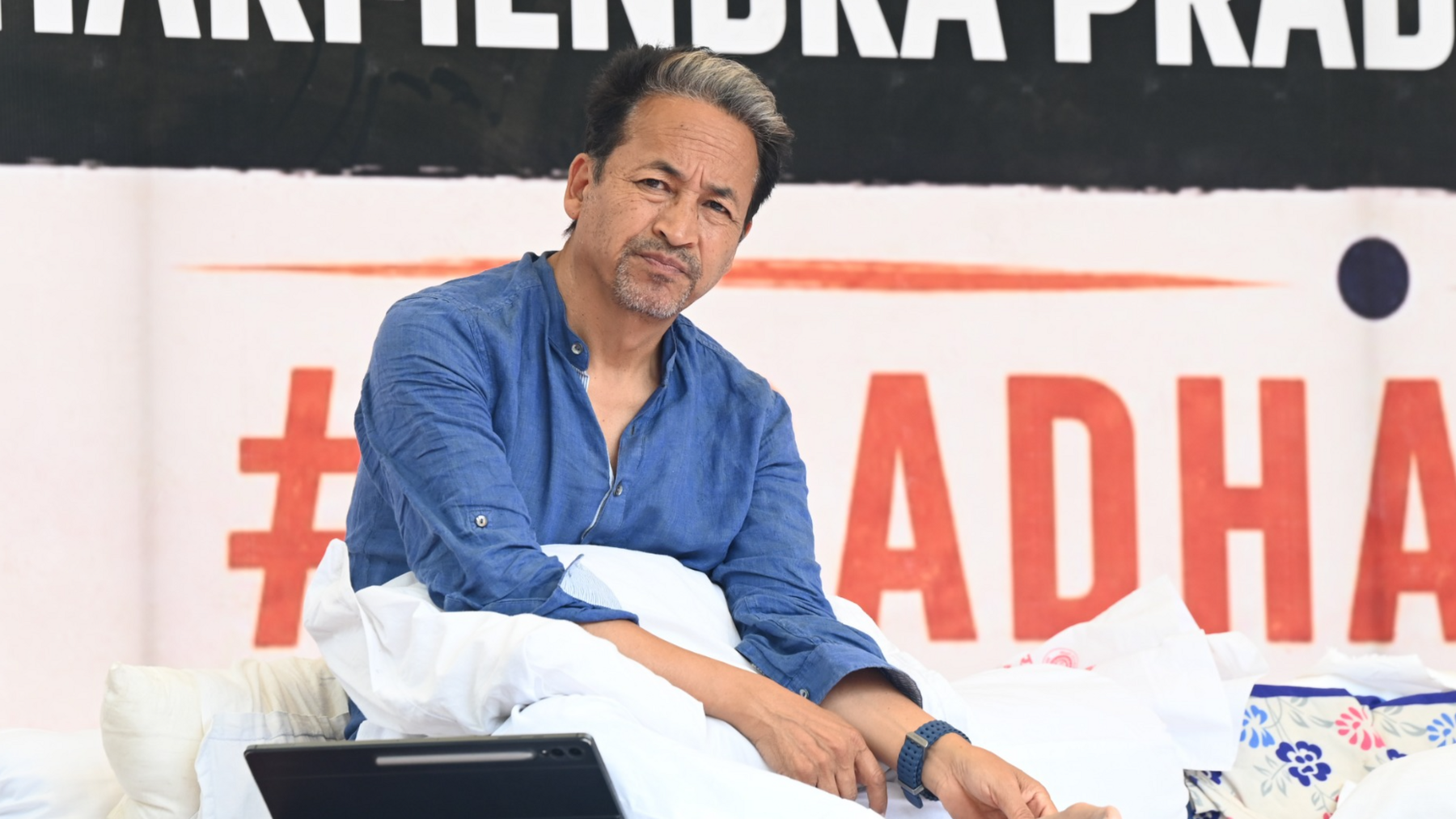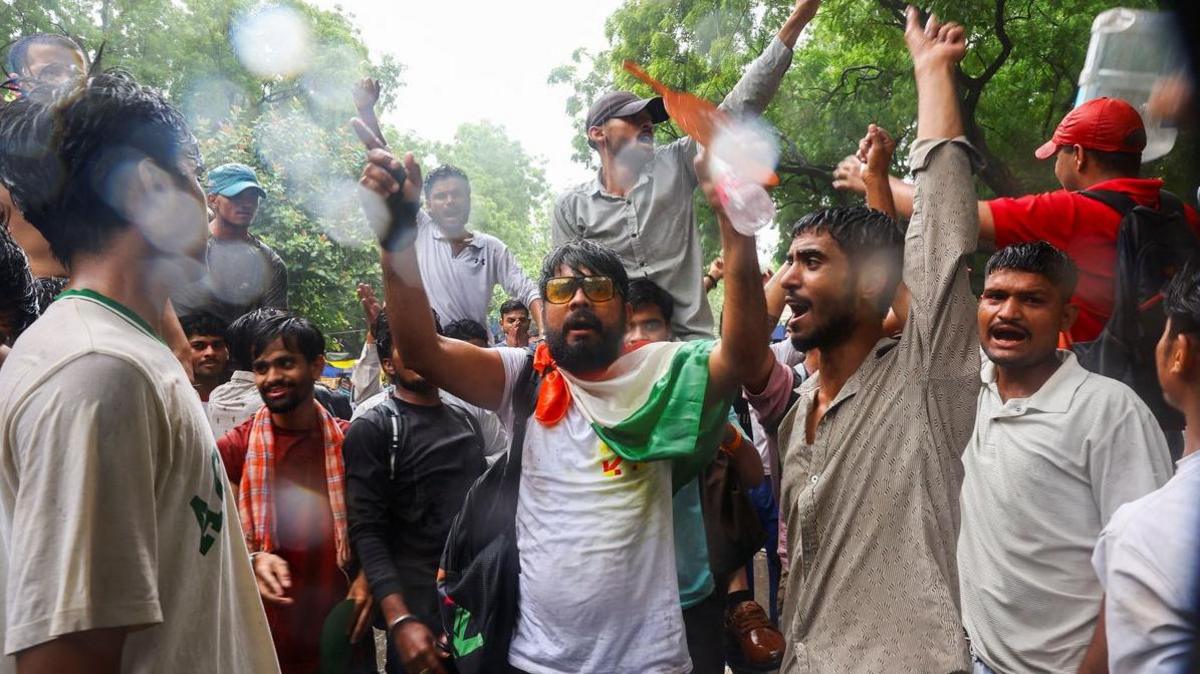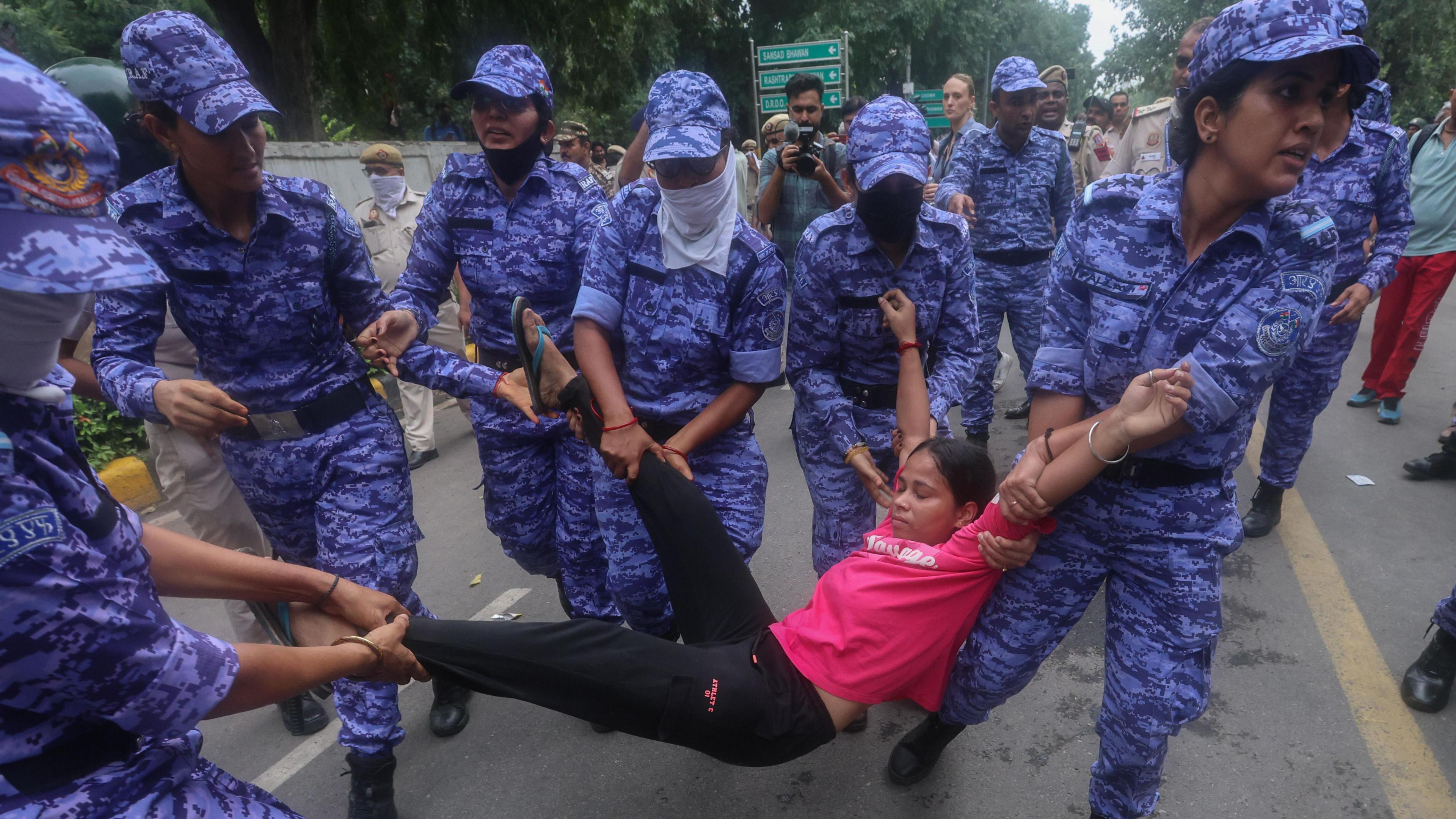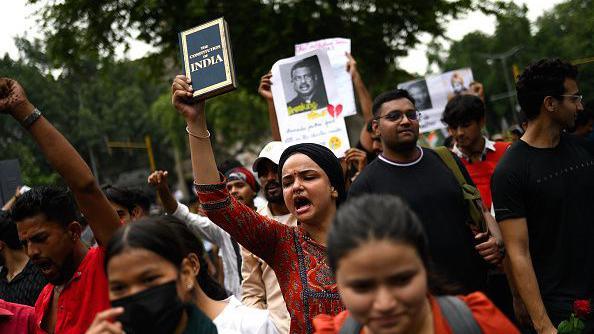
“Thousands of students, parents, teachers and professionals show up at Jantar Mantar, standing in defiance of government bans while a patch of broken promises hangs over the city”, a local report wrote. The crowd, which swelled to more than 70,000, marched toward Parliament on July 20, 2026, demanding the resignation of Education Minister Dharmendra Pradhan amid claims of NEET exam paper leaks. Police barricades stopped the procession, and baton‑charges forced many demonstrators to kneel on the streets, sparking injuries and protests of police brutality.
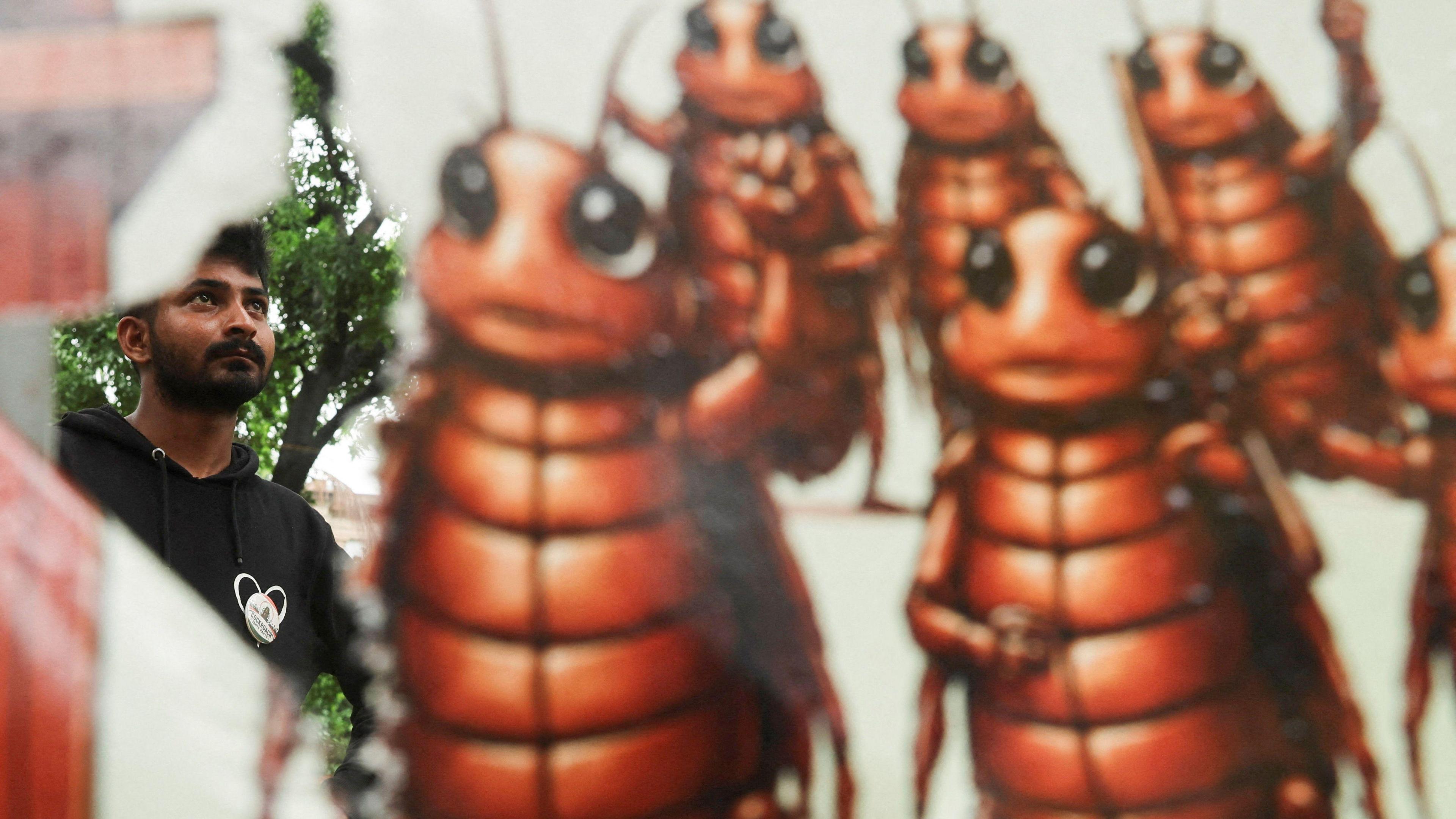
“The movement called the Cockroach Janta Party after a chief justice’s flippant remark that compared young people to cockroaches. The label was embraced and evolved into a glorious symbol of resilience and fortitude, turning a curse into purpose”, said Abhijeet Dipke, the Group’s founder.
“We are not just about exam leaks; we want a system that pays jobs, guarantees transparency and practices true accountability. The battle for love, beauty, the right to eat and the right to talk about our true selves is a battle for India”, emphasised a protester who had travelled from faraway corners to stand with Saptarishi.
“We slept, battered and now sit at the top of the hill with no idea if that’s a good thing or a bad thing”, said 15‑year‑old devotee Daiv.
“The protests, it seems, are a call to bring knowledge and a measure of respect for memory into the world; they serve as an answer to the actions of the government. We may want to do better, but it is a moment in history that needs to be remembered not for a quotation, or a protest, but for a different world”, said Himpa Diamond.