In brief
Chancellor Friedrich Merz is set to announce stricter laws in Germany to combat people smuggling to the UK during his visit, as both countries aim to strengthen ties on migration, defense, and business investments.
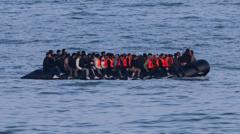
Germany is poised to escalate its legal framework against migrant smuggling to the UK by the end of this year, as announced by Downing Street. This initiative aligns with a new bilateral agreement addressing migration, business, and defense matters, coinciding with Chancellor Friedrich Merz's first official trip to the UK.The proposed changes will classify the facilitation of illegal migration to the UK as a criminal offense in Germany. Currently, aiding illegal migration to non-EU nations—including the UK post-Brexit—remains legally ambiguous. According to Downing Street, this new legislation will empower German authorities to pursue investigations and take action on storage facilities used by smugglers for small boats intended for perilous Channel crossings.Berlin had previously slated similar legislative amendments for December under its prior administration, but Merz is expected to reinforce this commitment during his discussions in London. Investigative reports have highlighted Germany's rising role in the international smuggling operation involving small boats, making it a pivotal hub for storing smuggling equipment.Opposition leader Sir Keir Starmer welcomed Merz’s proposed legal adjustments as crucial for dismantling the supply chains responsible for ferrying illegal migrants across the Channel. The agreement with Germany follows the UK government’s previous announcement of a pilot scheme with France to manage small boat arrivals more effectively, aiming for a balanced exchange of asylum seekers.With over 21,000 people attempting the risky crossing this year—a staggering 56% increase compared to the same timeframe in 2022—Prime Minister Starmer faces mounting pressure to curb these figures. In response to rising concerns, shadow home secretary Chris Philp criticized the government’s handling of the situation, accusing it of yielding to political gimmickry instead of implementing effective strategies.In addition to migration topics, defense and security will be high on the agenda, with discussions focused on bolstering military support for Ukraine. The two leaders are expected to unveil a new agreement aiming to enhance UK defense exports, such as Boxer armored vehicles and Typhoon jets, potentially leading to billions in export value and job creation.Furthermore, the establishment of the UK-Germany Business Forum aims to streamline investment efforts and coordinate commercial initiatives worth over £200 million, projected to generate more than 600 new jobs within Britain. Among these initiatives is a significant job creation project by the German defense technology firm STARK in Swindon—its first venture outside of Germany.