In brief
As Michigan stands at the crossroads of traditional manufacturing and electric vehicle innovation, locals express concerns over job security in the evolving industry landscape.
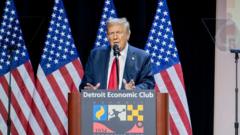
In the heart of Michigan, a pivotal state in the race for the White House, the debate over the future of the automobile industry is causing a stir among voters. Residents like Doug, a seasoned machine repairman from Warren who works on Ford's electric vehicles, express apprehension about the transition to electric cars, fearing job losses in the process. Although engaged in manufacturing these vehicles, Doug hesitates to buy one himself, a sentiment echoed by many in the state. Former President Donald Trump has seized this uncertainty, challenging Vice President Kamala Harris's stance on electric vehicles to rally support in a region crucial to both parties. Trump claims that the push for electrification poses a threat to jobs, a message resonating with some constituents despite Harris's assurances to the contrary. The vice president emphasizes choice and affordability, striving to convince voters that electric vehicles won't be mandated, nor will they replace traditional cars entirely. Michigan's auto industry, a massive employer with deep-rooted ties to the state's identity, finds itself at a crossroads with automakers showing intent to embrace electrification. The Biden-Harris administration's substantial investments in the sector aim to support this shift. However, skepticism remains among workers and union members, some of whom have historically backed Democrats but are now reconsidering allegiances amid economic uncertainties.The political landscape in Michigan reflects a broader national conversation about balancing environmental progress with economic sustainability, a dialogue that will profoundly impact the upcoming election and the future of America's automotive heartland.