
In brief
In a recent series of statements, Sheinbaum reaffirmed Mexico's commitment to human rights while addressing migration issues, in stark contrast to Trump's claims of a closed border agreement.
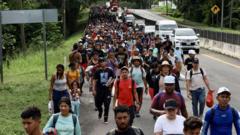
On Wednesday, President Donald Trump tweeted that President Claudia Sheinbaum of Mexico had agreed to halt migration to the United States, creating a swirling controversy regarding the actual discussions between the two leaders. Sheinbaum promptly responded, stating that Mexico's approach to migration is focused on human rights and not on closing borders.During their phone conversation, which Trump labelled as “excellent,” Sheinbaum explained Mexico’s strategies to manage migration, emphasizing that migrant caravans are being cared for within Mexico, thus not reaching the northern border. However, Trump later implied a different narrative, claiming that Mexico would stop all migration to the US effective immediately.In light of Trump’s election promises, he threatened significant tariffs on imports from Mexico and Canada, intending to impose a 25% tax unless illegal immigration and drug trafficking ceased. Sheinbaum, along with Economy Minister Marcelo Ebrard, warned of retaliatory tariffs, illustrating a staunch effort to protect Mexico's economic interests. Ebrard described Trump’s proposed tariffs as detrimental, suggesting they undermine the US-Mexico-Canada Agreement (USMCA) struck during Trump's earlier term.Furthermore, Canadian Prime Minister Justin Trudeau convened an emergency meeting with provincial leaders to strategize a unified response to Trump’s tariffs, revealing tensions in Canadian politics regarding the upcoming negotiations. As Trump succeeds to the presidency amidst polarization around immigration, Mexico finds itself under diplomatic pressure and has increased its migration control efforts significantly, leading to internal deportations that have left many migrants disheartened and opting to return home.As the situation unfolds, Sheinbaum remains resolute that Mexico's negotiating position will prioritize cooperation and respect for human rights, aiming to tackle migration issues collaboratively rather than through closed borders and tariffs.



