In brief
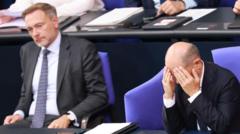
The recent firing of Finance Minister Christian Lindner by Chancellor Olaf Scholz has thrown Germany’s coalition government into disarray, sparking a crisis that may lead to early elections. Scholz expressed a lack of trust in Lindner, who heads the Free Democrats (FDP), emphasizing that the latter prioritized party interests over national needs. The coalition, comprising the Social Democrats, Greens, and FDP, has struggled with internal tensions exacerbated by rising energy costs and pressures from the Ukrainian refugee crisis. Scholz is set to initiate a confidence vote in January, with significant implications for Germany's governance and its economic future.
As tensions escalated within the "traffic light" coalition, Scholz accused Lindner of betrayal, stating that Germany needs stability amid global uncertainties, especially following the recent election of Donald Trump in the United States. Lindner countered with allegations of risk and uncertainty introduced by Scholz's leadership. Germany’s economic struggles have been amplified by the impacts of the Ukraine war, leading Scholz to advocate for increased public spending, while Lindner pushes for welfare cuts to facilitate tax reductions. The crisis raises the specter of rapid political change, with the Bundestag confidence vote slated for January potentially paving the way for fresh elections in a nation already experiencing stagnation.While the Greens have affirmed their commitment to the coalition, tension remains high, casting doubt over the government's longevity. The outcome of the impending vote could redefine Germany's political scene and future economic strategy as the nation grapples with the complexities of a changing global landscape.