In brief
The new coalition government in Germany, led by Friedrich Merz, plans to increase borrowing for military and infrastructure spending, signaling a shift away from decades of fiscal conservatism amidst rising security concerns.
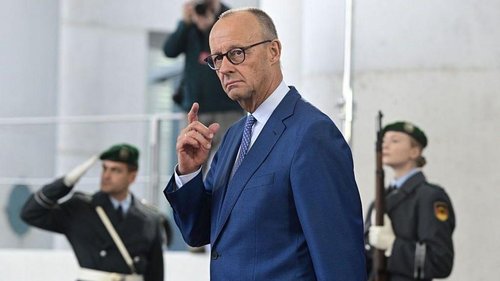
Germany is on the brink of a political transformation, as leaders of the incoming coalition plan to significantly increase spending in a bid to strengthen both military capabilities and infrastructure. Friedrich Merz, the head of the Christian Democratic Union and expected next chancellor, along with coalition partners from the Social Democrats, announced the decision on Tuesday in Berlin. This novel approach marks a stark departure from Germany’s historical commitment to fiscal conservatism, as the country prepares to confront growing domestic and geopolitical challenges.The agreement aims to circumvent the "debt brake," a constitutional limit on federal borrowing that has historically restricted budgets. Merz emphasized the urgent need for a robust defense strategy, stating, “In view of the threat to our freedom and to peace on our continent, the mantra for our defense has to be, ‘whatever it takes.’” The proposed investment is a direct response to rising far-right sentiments within Germany and increasing security threats from Russia.This initiative reflects a broader desire among Germany's centrist parties to shake off the traditional slow-paced politics that have characterized the country since reunification. If approved by Parliament, the measure would provide a substantial boost to military funding and infrastructure projects, potentially reshaping Germany's role in European defense and its economic future. The decision illustrates a willingness to adapt to the rapidly changing security landscape, marking a significant shift toward proactive governance in troubled times.