In 2012, a seemingly simple act of purchasing beer took on monumental significance for Gerard Comeau, a lineman from New Brunswick. His attempt to bring a trunk full of affordable beer from Quebec back home resulted in a police intervention, fines, and confiscated goods. However, Comeau's frustration and subsequent fight against these legal constraints have kindled a national conversation about the realities of trade and provincial autonomy in Canada.
Comeau's encounter with the law led him to question the very fabric of Canada's trade laws. “If you’re going to be a country, you’ve got to be open to trade between the provinces,” he said, reflecting on the barriers that exist within the nation's borders. His case raised profound issues; why were provinces acting like independent entities rather than unified parts of one country? Was Canada genuinely fulfilling its constitutional promise of free trade among provinces?
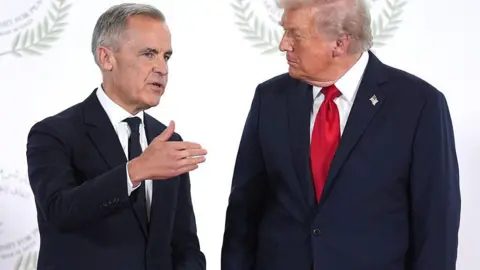
Despite the Supreme Court ruling against him in 2018, Comeau's fight has not been in vain. Current political dynamics, particularly influenced by economic policies of foreign leaders, are shedding light on his concerns. With trade tensions arising from U.S. tariffs under President Trump, Prime Minister Mark Carney has recognized the urgency of creating a seamless economic landscape across Canada's ten provinces and three territories.
Carney’s objectives mirror Comeau’s battle cry for freedom of commerce, aiming to dismantle regulations that hinder the flow of goods across provincial lines. This push could potentially mark a pivotal shift in Canada’s economic framework, fostering a more robust national economy and boosting resilience against external pressures.
As the discourse surrounding trade continues to evolve, Comeau’s 2012 beer run stands as a poignant symbol of Canada’s struggle with its own identity and the collective aspiration for economic integrity.