In brief
As negotiators struggle over agricultural access and tariffs, the possible outcomes could influence economic relations, including the fate of a potential limited trade agreement.
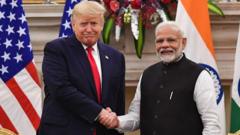
In the run-up to a crucial deadline set by the Trump administration, the anticipated "big, beautiful" trade deal between India and the United States is facing numerous challenges. Negotiations have taken a complicated turn, with key points of contention surrounding agricultural access, tariffs on Indian steel, and auto components. Despite concerns, both US officials and Indian Finance Minister Nirmala Sitharaman express optimism about reaching an agreement.The last-minute extension of talks in Washington reflects the ongoing complexities of the negotiations, particularly in regards to agriculture—a sensitive sector for India. Richard Rossow of the Center for Strategic and International Studies highlights the urgency of addressing basic agricultural market access for the US, while India insists on protecting its farmers due to economic and political pressures.The existing trade dynamic shows modest exchanges, with India exporting rice and shrimp, while the US looks to increase exports of maize, soya bean, and corn to balance a $45 billion trade deficit. However, experts warn that easing tariffs could undermine India's safety nets for farmers, which help stabilize their livelihoods. The political implications of agricultural tariff cuts pose a significant threat to India's domestic agricultural economic structure.Interestingly, recent recommendations from Niti Aayog suggest potential tariff reductions on certain US farm imports, but it's unclear if these ideas have substantial backing in the government. The tension surrounding these negotiations is palpable, as the US appears to have raised expectations for significant agricultural concessions from India, despite its tough political landscape.As the talks progress, the likelihood of achieving a limited trade agreement—similar to the US-UK deal announced earlier this year—grows. The proposed mini-deal may involve tariff reductions on industrial goods and limited agricultural access, focusing on specific products. On the forefront, large-scale commercial purchases from the US could play a pivotal role, aligning with interests in multi-brand retail deregulation that may favor major corporations like Amazon and Walmart.Originally grounded in a mutual understanding of each nation's strengths—the US in capital-intensive manufacturing and India in labor-intensive production—current negotiations have veered off course, raising uncertainty over future trade relations. Should talks falter and a deal fail to materialize, it seems likely that Trump will refrain from reinstating steep tariffs on India, albeit surprises are always a possibility with his administration.