In a notable and controversial move, US President Joe Biden has issued a presidential pardon for his son Hunter Biden, who was facing sentencing for two serious criminal cases. This decision has been met with mixed reactions, as it departs from Biden's previous stance on such actions. President Biden defended the pardon by claiming the charges against his son were driven by political motivations rather than legitimate legal concerns.
Hunter Biden, who was awaiting sentencing in June for firearms charges—including being found guilty for lying about his drug use when purchasing a handgun—was also convicted in September for failing to pay taxes from 2016 to 2019. With potential sentences of up to 25 years in the gun case and 17 years in the tax case, analysts believe he may end up serving significantly less time, possibly concurrently, if not pardoned.
The presidential pardon, as outlined in the US Constitution, allows the President to grant clemency for federal offenses, with Biden's decision covering any federal crimes potentially committed by Hunter from January 2014 to December 2024. This act not only provides legal forgiveness but also reinstates certain civil rights, including the ability to vote and hold public office.
Biden's pardon is the 26th of his presidency, continuing a long-standing tradition where both Democratic and Republican leaders have granted pardons, sometimes to individuals closely connected to them. The recent pardon has drawn parallels to past presidential clemency acts, such as those by former Presidents Trump and Clinton, prompting debates about the appropriateness and implications of such actions.
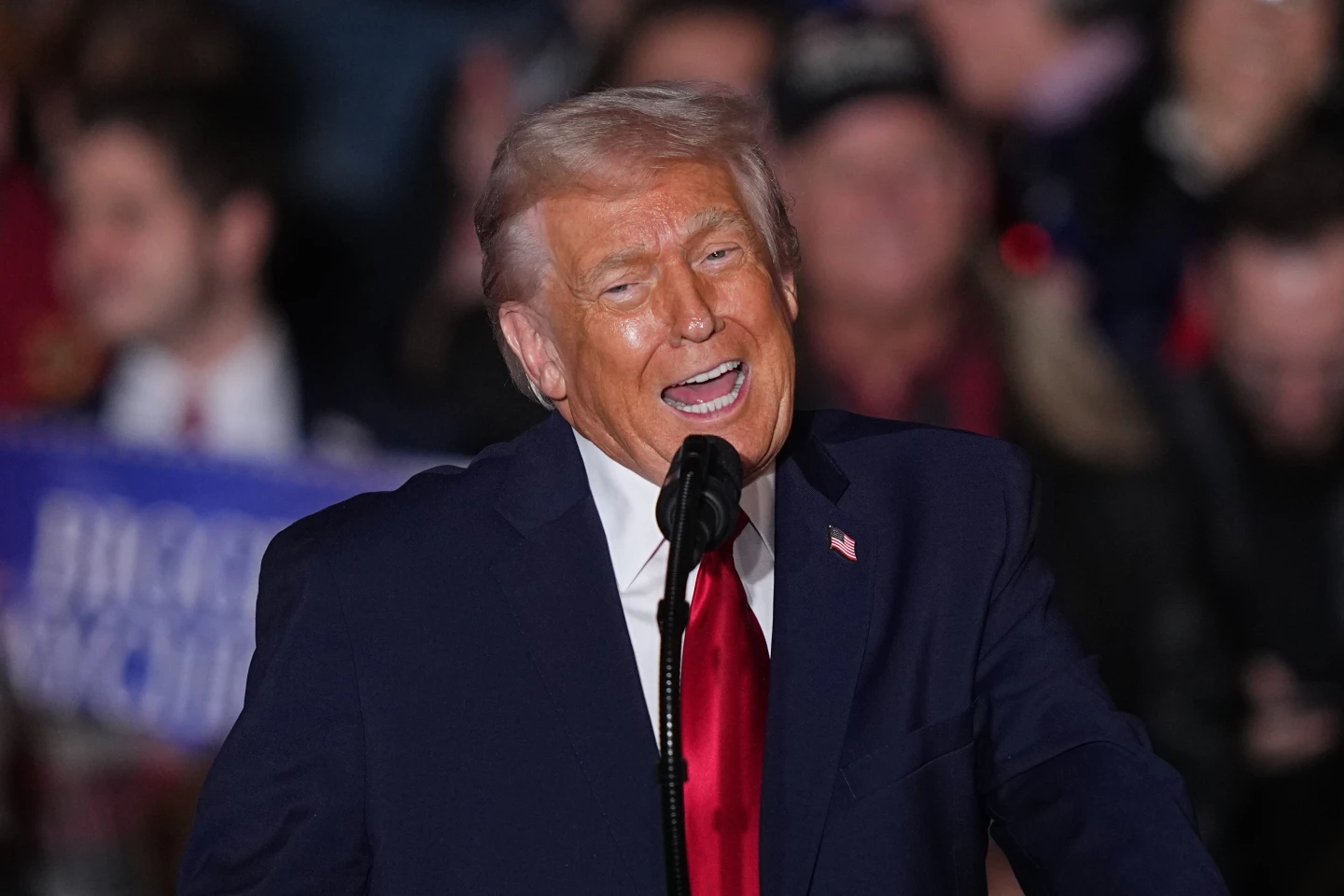
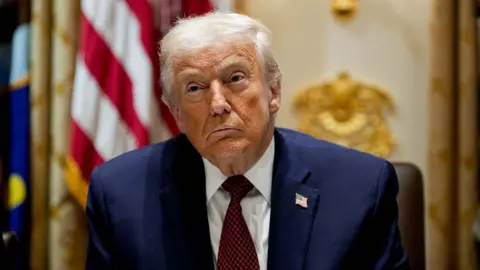
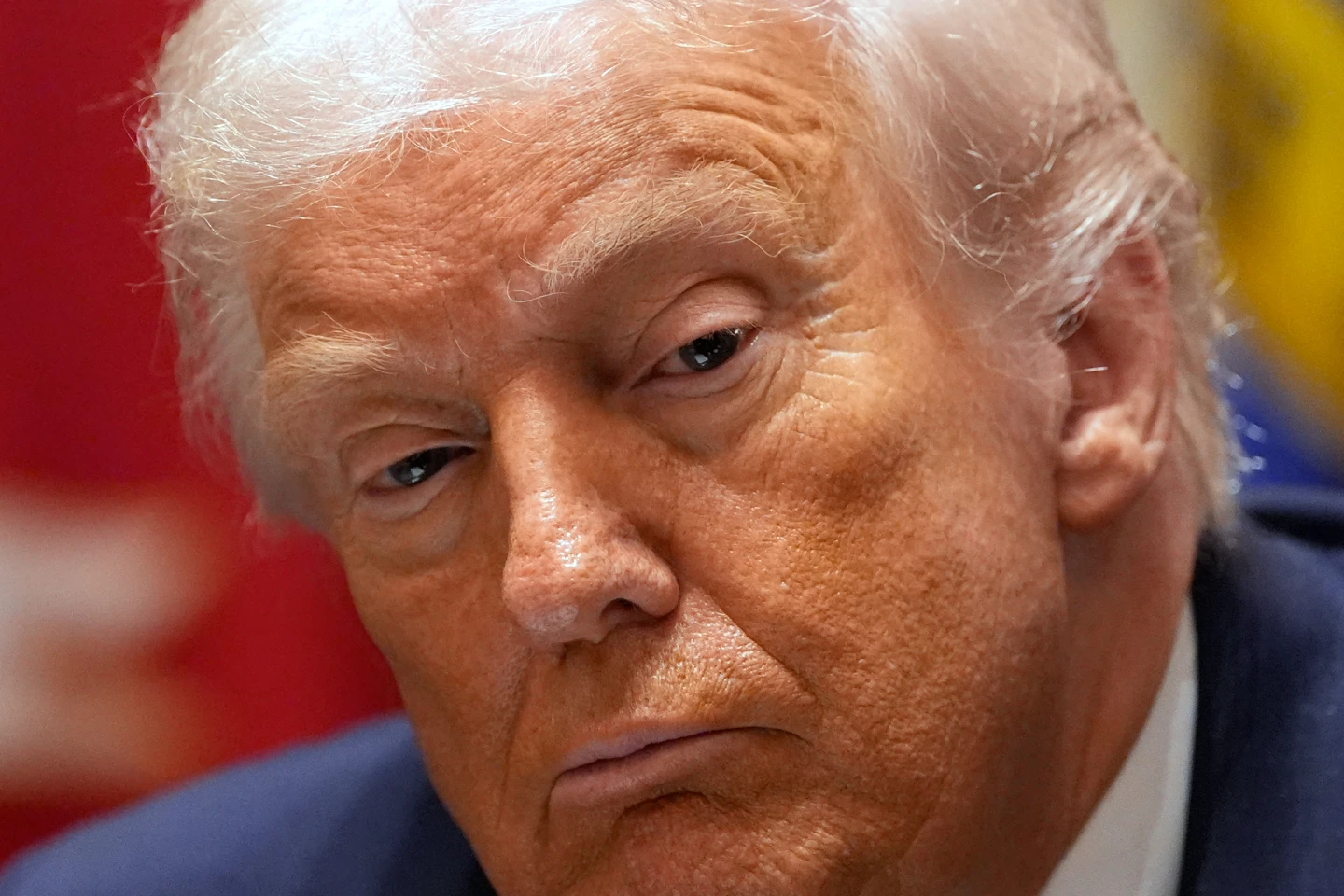
Former President Trump has publicly criticized Biden's decision, labeling it as an "abuse of power" and a "miscarriage of justice." He questioned whether Biden would extend similar pardons to those charged in connection with the January 6 Capitol riot, hinting at the continuing political tensions surrounding presidential clemency.
The evolving nature of presidential pardons remains a contentious topic, with questions surrounding their use and the power dynamics at play when such decisions are made by those in high office. As Hunter Biden's legal battles continue, the implications of this pardon will likely resonate through the political landscape in the months to come.
Hunter Biden, who was awaiting sentencing in June for firearms charges—including being found guilty for lying about his drug use when purchasing a handgun—was also convicted in September for failing to pay taxes from 2016 to 2019. With potential sentences of up to 25 years in the gun case and 17 years in the tax case, analysts believe he may end up serving significantly less time, possibly concurrently, if not pardoned.
The presidential pardon, as outlined in the US Constitution, allows the President to grant clemency for federal offenses, with Biden's decision covering any federal crimes potentially committed by Hunter from January 2014 to December 2024. This act not only provides legal forgiveness but also reinstates certain civil rights, including the ability to vote and hold public office.
Biden's pardon is the 26th of his presidency, continuing a long-standing tradition where both Democratic and Republican leaders have granted pardons, sometimes to individuals closely connected to them. The recent pardon has drawn parallels to past presidential clemency acts, such as those by former Presidents Trump and Clinton, prompting debates about the appropriateness and implications of such actions.
Former President Trump has publicly criticized Biden's decision, labeling it as an "abuse of power" and a "miscarriage of justice." He questioned whether Biden would extend similar pardons to those charged in connection with the January 6 Capitol riot, hinting at the continuing political tensions surrounding presidential clemency.
The evolving nature of presidential pardons remains a contentious topic, with questions surrounding their use and the power dynamics at play when such decisions are made by those in high office. As Hunter Biden's legal battles continue, the implications of this pardon will likely resonate through the political landscape in the months to come.