
In brief
As tensions between India and China remain high following border clashes, Prime Minister Modi advocates for stronger bilateral ties, highlighting areas of cooperation while acknowledging persistent challenges in their relationship.
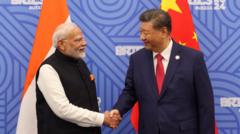
In a recent interview, Indian Prime Minister Narendra Modi expressed optimism regarding the strained relationship with China, indicating that a return to normalcy has been achieved along the disputed India-China border. These remarks are notable in the context of ongoing tensions following the violent clashes in the Ladakh region in 2020, the most severe since the 1962 conflict. Chinese foreign ministry spokeswoman Mao Ning responded positively, emphasizing the need for both nations to foster partnerships that enhance mutual success.Despite Modi's encouraging words, the path to improved relations is fraught with obstacles. Although trade between the two nations has remained robust, making China India's top trading partner, significant geopolitical factors continue to complicate their ties. The two nations express shared concerns regarding global stability and advocate for alternative economic frameworks to address terrorism and interventionist policies from the United States. Nevertheless, security cooperation is tenuous, with both India and China aligned with each other's primary competitors — India with the U.S. and China with Pakistan.While maintaining military dialogues post-Ladakh clash has led to a resumption of border patrols and discussions of high-level engagements, tensions linger. With unresolved border disputes covering 50,000 square miles of their shared frontier, trust remains fragile. Modi and Xi Jinping's potential meetings at global summits (Brics, G20, and SCO) could provide crucial opportunities for reaffirmation of commitments to cooperation.Further signs of progress could stem from enhanced Chinese investments in Indian sectors such as manufacturing and renewable energy, which would alleviate India's significant trade deficit and foster a more integrated economic partnership. Additionally, regional dynamics may shift as neighboring countries adjust their foreign policies, impacting India’s strategic considerations in keeping a balance between China’s influence and India’s national interests.As both countries navigate identity, economic growth, and historical grievances, the hope for stability hinges on diplomatic efforts and cooperative initiatives. Modi’s proactive stance might yield dividends, transforming rhetoric into tangible collaboration that could rewrite historical narratives. The landscape remains unpredictable, but the potential for a constructive relationship thrives amid undercurrents of rivalry.

