
In brief
Over three decades since the apartheid regime's collapse in South Africa, the remnants of racial injustice persist, leaving survivors like Mzolisi Dyasi and Brian Mphahlele grappling with poverty and neglect. With reparations largely untouched and frustrations growing, calls for accountability and justice amplify within a society still healing from its tumultuous past.
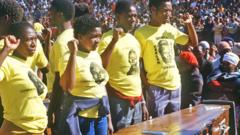
On a somber night in December 1987, Mzolisi Dyasi was awakened in his Eastern Cape prison cell to face an unimaginable horror—identifying the bodies of his slain loved ones and comrades in the anti-apartheid struggle. Dyasi's heartache and memories of physical and psychological torture remain vivid even forty years later, overshadowing his attempts to create a life worth living post-imprisonment.South Africa's transition to democracy in 1994, marked by the African National Congress (ANC) overthrowing the apartheid regime, was celebrated internationally as a symbol of hope. Aimed at achieving justice, the Truth and Reconciliation Commission (TRC) sought to document apartheid's atrocities while a reparations fund was established to compensate victims. However, many individuals like Dyasi, who received a one-time payment of 30,000 rand (approximately $3,900), express deep dissatisfaction: it barely scratches the surface of their needs, concerning both health care and socioeconomic opportunities.Professor Tshepo Madlingozi, a member of South Africa's Human Rights Commission, articulates the continuing pain of apartheid's legacy. Despite substantial progress since 1994, he notes that many young South Africans remain locked in cycles of poverty, struggling to inherit the promised benefits of freedom. A staggering $110 million lies in the reparations fund, stalled and shrouded in silence regarding its intended use.Legal advocates, including Howard Varney, labor tirelessly for the recognition of victims' rights and reparations. Many, like Brian Mphahlele, whose life was marred by the trauma of imprisonment, share bitter accounts of the inadequacy of financial reparations. Limitations imposed on former activists prevent grounds for stable lives, with many resorting to soup kitchens for sustenance.While the nation has gained recognition for its strides in racial reconciliation, figures like Professor Madlingozi argue it may inadvertently suggest a dangerous precedent—perpetrators of crimes against humanity can evade real accountability. Dyasi captures the sentiment of many who fought valiantly against apartheid and survived: they do not seek riches but deserve a government that prioritizes their health and sustenance—the most basic rights every citizen should enjoy.As the nation stands at a crossroads, the lingering sentiment of betrayal weighs heavily on those who sacrificed so much for a cause they believed would engender equality and opportunity. The cries for justice, compensation, and acknowledgment serve as reminders that healing from deep historical wounds is ongoing and requires active participation from the current administration.


