In brief
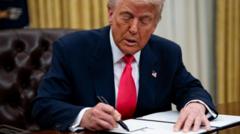
In a move that has sparked controversy, President Trump signed an executive order directing the dismantling of the U.S. Department of Education. While the department's closure would require congressional approval, the order paves the way for significant cuts to its funding and staff. Critics warn that this could jeopardize vital educational programs necessary for low-income students.
The executive order signed by President Trump initiates the long-anticipated dismantling of the U.S. Department of Education, a directive that resonated with his conservative base during the 2024 campaign. Trump declared, “We're going to shut it down as quickly as possible,” asserting that the department has failed to deliver positive outcomes in American education.Despite his intentions, completely closing the department would necessitate congressional approval, which seems unlikely given the current political landscape. Already, legal challenges are emerging from those concerned about potential harm to educational funding and access as the administration plans sweeping staff reductions and program cuts. Trump noted that the U.S. spends disproportionately on education while lagging in student success, leading to his calls for reform.The executive order mandates new Secretary Linda McMahon to facilitate the closure process while ensuring that essential services to students remain intact. However, the broad criteria for "necessary steps" raises questions about the safeguarding of vulnerable student populations. Established in 1979, the Department of Education administers critical programs for public schools and student loans, which directly impact millions of Americans.Critics, including the American Federation of Teachers, have slammed the notion of dismantling the department as a politically motivated agenda that disregards the needs of economically disadvantaged students, particularly amidst accusations of “woke” ideology in educational policy. With approximately 4,400 employees, the Education Department operates on less than 2% of the federal budget, a fact that some proponents of its closure highlight as justification for their stance.As the Trump administration embarks on this contentious journey of educational reform, the ramifications for students, educators, and the broader landscape of American education remain to be seen. The potential for reduced support for essential services raises alarms about equity in access to education, emphasizing the need for vigilance in the face of these shifts.