In brief
Despite U.S. claims that Panama agreed to allow government vessels to transit the Panama Canal without fees, the Panama Canal Authority has insisted that no changes have been made to their toll structure. This dispute highlights the ongoing complexities of control and influence in the region.
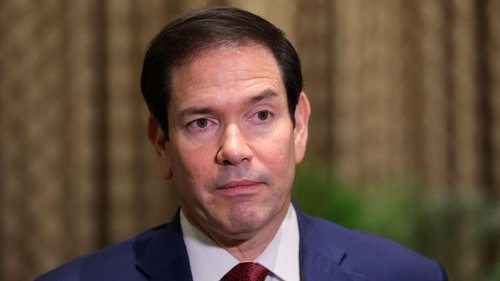
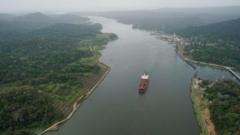
In a recent development, the Panama Canal Authority (ACP) firmly denied claims from the United States government regarding a supposed agreement that would allow U.S. vessels to pass through the Panama Canal without toll fees. The U.S. State Department made statements suggesting that this arrangement would yield significant savings for the American government, amounting to millions of dollars annually. However, the ACP emphasized that it retains the authority to establish tolls and fees for canal transit and stated, “we have not made any adjustments.” This clarification comes against a backdrop of heightened scrutiny over the Canal, particularly after U.S. Secretary of State Marco Rubio's visit to Panama. During his visit, he criticized what he claims to be an increase in China’s influence over the crucial maritime route, demanding "immediate changes" for Panama to reduce that influence.Despite U.S. assertions regarding canal control, Panama's President, José Raúl Mulino, reiterated the country's sovereignty over the waterway, which has been a focal point of international trade. The canal, stretching 51 miles, serves as a vital conduit between the Atlantic and Pacific Oceans, and approximately 52% of its traffic in 2024 consisted of vessels linked to the U.S.Additionally, the ACP communicated its willingness to enhance collaboration with the U.S. Navy to improve transit priorities for American vessels. Nonetheless, President Mulino rejected claims from former President Donald Trump regarding the Canal being "operated" by China and stood resolutely against any suggestion of diminishing Panamanian control.The timeline of control of the Panama Canal is steeped in historical context. Built by the U.S. in the early 20th century, it was the subject of contention and nationalist sentiments from Panama, culminating in a 1977 treaty signed by President Jimmy Carter that began the transition of sovereignty to Panama, a move that Trump later branded as a mistake.This ongoing diplomatic tension around the Panama Canal underscores not only issues of territorial integrity and economic interests but also the broader dynamics of international influence as nations vie for power in critical geographic locales.