In brief
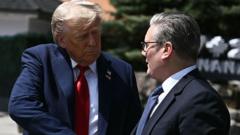
In a significant move for UK-US trade relations, President Trump has signed an executive order that lowers tariffs on British cars imported into the United States. This order activates portions of a tariff agreement reached last month during ongoing discussions, which Prime Minister Sir Keir Starmer hailed as a pivotal step for both nations. However, the arrangement maintains a 10% levy on most UK goods while failing to address the anticipated removal of steel tariffs.
The announcement was made during the G7 summit, following weeks of negotiations aimed at shielding UK businesses, particularly car manufacturers and steel exporters, from the financial implications of Trump's tariffs. Under the new agreement, the US will allow entry for up to 100,000 cars at a reduced tariff of 10%, a significant drop from the previous 25% import tax. Details for a similar steel and aluminum system were pledged, though specifics were left vague. Starmer expressed optimism, describing the deal as a symbol of strength in US-UK relations and a move towards bolstering confidence among UK manufacturers looking to resume exports. Meanwhile, UK's Business and Trade Secretary, Jonathan Reynolds, emphasized that the governments were working swiftly to ease the economic burden on UK businesses, particularly in light of the changes to tariffs on US beef imports. While there’s been talk of extensive trade agreements, the current arrangement lacks the comprehensive scope that has been historically discussed, leading to critiques labeling the deal as limited. Despite mixed reactions, Trump praised Starmer’s efforts to reach the agreement, setting a tone of continued collaboration between the allies.