
In brief
As President Trump’s tariffs provoke retaliation from China, stock markets worldwide face turmoil, with major indexes recording steep declines that raise concerns over possible economic repercussions.
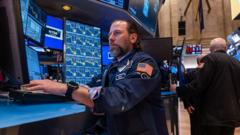
As the trade dispute between the Trump administration and China escalates, global stock markets found themselves engulfed in chaos on Friday. China's retaliation to Trump's proposed tariffs effectively sent all three major U.S. stock indexes spiraling downwards by more than 5%, with the S&P 500 witnessing a staggering drop of nearly 6%. This marked the worst week for the U.S. stock market in three years, with analysts citing the potential for a prolonged trade war that could harm the international economy.The turmoil wasn't confined to the U.S.; the UK's FTSE 100 also plunged almost 5%, its steepest decline in five years. Asian markets followed suit, with exchanges in Germany and France experiencing similar downturns. Despite the financial upheaval, President Trump assured his supporters that the U.S. labor market remained robust, urging them to "hang tough" amid the storm.The global stock market has reportedly lost trillions since Trump announced sweeping 10% import taxes on goods from various countries, including vital trade partners like China and the European Union. Analysts termed this move one of the largest tax increases in the U.S. since 1968, projecting potential declines in trade that might push numerous countries into recession.In a direct response to the tariffs, China imposed 34% import taxes on U.S. goods, limited the export of essential minerals, and included U.S. firms on its trade blacklist, condemning Trump's actions as "bullying." While some countries are still hoping for negotiations, EU Trade Commissioner Maroš Šefčovič expressed a need for a "fresh approach" after his frank discussions with U.S. officials.The outcry from businesses in America was immediate. Major companies, particularly those reliant on Asian supply chains, such as Apple and Nike, faced significant drops in stock value, while firms outside the direct impact of the tariffs also felt the strain, highlighting broader market anxieties.Market experts, such as Mike Dickson from Horizon Investments, warned that understanding the full impact of Trump's tariffs would take weeks and recognized a sour mood among investors. JP Morgan even raised the likelihood of a global economic recession in 2023 to 60%, as the shockwaves from tariffs threaten to reduce U.S. growth by 2 percentage points.Despite some bearish tones, a few investors maintained a perspective on the market dynamics, arguing that corrections often occur rapidly following significant growth periods. However, fear of protracted trade tensions loomed large, with White House allies voicing concerns about the long-term ramifications of Trump's aggressive tariff strategy.In addition to market segments feeling the pinch, ordinary Americans and businesses, including farmers worried about rising costs and exporters grappling with new taxes, expressed unease about the future. With the situation constantly evolving, farmers in Kansas and fishing businesses in the Falklands braced for the fallout, unsure of how these tariffs might reshape their industries in the near future.As the global economic landscape shifts, uncertainty prevails, leaving markets and represented sectors to navigate the challenges posed by confrontational trade policies in an interconnected world.

