In brief
In a strategic move, India has reduced import tariffs on motorcycles in anticipation of negotiations with the US, following President Trump's focus on trade imbalances.
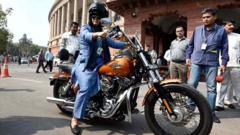
Amid ongoing geopolitical tensions, India has taken proactive steps to mitigate potential trade threats from the US, particularly from President Donald Trump, who has previously criticized India's high tariffs. In a recent decision, India slashed import duties on heavyweight motorcycles from 50% to 30%, while reducing tariffs on smaller bikes from 50% to 40%. This adjustment is aimed at facilitating the entry of American motorcycle giant Harley Davidson into the Indian market and potentially dissuading tariff impositions from the US.Trump's administration has adopted a combative stance towards global trade, recently highlighting tariffs as a tool for achieving "America First" objectives. Given the geopolitical climate, Indian officials are keenly aware of the implications of these trade negotiations. Ajay Srivastava, a prominent trade expert, warns that if Trump has acted aggressively against Canada and Mexico, India could also be at risk. In a recent conversation between Trump and Indian Prime Minister Narendra Modi, the US President pressured India to import more American arms and to correct the trade deficit, which currently favors India. Historical data reveals that India enjoys a trade surplus with the US, with bilateral trade figures surpassing $190 billion in 2023 alone. However, Trump's previous disparaging remarks about India being a "tariff king" continue to loom over discussions.Beyond motorcycles, India has also eliminated tariffs on certain other imports, such as satellite ground installations and various food products, aimed at bolstering trade relations with the US. The initiative reflects India's evolving trade landscape, as it has reversed a long-standing protectionist stance established in the 1970s, where high tariffs were common. Efforts to open the economy in the 1990s had seen tariffs reduced significantly, though recent policies under Modi's "Make in India" initiative have seen an uptick in protective measures.Experts suggest that while Trump's demands for increased American products could present challenges, India's strategic partnership with the US, particularly in countering Chinese influence, might help temper negotiations. Additionally, the rapport between Trump and Modi is seen as a potential asset moving forward.India faces a complex path as it navigates potential tariffs while striving to maintain a stable economic and diplomatic relationship with the United States, with upcoming meetings expected to clarify the direction of these trade talks.