In brief
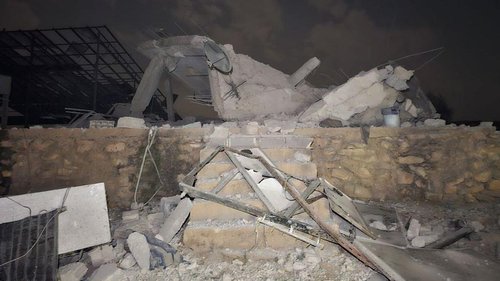
In the aftermath of Syria's civil war, many displaced families are eager to return home, only to find their neighborhoods destroyed and homes uninhabitable.
Lubna Labaad stood amidst the ruins of what was once her vibrant neighborhood in Qaboun, Damascus. With only one mosque remaining intact, the landscape told a story of loss; it bore the remnants of a brutal 13-year civil war, which left many families without homes or hope. As the new interim president declared that millions would return following the ousting of President Bashar al-Assad, the stark reality hit those like Labaad hard. “Forgive us, oh martyrs,” read a note on the mosque's wall, a haunting reminder of surrender and desperation. The Labaad family, though one of the fortunate few to find their home still standing, returned to find it stripped of essential belongings, rendering it nearly unlivable. Even as they reclaim their space, the journey home for millions of Syrians is fraught with uncertainty. The United Nations has identified one of the largest displacement crises in modern history, with over 13 million people uprooted, including six million who fled abroad and seven million still displaced within the country's borders. Families, once hopeful for a fresh start, now face the sobering challenge of rebuilding their lives from the ground up in a land riddled with destruction. The dream of returning home is overshadowed by the reality that many will return only to rubble, battling grief as they remember what once was — a community now lost to chaos and violence.