
In brief
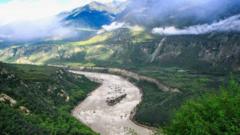
The recent approval by China for the construction of the Yarlung Tsangpo dam, touted to be the largest hydropower facility ever built, has ignited widespread concern among Tibetan communities, environmentalists, and human rights advocates. Lying on the lower reaches of the Yarlung Tsangpo river, this colossal project is expected to generate threefold the energy of the renowned Three Gorges Dam. However, as Chinese state media herald its benefits for local prosperity and climate goals, apprehensions loom over the potential displacement of Tibetan residents and environmental degradation downstream affecting both India and Bangladesh.
The ongoing issues surrounding this development echo a long history of tensions between Beijing and Tibet. Critics warn that the dam could irreversibly alter the region's rich ecosystems, which are home to diverse species and breathtaking landscapes. Protests against similar projects have already been met with repression; earlier this year, Tibetan voices protesting against another hydropower facility faced violence and mass arrests. Beijing asserted that community compensation measures had been implemented, though skepticism remains around the actual efficacy of these measures.Concerns extend beyond local impacts; experts fear that the dam could provide China with unprecedented control over a critical trans-border river, with implications for water security and resource availability in neighboring countries such as India. The Himalayan watershed serves as a lifeline for millions and any alterations by upstream projects like the Yarlung Tsangpo dam could lead to geopolitical tensions.Underlying the grand ambitions of hydropower advocacy are the dangers of constructing such massive infrastructure on unstable terrain, in one of the most seismically active regions on the planet. The risks associated with potential landslides and earthquakes cannot be underestimated, as experts warn this venture could lead to increased geological instability.The estimated cost of the project is staggering, projected to reach $127 billion, highlighting the scale of investment embedded within this ambitious blueprint for renewable energy generation. As China pursues its hydropower agenda, carrying implications for regional relations and indigenous rights, the path forward remains fraught with challenges.


