
In brief
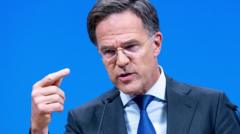
In a bid to align European defense budgets with U.S. demands, NATO Secretary General Mark Rutte is advocating for member countries to allocate 5% of their Gross Domestic Product (GDP) to defense, an increase from the current 2% target. This push comes as the NATO summit looms, echoing past tensions when former President Donald Trump chastised allies for not contributing enough to collective security. Rutte's proposal aims to prevent a repeat of those fraught discussions and seems to be aimed at appeasing the transactional nature of Trump's demands.
To ease the transition for many European nations, Rutte's plan will allow for nations to account for 3.5% of GDP through core defense expenditures, while the remaining 1.5% could be derived from "defense-related expenditure," a term that encompasses various costs, including infrastructure. Although the U.S. government is reportedly on board with this increased target, significant concerns remain regarding the feasibility of meeting such commitments.At this stage, there are no defined timelines for adhering to these new guidelines, likely stretching over a decade. The hope is that nations will produce annual plans that gradually increase spending instead of waiting until the last moment to ramp up expenditures. Rutte's upcoming meeting with UK Prime Minister Sir Keir Starmer will further shape this dialogue, as the current UK defense expenditure aims for a more modest increase to 2.5% by 2027.Various nations, including France, Germany, and Eastern European countries, have allegedly signified their commitment to meet the proposed 5% target, albeit some remain hesitant. The U.S. Defense Secretary expressed optimism that allies would eventually meet these ambitious goals, emphasizing the importance of collective security and burden-sharing within the alliance. As discussions unfold, the palpable pressure mounts for European nations to respond to this proposed shift in defense strategy that has far-reaching implications for both NATO's future and transatlantic relations.


