In brief
Traffic statistics indicate a sharp decline in New York City following the implementation of a $9 congestion charge aimed at easing urban congestion and funding public transport.
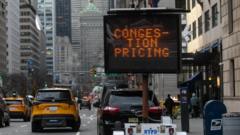
Traffic in New York City has experienced a notable decline after the initiation of a congestion charge on January 5, 2023, with transport officials reporting that 273,000 fewer vehicles entered the city's central business district from Monday to Friday. This shift has resulted in a significant 7.5% reduction in traffic levels compared to previous January weekdays without the charge. As the first congestion fee scheme in the United States, New York City's program costs drivers up to $9 per day, with tiered rates for different vehicle types. The congestion zone encompasses a region south of Central Park, home to landmark sites including the Empire State Building and Times Square, along with the bustling financial district surrounding Wall Street. Janno Lieber, head of the Metropolitan Transportation Authority (MTA), emphasized the positive impact of the initiative, stating, "The early data backs up what New Yorkers have been telling us all week – traffic is down, the streets feel safer, and buses are moving faster." Notably, motorist travel times have improved, and public buses are experiencing quicker transit, particularly during morning rush hours, as highlighted by MTA updates on social media.The program is designed not just to relieve the chronic traffic congestion that plagues New York City but also to generate significant revenue for enhancing the public transportation network. Under the scheme, most drivers entering the congestion zone during peak hours face a $9 charge, while off-peak rates drop to $2.25. Smaller trucks and non-commuter buses incur a charge of $14.40, while larger trucks and tourist buses are levied a fee of $21.60.Despite the benefits noted, the congestion charge has attracted considerable opposition, most notably from President-elect Donald Trump, a lifelong New Yorker, who has pledged to revoke the measure upon taking office. Last year, New York City reclaimed its title as the world's most congested urban area for the second consecutive year, as reported by INRIX, a prominent traffic data analysis firm.