In brief
Despite initial hopes for inclusion, the Vatican has excluded critical discussions about women's ordination during its latest Synod, prompting calls for greater representation and recognition of women within the Catholic Church.
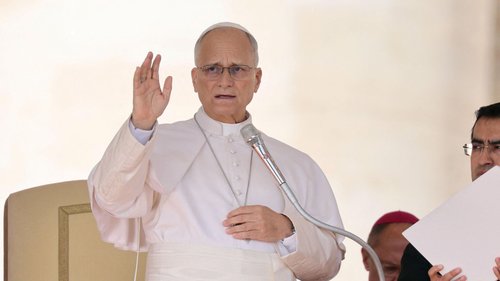
Amidst swirling anticipation for the 16th General Assembly of the Synod of Bishops, a significant meeting convened by Pope Francis this month in Vatican City, disappointment shadows the inclusion of women's issues. Although Pope Francis previously extended voting rights to women for this assembly, which many viewed as a hopeful indication of progress, the church has since made it clear that contentious topics—specifically the ordination of women—will not be addressed.“We’re not a minority; we’re more than half the church,” remarked Pat Brown from the national committee of Catholic Women’s Ordination in Britain, expressing frustration at the church's failure to advocate for gender equality. Instead of acting as a champion for underrepresented voices, the church appears to reinforce existing power structures, a stance that has drawn ire from those seeking equality.The Vatican assembly, which has been years in the making, was heralded as a historic gathering alongside the impact of the Second Vatican Council from the 1960s, which had modernized the church. Global Catholics were invited to share their views beforehand, with the promotion of women emerging as a pivotal concern. Nonetheless, critics emphasize that despite women's significant roles in the church's operations—often outnumbering men in Catholic education and healthcare—this influence does not translate into meaningful decision-making power or representation where it matters most. As debates continue to unfold globally around women's rights and representation, the exclusion of such pivotal discussions from the Vatican Synod serves as a stark reminder of the challenges that persist within this longstanding institution.