In brief
Elon Musk's appointment to lead Trump's new Department of Government Efficiency has transformed critical federal agencies, notably USAID, igniting controversy over his methods and potential conflict with established governance protocols.
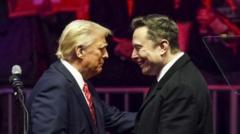
Elon Musk's recent rise as a pivotal figure in Donald Trump's second administration has stirred excitement and anxiety within political and tech circles alike. Appointed to head the newly formed Department of Government Efficiency (Doge), Musk has swiftly enacted changes that have drastically affected the functioning of key federal agencies, culminating in the near-complete shutdown of USAID, the agency in charge of international development.Musk's journey to this prominent role is marked by a rapid shift from a traditionally Democratic stance to becoming a fervent supporter of Trump. After previously endorsing Florida Governor Ron DeSantis for the Republican nomination, Musk's turn toward the Trump campaign culminated in substantial financial contributions of $288 million, solidifying his status as a critical advisor. His influence was visually signified during the inauguration, as he occupied a prominent spot just behind the president.Within weeks of assuming his new role, Musk has employed aggressive strategies reminiscent of his corporate methods: streamlining operations, dismantling bureaucratic red tape, and directly confronting established protocols, much to the dismay of civil servants. His management approach—characterized as ruthless and single-minded—has drawn comparisons to corporate environments where dismissals occur without grievance, such as the infamous incident where an employee was fired for an overflowing trash can at Tesla.As tensions mount, the impact of Musk's leadership on USAID has been particularly pronounced. The agency, once a key player in global development, has come to a standstill, with Musk himself labeling it a "criminal organization." This critical stance has paralleled swift administrative actions including the suspension of senior officials and abrupt operational changes leaving employees bewildered and anxious about their futures.While Musk's sweeping reforms have drawn skepticism about their legality, given Congress’s delineation of USAID's independence, influential Republicans appear supportive of restructuring efforts that align with national security imperatives. There remains uncertainty, however, about Musk's authority as a private citizen to instigate such sweeping changes within a federal agency.As the weeks unfold, questions linger regarding whether Musk will extend his influence too far beyond the bounds deemed acceptable by the president or Congress. “Elon always wants to take over,” lamented a former colleague, adding that this inclination may soon pit him against Trump himself. The president has voiced his appreciation of Musk's input but has clarified that ultimate decision-making will rest with him, indicating a potential clash if Musk’s ambitions overreach.With the entwined fates of Musk’s corporate expertise and government inefficiency reform hanging in the balance, the coming days will likely determine whether a collaboration or confrontation unfolds between these notable figures, reshaping the landscape of governance as they see fit.