
In brief
The newly proposed 30-day ceasefire by the US aims to alleviate tensions in Ukraine while restoring military aid and intelligence sharing, but concerns persist about its sustainability and implications.
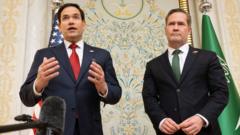
In the early hours of the day, as a US government plane departed from Jeddah, the atmosphere among President Trump’s aides was one of triumph. Following intense negotiations, Secretary of State Marco Rubio had successfully presented a proposal for a 30-day ceasefire to address the escalating conflict in Ukraine. This ceasefire, described as “immediate,” aims to provide a brief pause in hostilities, with both sides required to engage in discussions afterward.The deal restores US military support to Ukraine, following a period of tension after President Trump had expressed frustration towards President Volodymyr Zelensky during a recent Oval Office meeting. The new agreement reflects a significant shift in US foreign policy, emphasizing a commitment to achieving peace in the region. However, it raises questions about the efficacy of the ceasefire, especially as it places the onus of compliance on Russia, which, with its history of aggression, may not readily accept such terms.The ceasefire proposal is concise, comprising only eight paragraphs that outline key points. The central tenet — to halt all military actions immediately — resonates with President Trump’s urgent desire for peace. However, critics worry that such a hastily arranged ceasefire may unduly benefit Russia, allowing it to solidify its military positions rather than fostering genuine negotiations for lasting solutions.An important aspect of the agreement allows for resumed US intelligence sharing and military supplies to Ukraine, estimated at $2 billion monthly. This move is integral to bolstering Ukrainian defenses, particularly in light of previous suspension due to perceived lack of commitment from Zelensky to Trump’s approach. Despite the renewed military aid, the proposal remains ambiguous on security guarantees for Ukraine. There is uncertainty regarding negotiations with Russia and whether any agreements reached would effectively address Ukrainian concerns about territorial integrity and future security threats. While Trump insists that Russia is in a constrained position and has "no choice," Zelensky’s previous experiences underscore the skepticism surrounding Moscow's compliance.Additionally, a proposed minerals deal aimed at revamping Ukraine’s economic prospects and potentially deterring future Russian aggression was included in the agreement but had faltered previously. Both nations’ leaders are now tasked with finalizing arrangements around Ukraine’s mineral resources and strategic partnerships.In a notable gesture, the Ukrainian delegation expressed their gratitude towards Trump, indicating a shift in dynamics following previous tensions. This acknowledgment has stirred concerns and commentary about the fluctuating nature of US-Ukraine relations and the overarching impact of the Trump administration's approach to diplomacy in the region.As negotiations continue, the new ceasefire plan exemplifies the complexities of international diplomacy and the challenges of forging a reliable path towards lasting peace in Ukraine, amid a tumultuous backdrop of global power dynamics and historical grievances.



