
In brief
Amidst a backdrop of ongoing debates surrounding the legacy of slavery, Commonwealth leaders have united to propose a meaningful dialogue on reparations for the transatlantic slave trade, despite the UK's firm opposition. The recent summit in Samoa highlighted contrasting positions but opened avenues for future discussions.
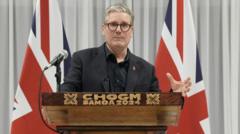
Commonwealth leaders are urging for an open dialogue on reparations related to the transatlantic slave trade, igniting a contentious issue as the UK resists any commitments to financial compensation. During a heated two-day summit in Samoa, a collective statement from 56 governments, including UK Prime Minister Sir Keir Starmer, recognized the pressing need for a "meaningful, truthful, and respectful conversation" regarding reparatory justice for the "abhorrent" historical injustices.While no direct talks about financial reparations occurred, Prime Minister Starmer clearly stated that the UK would not engage in reparations payments. He described the reparations discussion as a minor aspect of the summit, overshadowed by larger themes such as resilience to climate change, emphasizing that "none of the discussions have been about money." The UK government has faced intensifying demands for an official apology and financial reparations for its historical involvement in the slave trade.Despite this firm stance, Starmer acknowledged future opportunities for discussions on reparations at the upcoming UK-Caribbean Forum scheduled to take place in London next March. Frederick Mitchell, the Foreign Minister of the Bahamas, expressed hope that leaders could produce a "comprehensive report" at this forum, envisioning potential financial reparations for Caribbean nations in the future.The topic of reparations aims to remain on the Commonwealth agenda, especially for the next summit in 2025. The discourse surrounding reparations is expected to evolve as the Commonwealth seeks to grapple with its colonial past while addressing contemporary issues like trade and security.Incoming Commonwealth Secretary-General Shirley Ayorkor Botchwey, currently Ghana's Foreign Minister, affirmed her commitment to addressing reparative justice, stating, "work indeed lies ahead." Such coordinated efforts from Commonwealth leaders signal a willingness to confront historical injustices, despite existing divisions over the specifics of reparative measures. As the conversation progresses, many will be watching closely for how reparations may manifest, whether through financial compensation, formal apologies, or comprehensive educational initiatives.
