In brief
Amid declining domestic wine consumption and shifting consumer habits, French winemakers are turning their attention to alcohol-free alternatives. As younger generations seek healthier lifestyles, the wine industry is adapting through innovative distillation methods, opening opportunities for inclusivity and cultural revival in wine traditions.
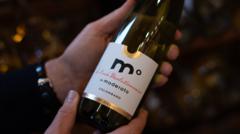
In the heart of Bordeaux, a quiet revolution is unfolding in the traditionally steadfast wine industry: alcohol-free wine has arrived. Once unthinkable, the transformation towards non-alcoholic alternatives is gaining traction among wine producers, reflecting changing consumer habits and the need for innovation amid economic challenges.Prominent Bordeaux oenologist Frédéric Brochet is at the forefront of this shift, championing the creation of the Moderato range of alcohol-free wines. "When we began this journey, the results were unsatisfactory," he noted, "but advancements in technology mean we are now approaching our target of producing quality non-alcoholic wines." Today's offerings are crafted through advanced methods like low-temperature vacuum distillation and aroma “capturing,” allowing these beverages to reclaim their designation as wine.The recent launch of Bordeaux's first cave dedicated exclusively to no-alcohol wines illustrates this burgeoning market. Alexandre Kettaneh, owner of Les Belles Grappes, has witnessed an influx of traditional vintners eager to learn about producing non-alcoholic wines. "It's clear there is a demand," he remarked, as younger consumers increasingly opt for healthier drinking options.The wine industry, however, faces significant challenges. Declining domestic sales, an oversaturated market, and changing international demand have forced many producers to reevaluate their strategies. This is further compounded by rising health consciousness among the youth. In France, 10% of beer sales now consist of alcohol-free options, and the trend continues to grow.Among the estates adapting to this change is Clos De Bouard. Owner Coralie de Bouard faced backlash from her family and industry peers when she introduced non-alcoholic wines. "Initially, my decision was seen as a betrayal," she recalled, “but the reality is we have survived difficult times by moving into this new market.”With the encroachment of alcohol-free varieties, there are strides towards inclusivity for non-drinkers. Wine culture, once deemed exclusive, is being redefined as more individuals embrace the rituals associated with wine tasting, regardless of alcohol content. This shift not only allows social interaction without alcohol but also seeks to revive a culture of camaraderie and sharing experiences over wine.Oenologist Brochet encapsulates the transformative spirit of the current situation, pointing out that innovation has historically driven the wine industry forward. With each evolution, from barrels to corks, the idea of ever-receding tradition is refuted. As he poignantly notes, "Tradition is simply a successful innovation." Through renewed focus on alcohol-free alternatives, French winemakers are not just adapting to survive; they are paving the way for a revolution that may safeguard the cultural and agricultural heritage linked to their vineyards.